Follow Us on Google
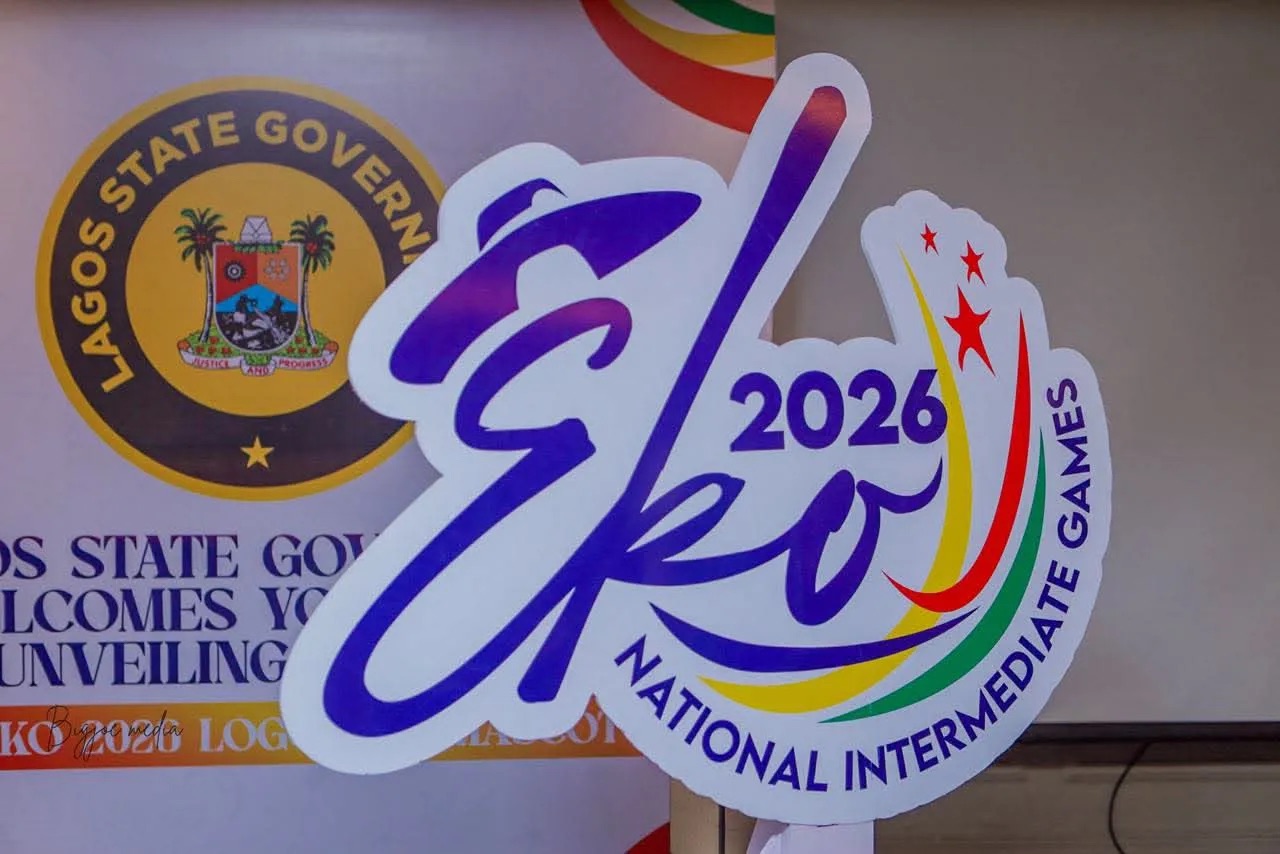
Organisers of the maiden National Intermediate Games, tagged Eko 2026, have unveiled plans to deploy the National Identity Management System (NIMS) to verify the ages of competing athletes, as the Local Organising Committee (LOC) also moves to strengthen its partnership with the media ahead of the event.
The Games, scheduled to hold in Lagos from October 1 to 15, will feature more than 15,000 young athletes aged 15 to 18, competing in 28 sports across 10 venues across the state.
Speaking on preparations for the tournament, LOC Co-chair Lekan Fatodu said technology would be central to guaranteeing that only eligible athletes take part in the competition.
According to Fatodu, the Games are designed to bridge the gap between the Youth Games and the National Sports Festival, and hosting the event presents an opportunity to set new standards in the fight against age falsification. He noted that over-aged athletes have in the past competed against younger, genuine talents, robbing them of the chance to shine, and said the deployment of NIMS marks a fresh attempt to address the problem.
NIMS will be used to cross-check athletes’ biodata against national records, a process organisers say will help eliminate the falsification of ages that has long plagued youth sports competitions in the country. The LOC described the move as part of Lagos State’s broader commitment to transparency and credibility in sports administration, adding that the initiative would help unearth genuine talents while setting a new benchmark for youth competitions in Nigeria.
At a media parley held in Lagos, Gbenga Omotoso, Chairman of the Games’ Media and Publicity Sub-Committee and Lagos State Commissioner for Information and Strategy, stressed the critical role journalists, editors and broadcasters would play in the success of Eko 2026.
Other News
Omotoso acknowledged the influence of the media in projecting Lagos on the global stage, crediting past coverage with helping to cement the city’s reputation as a sporting hub in Africa. He described the press as key allies in the LOC’s efforts and pledged that the committee would remain open to journalists for clarifications throughout the Games.
The Commissioner invited the media to hold organisers accountable, saying the LOC welcomed constructive criticism and was prepared to act on recommendations where necessary.
Omotoso also pointed to Lagos’ history of hosting major sporting events, referencing the maiden National Sports Festival in 1973 and the 2012 edition, widely regarded as one of the best-organised in the competition’s history. He expressed confidence that Eko 2026 would build on that legacy and align with global standards for youth sports.
Taken together, the LOC’s rollout of NIMS and its outreach to the media reflect a two-pronged strategy for the Games: safeguarding competitive integrity through technology, and shaping public trust through transparency and collaboration with the press.
Organisers say the approach positions Eko 2026 as a trailblazer, combining sports development with digital governance, while relying on media partnership to tell the story of the Games and hold the process accountable.
The maiden National Intermediate Games kicks off in Lagos on October 1 and runs through October 15.