Follow Us on Google
From Shafa’atu Suleiman, Sokoto
The Kukah Centre has called for the harmonisation of community security initiatives operating across Sokoto State, warning that the absence of a coordinated legal and operational framework could undermine the peace efforts in the state.
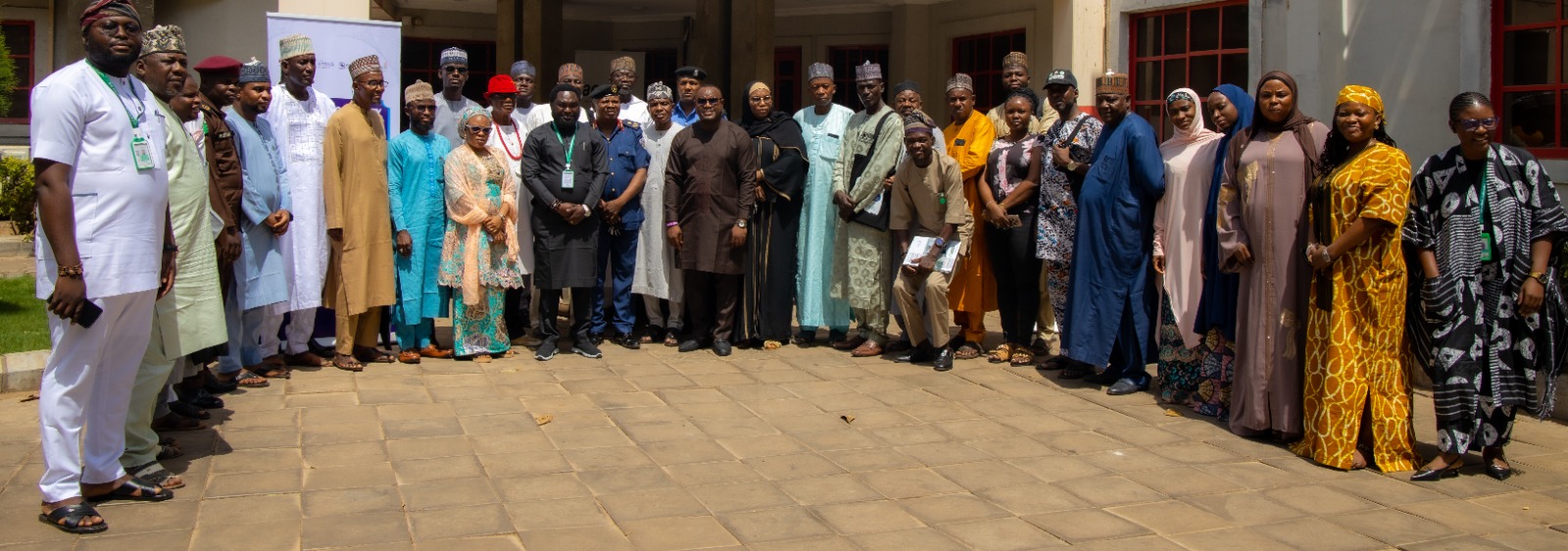
The centre made the call during the dissemination of its research findings on ‘The Polarization of Community Security Initiatives Implementation For Peace In Sokoto State’ organised in collaboration with the Centre for Peace Studies, Usmanu Danfodiyo University Sokoto.
While speaking, the of the House of Representatives member representing Sabon Birni South constituency Sa’idu Bello warned that operational excesses by some local security outfits could create fresh security challenges if left unchecked.
The lawmaker disclosed that several complaints involving harassment, intimidation and abuse of power by some community security groups had previously been reported to security agencies.
According to him, some outfits had gone beyond their constitutional responsibilities by acting like conventional law enforcement agencies without proper legal authority, institutional supervision or professional training.
He advocated stronger regulation, structured training and inclusive representation within the community security architecture to improve professionalism, accountability and public trust.
In his presentation, the Coordinator of the Centre for Peace Studies, Professor Abdulkadir Abdulkadir, said that the research was designed to support on-going government efforts aimed at strengthening security governance and peace-building mechanisms in the state.
Other News
He said that the findings from the study revealed gaps in coordination, accountability and legal backing despite the contributions of community-based security initiatives to local security responses.
He called on the Sokoto State House of Assembly to enact legislation capable of harmonising the operations of the various community security outfits under a unified legal framework.
Professor Abdulkadir further stressed the need for stronger collaboration between community security initiatives and conventional security agencies including the police and the Nigeria Security and Civil Defence Corps.
Also speaking, the Evidence and Research Lead under the SPRiNG programme, Ephraim Emah, said the initiative aligns with broader efforts aimed at strengthening resilience and reducing conflict in vulnerable communities ahead of the 2027 elections.
According to him, the research was designed to examine how local security institutions contribute to conflict management, collaboration and early response mechanisms within communities.
Project Manager at the Kukah Centre, Bamber Terseer, said one of the major findings of the research was the urgent need to place all community-based security structures under a centralised command system for effective coordination and accountability.
Abdullahi Ibrahim, a participant, stressed the need for stronger synergy among government institutions, traditional rulers, religious leaders, security agencies, civil society organisations and the media in tackling insecurity and strengthening public confidence in community policing initiatives.
He described the Kukah Centre’s intervention as a collaborative effort aimed at supporting government security strategies, strengthening local capacities and promoting sustainable peace across communities.