Follow Us on Google
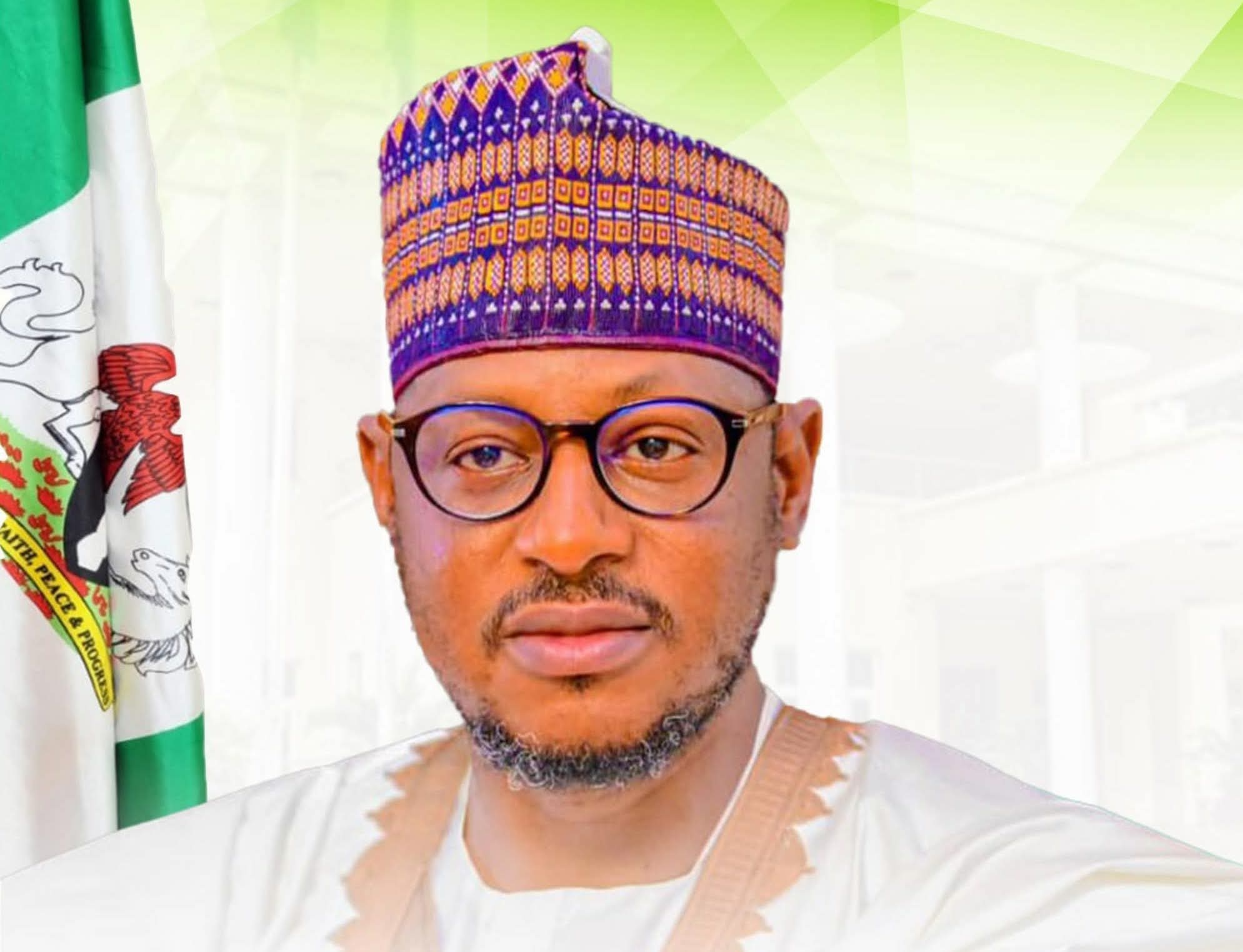
By Jeff Ukachukwu
There is a profound difference between governments that build roads and governments that understand what roads build. The former sees asphalt, contracts, and commissioning ceremonies. The latter sees communities connected, markets expanded, journeys shortened, and citizens brought closer to opportunity. In Katsina State, Governor Dikko Umaru Radda’s infrastructure programme increasingly reflects this deeper philosophy of governance.
At a stage in the political cycle when many administrations become consumed by re-election calculations, the Radda government appears determined to make performance its strongest political argument. The recent flag-off of 20 township roads covering 10.7 kilometres in Malumfashi Local Government Area, complemented by solar-powered street lighting and valued at ₦10.2 billion, is therefore more than another public works project. It is a clear statement about the purpose, reach, and urgency of development.
One of the most persistent weaknesses of public policy in Nigeria is the concentration of visible infrastructure in state capitals and politically strategic locations. This often creates islands of development surrounded by communities that remain disconnected from growth. Katsina’s decision to extend urban renewal to township communities challenges that pattern and affirms an important democratic principle: citizens should not be denied modern infrastructure simply because of where they live.
The true significance of the Malumfashi project lies not merely in the kilometres to be constructed, but in the lives those roads will influence. A good road lowers transportation costs, reduces travel time, improves emergency response, and expands access to schools, healthcare facilities, and markets.
For farmers, it may determine whether produce reaches consumers in good condition or perishes in transit. For small businesses, it broadens access to customers and suppliers. For investors, it signals that the environment is prepared for enterprise.
The solar-powered street lighting adds another dimension. Lighting strengthens security, encourages social activity, and allows commerce to continue beyond sunset. When residents can move more safely, and businesses remain open longer, infrastructure begins to produce economic and social returns far beyond its physical appearance. Roads, in this sense, are not merely government expenditure; they are productive assets capable of unlocking long-term value.
Other News
Perhaps the most important lesson emerging from Katsina is that development must be continuous. Infrastructure should not become a seasonal ritual revived whenever elections approach. It requires long-term planning, disciplined implementation, and sustained investment. By accelerating delivery rather than slowing down as political activity intensifies, the administration is advancing a powerful proposition: the most persuasive campaign message is consistent performance.
Yet ambition must always be matched by accountability. The real test of these projects will not come during flag-off ceremonies or at commissioning, but years after the political applause has faded. Were the roads built to specification? Were timelines respected? Was public money prudently managed? Are maintenance structures in place? These questions matter because Nigeria’s development history is filled with projects that deteriorated shortly after completion.
The administration’s emphasis on strict adherence to specifications, timelines and community ownership is therefore crucial. Infrastructure only becomes a legacy when it is durable. Contractors must be held accountable, supervising agencies must enforce professional standards, and communities must recognise public assets as shared investments rather than government property without local responsibility.
Katsina’s infrastructure drive becomes even more significant when situated within the wider Building Your Future agenda, which includes investments in education, healthcare, agriculture, and youth empowerment. None of these sectors can achieve their full potential without physical connections between people, institutions, services, and markets. A school is less useful when pupils cannot reach it safely. A hospital cannot serve effectively when patients are cut off by poor roads. Agricultural productivity means little when farmers cannot move their produce efficiently.
Ultimately, leadership is revealed through priorities. Roads will not solve every developmental challenge, but they often determine whether solutions in other sectors can reach the people who need them. If Katsina sustains this momentum with quality, equity, prudent monetary management and effective maintenance, its road revolution may become more than a record of kilometres constructed.
It may stand as evidence that infrastructure, when guided by a people-centred philosophy, can carry far more than vehicles and goods. It can carry security, enterprise, inclusion, and hope. That is the larger promise of Katsina’s road revolution—and the standard by which it should be judged.
• Dr Ukachukwu is a public affairs analyst.