Follow Us on Google
From Sola Ojo, Abuja
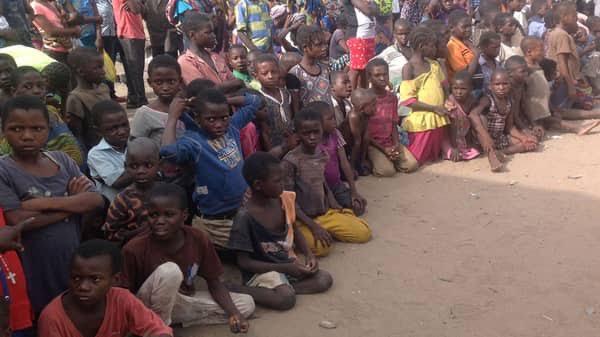
Education stakeholders in Kaduna State have called for urgent, coordinated reforms to address persistent challenges in access, quality and equity, as new data show that over 700,000 children of basic school age remain out of school across the state. The call was made at a forum organised to mark the 2026 International Day of Education by the Kaduna Basic Education Accountability Mechanism (KADBEAM) and the Kaduna Local Governments Accountability Mechanism (KAD-LGAM), with support from the Partnership for Learning for All (PLANE) through the Beta Nigeria Campaign.
The meeting, which brought together government officials, civil society organisations, development partners, parents, Persons with Disabilities (PWDs), pupils and the media, focused on strengthening accountability and youth participation in education governance.
Speaking at the event, the Director of Public Schools in the Kaduna State Ministry of Education, Mukthar Maude, said education must be treated as a collective responsibility and not left to government alone.
Maude said communities, families and development partners must play active roles in protecting education as a fundamental right and ensuring that policies respond to current realities. He added that young people should be involved in shaping education systems, noting that youth participation was critical to building inclusive and future-ready schools.
Other News
Also speaking, Hauwa’u Muhammad of the Kaduna State Universal Basic Education Board (KADSUBEB) said collaboration across institutions was improving learning outcomes, but warned that sustained partnerships were needed to support teachers and learners effectively. She said leadership within the basic education system was working to integrate new ideas and innovations to strengthen service delivery. The Director-General of the Kaduna State Schools Quality Assurance Authority (KSSQAA), Prof Abubakar Zaria, acknowledged that while some progress had been recorded, major gaps remained in quality assurance and learning outcomes.
Zaria, represented by Mercy Kude, said the authority was committed to improving standards in both public and private schools through continuous monitoring and support for educators.
Presenting data on the state of education in Kaduna, Alheri Waje, Lead of the Education Cohort of KAD-LGAM, said more than 768, 000 children of basic school age were currently out of school, particularly in rural and insecure communities.
Waje said poor learning outcomes, teacher shortages, inadequate infrastructure and lack of water and sanitation facilities were undermining attendance, retention and learner dignity.