Follow Us on Google
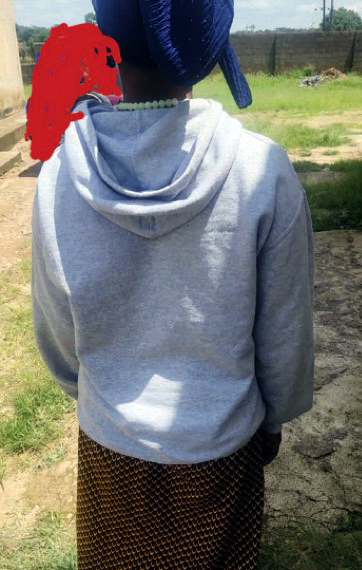
• Female residents live with fear of abduction, sexual violence, pregnancy in captivity
• Communities beg political leaders to rescue abducted members
From Sola Ojo, Abuja
For some women living in the troubled rural communities of Kaduna State, the fear of kidnapping has taken a disturbing new dimension.

On Tuesday, September 1, 2026, five people were reportedly abducted in Mararaban Kajuru, Kufana ward, Kajuru Local Government Area of the state.
So, apart from the terror of being taken away from their homes, some women now worry about what could happen to their bodies if they fall into the hands of kidnappers, including sexual assault, unwanted pregnancy and the possibility of returning home to rejection.
In Kajuru, affected communities include Ungwan Barde, Ungwan Galadima, Maro Bauda, Kampany, and Dantaro, all in Maro Ward; Janwuriya in Buda Ward; Kallah and Gefe in Kallah Ward; Kuturah in Kufana Ward; and Mokoro Waziri in Idon Ward, among others.
In Kachia, communities like Ariko, Awan, Ankuwa, Mai-Ido, Gabachuwa and Akwando still have their people in captivity.
The names of the affected communities in Kajuru and Kachia were supplied by the respective sources in their accounts of the continuing abduction crisis. They declined to give figures.
Some families have been unable to secure the release of their relatives because they have not been able to meet the ransom demands of the kidnappers.
In some communities around Kasuwan Magani and Kufana, this fear is reportedly driving some women to seek family planning services like implants quietly.
For some reproductive-age women, the best is to relocate to some safe areas outside their immediate environment, while those staying put would get ready for any eventuality.
Kidnappers sometimes storm the villages just to kidnap young women, take them to the forest, and violate them sexually, only to free them a few days later without any demand for ransom.
To the women, there is no assurance that the kidnappers will not come again. The question is, when?
Reuben Buhari, a former spokesman to the late Kaduna State Governor, Sir Patrick Ibrahim Yakowa and now a community leader, confirmed that a female kidnapping survivor disclosed her fears, prompting him to seek confirmation from people around local clinics.
“A few days ago, I spoke to a female victim of kidnapping, and she told me something very shocking.
“I needed to confirm it, so I spoke to people around a few local clinics in Kasuwan Magani and Kufana, and they confirmed it,” Buhari said.
According to him, some women in rural communities are discreetly requesting family planning options because they fear that they could be abducted and sexually assaulted while in captivity.
The development offered a disturbing glimpse into how prolonged insecurity is changing the decisions women make about their bodies and families amidst campaigns against Sexual and Gender Based Violence (SGBV).
For these indigenous women, the fear is not merely about surviving captivity; it is also about what happens after captivity.
In recent developments, some female survivors of abduction reportedly return home carrying pregnancies resulting from sexual violence in captivity.
Unfortunately for some of them, instead of receiving compassion and support, some face suspicion, stigma, marital rejection and even abandonment.
“You know, it takes a husband who has been thoroughly educated on SGBV, in addition to his godly thought, to fully accept such a woman back home, let alone one carrying a bandit in her belly.
“And don’t forget that some of them were violated repeatedly right before their husbands while in captivity. In fact, some of the husbands were killed just to violate their wives. It is that terrible,” a community leader who spoke in confidence said.
Buhari, who is now a community mobiliser, said some women who were violated by kidnappers choose not to disclose the assault when they return because of the fear of losing their marriages.
He recalled the case of a young woman who spent six months in captivity and returned home pregnant.
“Her husband had reportedly remarried three months after she was abducted.
When she returned pregnant, complications reportedly prevented her from terminating the pregnancy.
“She subsequently gave birth to a baby girl, but the birth of the child did not bring the family back together,” Buhari shared.
According to him, her husband drove her out of their home. She later moved in with her brother, but was also asked to leave.
The woman, who had already endured months of captivity, sexual violence and pregnancy, was therefore confronted with another painful reality, which was rejection by the people she expected to provide her with protection.
While women struggle with the fear of what captivity could mean, families across the two local councils are living with another nightmare: waiting for relatives who remain in the hands of kidnappers several months after their ancestral homes were invaded.
Findings showed that incessant kidnappings in these communities have altered how families farm, travel, attend to their businesses and even how women and young girls think about their personal safety.
Some residents who spoke about the situation requested anonymity, citing fears over their security.
They appealed to political leaders and security agencies to go beyond issuing mere statements, intensify efforts to rescue those still being held captive and prevent further abductions, warning against allowing kidnapping to become normalised in the two local government areas.
Beyond Kajuru and Kachia, Birnin Gwari, Giwa and Chikun LGAs were also identified among areas experiencing pockets of security challenges.
The consequences of insecurity are also being felt within government institutions.
For example, in Igabi Local Government Secretariat in remote Tunruku, workers reportedly only spend brief periods at the office when they consider it unavoidable to report for duty.
According to the account provided by the sources who spoke in confidence, the secretariat can appear almost deserted on working days, indicating how insecurity is affecting not just private citizens but the delivery of public services.
Until the political leaders live up to their constitutional responsibility of protection of lives and property of Nigerians, the trauma of kidnapping may continue to extend far beyond the moment of abduction into marriages, unplanned pregnancies, families and the future of entire affected communities.