Follow Us on Google
From Adesuwa Tsan, Abuja
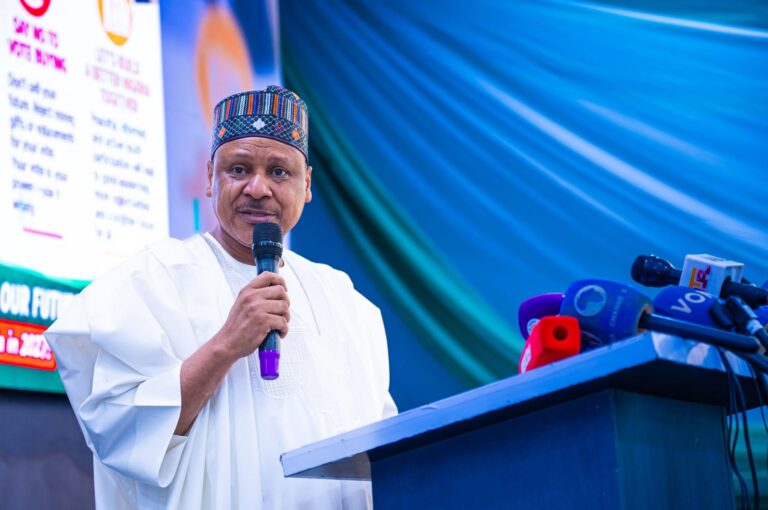
Nigeria’s Permanent Representative to the United Nations, Ambassador Jimoh Ibrahim, has called for greater transparency and accountability in how persons with disabilities are represented and included within the United Nations system.
He made the appeal while speaking at the 19th Session of the Conference of States Parties to the Convention on the Rights of Persons with Disabilities (CRPD), held at the UN Headquarters in New York.
The meeting brought together member states to review global progress on disability inclusion and discuss the next phase of implementation.
Ibrahim said that despite long-standing global commitments, persons with disabilities are still being left behind in many international systems, noting that out of about eight billion people in the world, an estimated 1.3 billion live with some form of disability, representing nearly 20 per cent of the global population.
However, he argued that their presence in policy attention and resource allocation remains extremely low.
According to him, persons with disabilities receive less than 0.1 per cent of global GDP attention and allocation, a gap he described as “unfair and disproportionate.”
He said the imbalance shows that inclusion is still not being fully translated into action, even after about 20 years of global discussions on the issue.
Other News
The Nigerian envoy also raised concerns about the United Nations itself, saying there is still no clear public data showing how many persons with disabilities are employed within the system.
He argued that this lack of information makes it difficult to measure progress or hold institutions accountable.
“What is not measured cannot be improved,” he implied, urging the UN to publish comprehensive disability inclusion data across its agencies.
Ibrahim stressed that Nigeria expects the UN to lead by example, especially in ensuring that its own institutions reflect the values it promotes globally.
Reaffirming Nigeria’s position, he said disability inclusion must move beyond speeches and be backed by real action, data and accountability.
He also reminded member states of the need to strengthen national laws and policies that support persons with disabilities, adding that inclusion must be visible in everyday governance, not just international declarations.
The Nigerian delegation maintained that meaningful progress on disability inclusion will only be achieved when representation and accountability become central priorities at both global and national levels.