Follow Us on Google

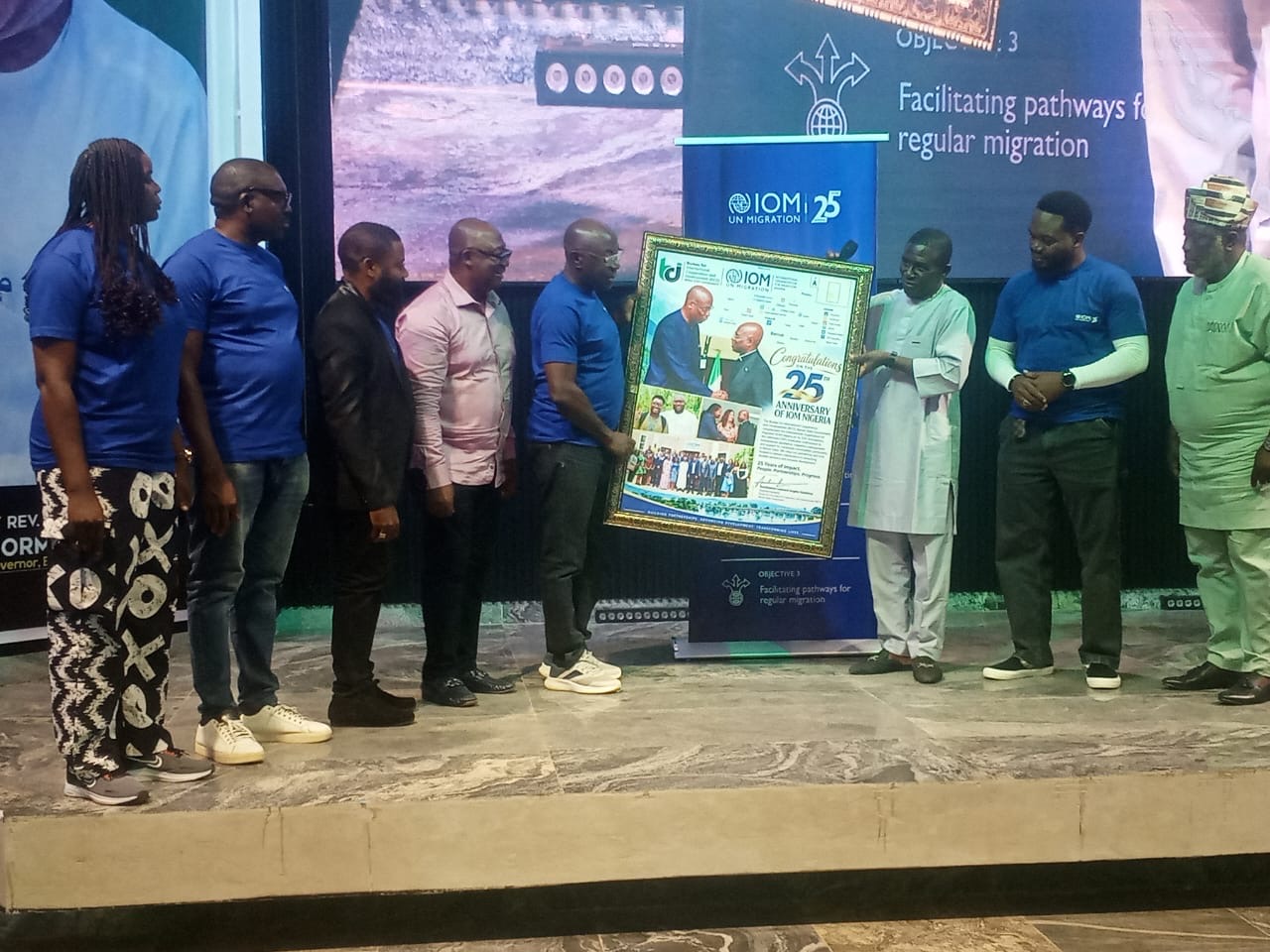
The International Organization for Migration (IOM) says it has supported thousands of displaced families across Benue State through shelter assistance, protection services, water and sanitation interventions, livelihood support and other humanitarian programmes since the state began facing major displacement challenges in 2018.
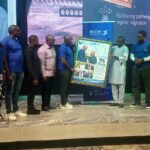
The Officer-in-Charge of IOM’s Benue Sub-office, Mr Francis Ukonu, disclosed this during the commemoration of the organization’s 25th anniversary in Nigeria.
Ukonu noted that its partnership with the Benue State Government and other humanitarian stakeholders had helped affected communities navigate displacement, insecurity, recurrent flooding and climate-related shocks.
He stated that IOM’s interventions had reached communities including Daudu, Abagena, Yelewata, Ortese, Gbajimba, Ichwa, Uikpam, Agagbe and Naka, as well as displaced families living at the Mbayongo Mega Camp and other displacement locations across the state.
He explained that the organization had worked with the state government, donor partners, local authorities, traditional institutions and community leaders to provide shelter, protection, camp coordination and management, water, sanitation and hygiene services, livelihood interventions and flood response assistance.
He noted that its Displacement Tracking Matrix also provides data to guide humanitarian planning and response.
However, the IOM official said significant humanitarian needs remained in communities across Agatu, Apa, Ohimini, Otukpo, Kwande, Ukum, Logo and Katsina-Ala, where families continued to face displacement, climate shocks, livelihood difficulties and limited access to essential services.
He called for renewed commitment among government institutions, humanitarian agencies, donors, traditional leaders and community stakeholders to expand interventions, reach underserved populations and ensure that no community was left behind.
Ukonu also paid tribute to past and present IOM personnel for their dedication to humanitarian service, urging stakeholders to build on the organization’s 25-year presence in Nigeria to promote dignity, peace, resilience and sustainable recovery.
Benue State Government, while congratulating IOM on its silver jubilee, called for stronger partnerships with the organization and other humanitarian partners to promote sustainable resettlement, livelihood opportunities and improved living conditions for IDPs in the state.
The Secretary to the State Government, Mrs Deborah Aber, who spoke at the 25th anniversary themed, “Celebrating 25 Years of Humanitarian Service, Partnership, and Impact in Nigeria” said the state government recognized IOM’s contributions to addressing migration-related challenges, supporting displaced persons, strengthening community resilience and promoting durable solutions for vulnerable populations affected by insecurity and other humanitarian emergencies.
She said the Alia administration remained committed to restoring peace, rebuilding affected communities and creating conditions for displaced persons to return to safe and dignified living, stressing that humanitarian assistance must extend beyond emergency relief to include sustainable resettlement, access to essential services and livelihood opportunities.
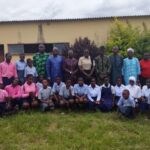
Aber particularly welcomed IOM’s commemorative tree-planting exercise at the Yelewata Resettlement Housing Site, describing it as a symbol of renewal, environmental sustainability and collective determination to rebuild affected communities.
Also, the Executive Secretary of the Benue State Emergency Management Agency (SEMA), Sir James Iorpuu, commended IOM for its contributions to the identification, resettlement and empowerment of displaced persons in the State.
Iorpuu, who noted that the organisation’s interventions extended beyond emergency relief to recovery, resilience, social inclusion and restoration of human dignity also identified the biometric enumeration of IDPs across all 17 local government areas of Benue as one of IOM’s significant contributions.
Iorpuu said the organization had also supported the provision of large-scale water treatment facilities for displaced populations in Ortese and Naka, helping to address water, sanitation and hygiene needs and improve public health. He urged them to keep up the good work, restating SEMA’s readiness to work with all partners to better the lots of the vulnerable populations in the state.