Follow Us on Google
From Molly Kilete, Abuja
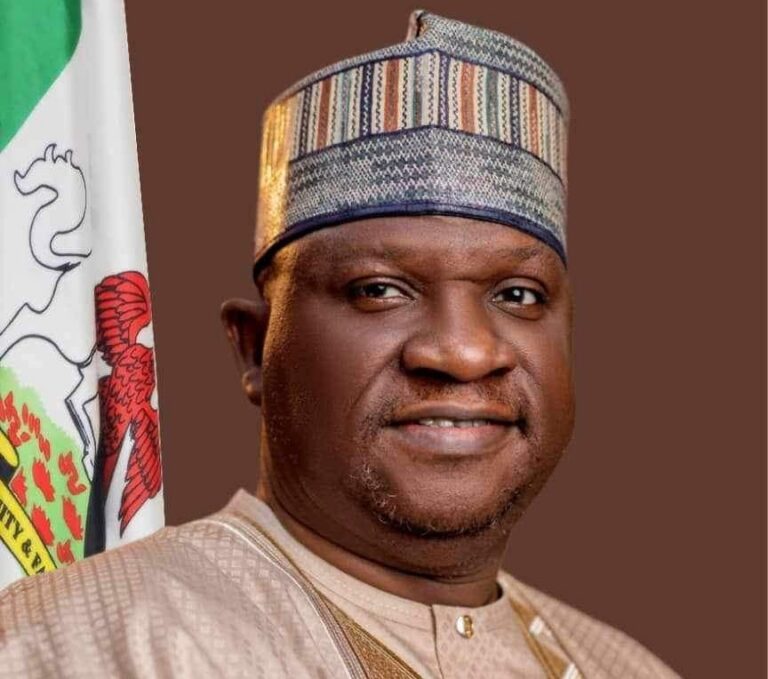
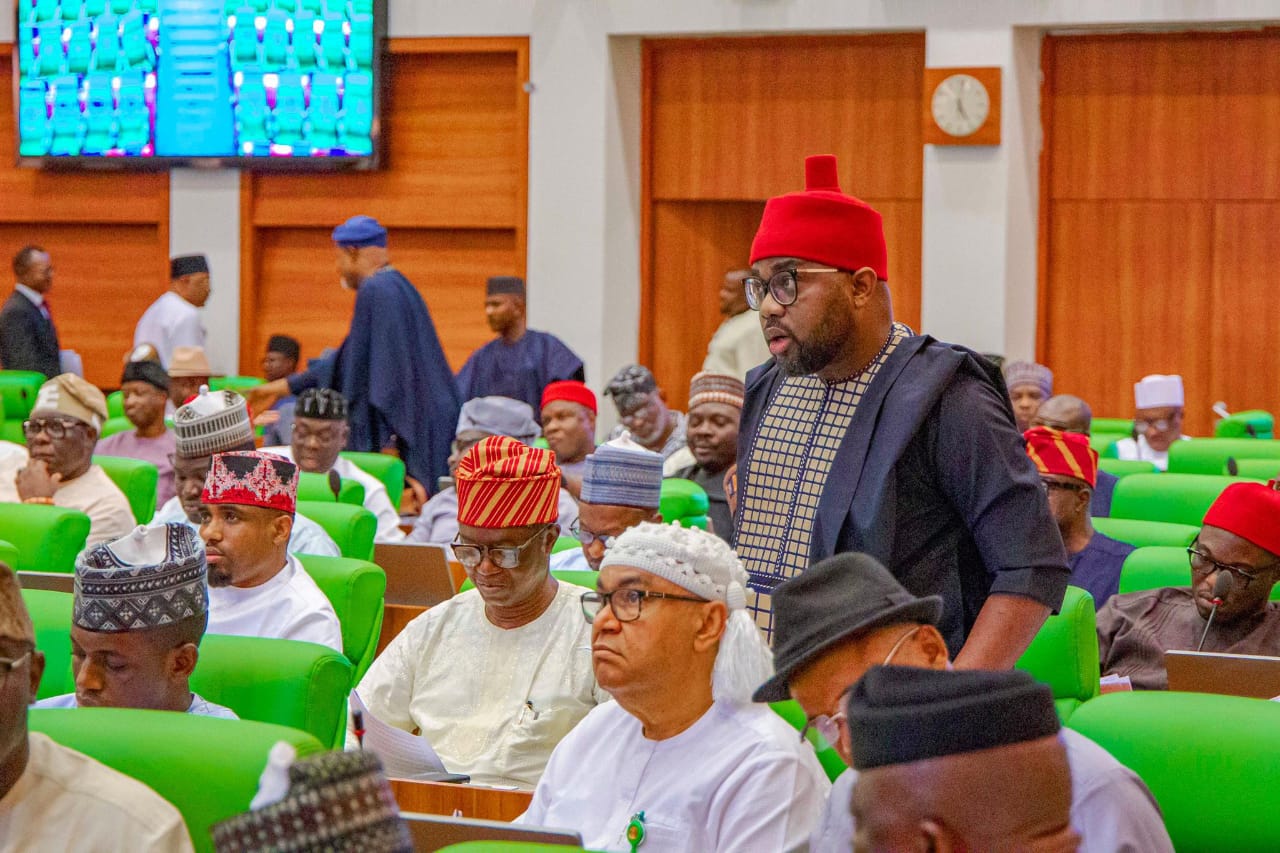
The Chairman of the House of Representatives Committee on Petroleum Resources (Downstream), Ikenga Ugochinyere, has said petrol and gas stations in some war-torn communities across the country have shut down due to fear of attacks, worsening access to energy in affected rural areas.
The lawmaker called for the restoration of police presence in the affected areas to rebuild confidence and enable petrol and gas stations to resume operations, particularly ahead of upcoming elections.
Ugochinyere disclosed this during the committee’s visit to the Nigeria Police Force headquarters on Thursday, where he presented findings from the committee’s assessment of downstream operations.
He said several local distribution outlets dispensing Premium Motor Spirit (PMS) and cooking gas were no longer operating in communities recovering from insurgency, adding that the closures had persisted for between five and ten years.
“Based on our findings from our oversight visit, we observe that some of the local distribution channel stations dispensing PMS and gas supplies in some of the war-torn communities have shut down due to fear of attack.
“This did not occur under your tenure, but over the past five, ten years, this has also affected access to energy in those rural communities. We need the restoration of local police presence in those areas to build confidence so that petrol and gas stations in those communities can be restored, and business activities can continue in those war-torn areas that are recovering from insurgence.”
While noting that the shutdown of rural police stations due to insecurity had broader economic consequences, including restricted mobility, the chairman said it had also slowed commercial activity and created difficulties for farmers to transport produce.
“Because when a rural police station closes due to insecurity, it is not just a business that shuts down.
“It is mobility that is restricted, commerce that is slowed, farmers that are stranded, and communities that are economically isolated. So with the wonderful work you have done in helping to protect pipelines and ensure energy security, it is important for the police to create a temporary advocate-based focus on reopening and provision of security for police stations and gas stations that were initially shut down due to insurgency hits.
Other News
“Make it a task, and use the next one or two years to ensure that especially as we go into elections, remote police stations that cannot operate because they were affected by insurgency are reopened and secured.”
While urging the police to prioritise reopening and securing police stations and energy facilities in communities previously impacted by insurgency, Ugochinyere said, “Rural and local police should be giving their marching orders to ensure that those local police stations are reopened to provide access to quality energy for people in rural areas, in line with Mr President’s Renewed Hope Agenda. Security in the downstream sector is therefore not merely about infrastructure, it’s about dignity, access, and opportunity.
“The committee recognises the extraordinary role your officers play daily, deterring pipeline vandalism, disrupting illegal refining networks, protecting depots and tank farms, escorting petroleum movement during high-risk periods, ensuring safety in host communities.”
He also proposed stronger collaboration between the police and the House committee, including the establishment of a dedicated petroleum downstream coordination desk within the police to improve intelligence sharing and security responses across the sector.
Welcoming the committee members to the Force Headquarters, the Inspector-General of Police, Kayode Egbetokun, said the police had intensified intelligence-led policing and inter-agency cooperation to protect oil and gas assets nationwide.
The IGP, while noting that threats to downstream infrastructure were evolving, said improved funding and legislative support were required to sustain protection of critical national assets, and assured the committee of the police’s continued cooperation in safeguarding downstream petroleum facilities.
Egbetokun said, “Safeguarding downstream oil and gas infrastructure is not just a security mandate. It’s a national economic imperative. Every facility protected represents preserved revenue, job security for Nigerians, and the stability of oil supply across the country.
“I want to assure you of our unwavering commitment to professionalism, accountability, and interagency cooperation in fulfilling this duty. We believe that with your continued oversight and partnership, we’ll be able to consolidate the gains that we’ve already made. I want to thank you once again for this visit, and I look forward to a more, a deeper collaboration with the National Assembly.”
Persistent insecurity in parts of the country has forced police posts to shut down in some rural and conflict-affected communities, disrupting economic activities.
The absence of a sustained Nigeria Police Force presence has also affected the operation of petrol and gas stations, limiting access to energy and slowing recovery in areas emerging from insurgency.