Follow Us on Google
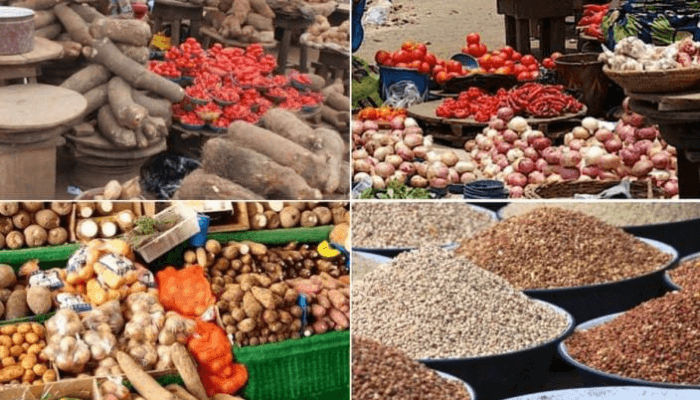
From Isaac Anumihe, Abuja
Nigeria’s headline inflation eased to 16.05 per cent in October 2025, down from 18.02 per cent in September, the National Bureau of Statistics (NBS) has reported.
Food prices, a key driver of household expenses, also fell, with the food inflation rate dropping to 13.12 per cent year-on-year.
The NBS highlighted that the October headline inflation represented a 1.96 percentage point decline compared with the previous month. Compared to October 2024, when inflation stood at 33.88 per cent, the current figure is 17.82 percentage points lower, indicating significant moderation over the past year.
A document from the NBS explained that the decrease in the headline inflation rate on a year-on-year basis is partly due to a change in the base year (November 2009 = 100).
Other News
On a month-to-month basis, however, the headline inflation rate rose slightly to 0.93 per cent in October, up from 0.72 per cent in September. “This means that in October 2025, the rate of increase in the average price level was higher than the rate of increase in September 2025,” the NBS noted.
Food inflation, which has a direct impact on households, also showed moderation on an annual basis. October 2025’s food inflation of 13.12 per cent was 26.04 percentage points lower than October 2024’s 39.16 per cent. The agency noted that the decline largely reflects the technical effect of the new base year, though some monthly fluctuations persist.
On a month-on-month basis, food prices rose by 0.37 per cent in October, reversing September’s -1.57 per cent decline. The NBS attributed this uptick to price increases in onions, fruits (oranges, pineapple), shrimp, unshelled groundnuts, vegetables (ugu, okazi leaf), and meat (goat meat, cow tail, liver).
“The average annual rate of food inflation for the twelve months ending October 2025 over the previous twelve-month average was 21.96 per cent, which is 16.16 percentage points lower than the average rate recorded in October 2024 (38.12 per cent),” the NBS said.
Analysts say the easing inflation offers a welcome relief to consumers, particularly as food and fuel costs continue to dominate household budgets. While month-on-month pressures remain in certain items, the overall trend suggests gradual stabilization of prices, signaling potential support for growth and purchasing power recovery.