Follow Us on Google
By Sandra Simon
While marking Nigeria’s independence, it is also imperative to recognise the leaders who advanced and progressed the nation.
Nigeria’s history has been shaped by various leaders, some of whom have left a long-lasting impact on the nation.
Here are the five best presidents in the history of Nigeria so far:
1. Olusegun Obasanjo
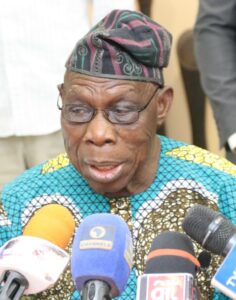
He is the president who tops the list. Olusegun Obasanjo is known for his act of stabilising democracy and driving an economic revival after decades of military rule.
He was able to secure $18 billion in debt relief for the nation, boosting foreign reserves from $2 billion to $43 billion.
Obasanjo also launched the National Economic Empowerment and Development Program to reduce poverty.
2. Umaru Musa Yar’Adua
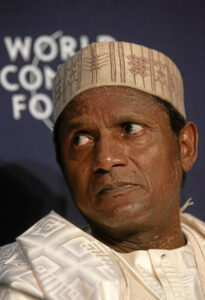
Widely regarded as Nigeria’s most principled and disciplined leader due to his focus on equity and reconciliation, Umaru Musa Yar’Adua achieved notable feats during his tenure.
He introduced the seven-point agenda, which targeted power supply, food security, education and general security.
Yar’Adua also launched the Niger Delta Amnesty Programme, reducing oil militancy by 80 per cent while restoring peace to the country.
Other News
He upheld the rule of law by publicly fostering accountability and transparency despite health challenges.
3. Goodluck Ebele Jonathan
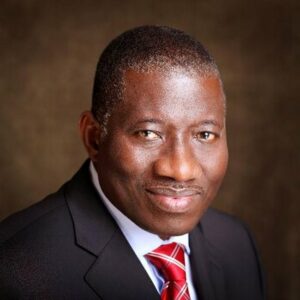
He is known for his economic expansion and the promotion of the peaceful well-being of the citizens.
Goodluck Jonathan did not just oversee the GDP growth to overtake South Africa, he also implemented electoral reforms for freer 2011 polls.
Furthermore, he contributed immensely to the building of Almajiri schools for 500,000 northern children and teens, pushing for 35 per cent affirmative action for women in the political field. He also revived federal roads and railways.
4. Murtala Mohammed
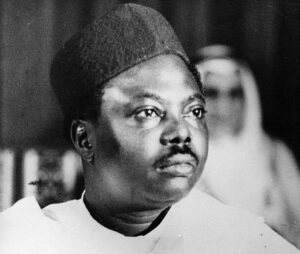
Although he ruled briefly, Murtala Mohammed’s bold reforms earned him the status of hero.
During his reign, he initiated the relocation of the FCT for better national unity, eliminating corrupt ruling officials in a massive public sector clean-up.
Mohammed went as far as expanding foreign policy by recognising the freedom movement in Mozambique and Angola. He provided infrastructural projects such as low-cost housing and education.
5. Abubakar Tafawa Balewa
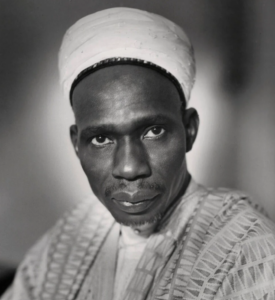
Abubakar Tafawa Balewa is fondly remembered as Nigeria’s first post-independence leader in the foundational role of federalism and diplomacy.
He helped navigate the transition from colonial rule and fostered a non-aligned foreign policy, joining the Organisation of African Unity (OAU) and the Commonwealth body, promoting the country’s unity through a more balanced regional development.
Balewa laid the groundwork for oil revenue management and ended the 1966 coup.