Follow Us on Google

From Jude Chinedu, Enugu Onitsha Enugu
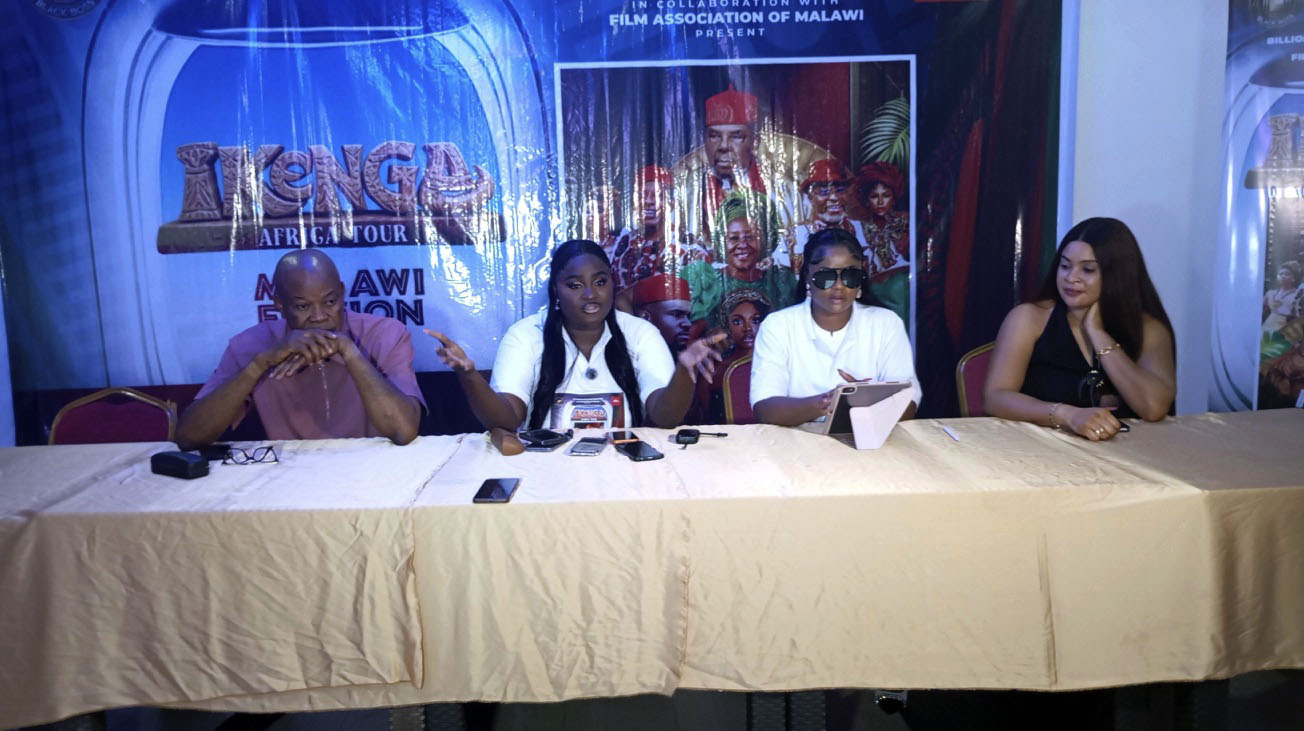
At a time indigenous languages, cultures, and traditions are gradually losing their place in contemporary society, a Nollywood producer, Anita Odiakaose, has chosen an unusual way to reconnect Igbo indigenes with their roots by telling the Igbo story through the big screen.
Her latest production, “Ikenga: The last festival”, is more than an attempt to entertain cinema audiences. It is a deliberate effort to bring the Igbo language, culture, and tradition back into public consciousness, particularly among the younger generations who are increasingly disconnected from their cultural heritage.
With about 90 percent of its content rooted in Igbo culture, the movie draws from the people’s identity, using indigenous language, traditional expressions and cultural practices to tell a story that speaks to the importance of preserving one’s heritage.
For Odiakaose, the journey to producing the movie was also a personal one. Despite having produced more than 200 films, she said she came to the uncomfortable realisation that she had not done enough to promote the culture and language she inherited. That realisation, she explained, became the driving force behind Ikenga: The Last Festival.
Speaking during a media briefing in Enugu, the producer expressed concern that many young Igbo people were gradually losing touch with their language and cultural identity, sometimes, without appreciating what they stood to lose.
“I am an Igbo girl who does not want to speak Igbo. It means our culture is actually fading away. I won’t say my parents failed me, but I will say I failed myself because I refused to learn a culture and a tribe that would protect me anywhere I go,” she said.
Her concern goes beyond the inability of some young people to speak their mother tongue. It also touches on the gradual disappearance of indigenous names, traditional expressions, and cultural references from Nigerian films, particularly productions by some Igbo filmmakers. She wondered why Igbo filmmakers often gave foreign names to characters in their English-language productions, while their Yoruba and Hausa counterparts continued to reflect their cultural identities through indigenous names.
“What happened to Ifediche? What happened to Chekube? What happened to Ngozi?” she asked.
For her, such names are not merely labels for fictional characters. They represent a people’s history, identity, and connection to their ancestors, and should not be abandoned in the pursuit of commercial appeal. This thinking informed the production of Ikenga, which featured predominantly indigenous Igbo cast and crew, with filming locations spread across Igbo-speaking communities in the South East and South-South.
The intention was to give the film an authentic cultural identity rather than merely use Igbo traditions as background decoration. Through its language, characters, and cultural displays, the production seeks to present Igbo heritage in a way that the audience, particularly those living outside the region, can appreciate.
Beyond its cultural message, the movie has also recorded impressive commercial success. According to Ngozichukwuka, it has crossed the N120 million box-office mark since entering cinemas on August 21, making it the highest-grossing West African indigenous movie of all time. But, perhaps, more significant for the producer is the opportunity to take the story beyond Nigeria and introduce Igbo cultural expressions to international audiences.
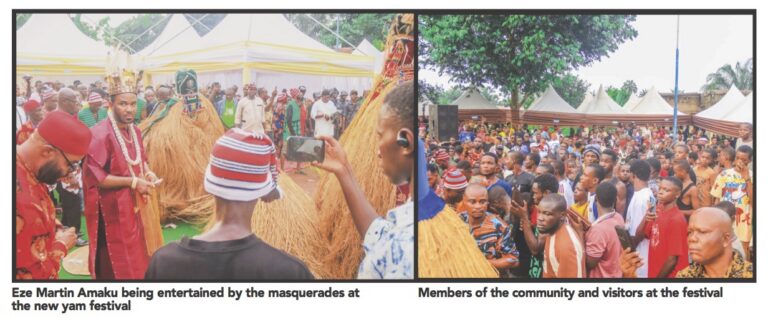
The production team took the movie to Ghana on October 3 for its premiere, which featured traditional Igbo displays, including the Ijele masquerade and ogene performances. The cultural presentation provided an opportunity for audiences outside Nigeria to experience some of the colourful traditions associated with the Igbo people, beyond what they ordinarily encounter in films and other entertainment platforms. The international journey is continuing, with the movie scheduled to feature at an international cultural celebration in the United Kingdom on November 20. It is also already showing at Odeon Cinemas in the UK.
Building cultural bridges with Malawi
Other News
One of the interesting developments arising from the international journey of Ikenga is the opportunity it has created for cultural collaboration between Nigeria and Malawi.
Odiakaose disclosed that the production had opened discussions for collaboration with the Film Association of Malawi, whose President, Mrs Dorothy Kingston, is representing the association in the engagement. The proposed partnership is expected to strengthen cultural and creative exchanges between both countries, creating opportunities for filmmakers to learn from one another, showcase their indigenous identities, and explore the cultural similarities and differences that make African societies unique.
The Malawi connection is, particularly, significant because it takes the vision behind Ikenga beyond the promotion of one ethnic group. It reflects the possibility of using filmmaking as a platform for African cultural exchange, where indigenous stories can travel across national boundaries and find audiences in different societies.
For her, the broader ambition is to see more African filmmakers embrace their cultural identities and tell stories that preserve their heritage for generations yet unborn. She believes Nigeria’s cultural diversity should be reflected more deliberately in its film industry, with filmmakers from different ethnic groups given the opportunity to showcase their languages, traditions, and values.
She said the objective was not limited to promoting Igbo culture but also to encourage Yoruba, Hausa, Efik, Benin and other ethnic groups to tell their own stories and make their cultural heritage visible to the world.
“We want Nigerian cultures, all the cultures and traditions in Nigeria, to be seen, noticed and appreciated. Irrespective of our coming together as a country, we have something unique that differentiates us and also brings us together. That unique thing is our culture,” she said.
A call for a change in Nollywood storytelling
While celebrating the possibilities of filmmaking as a tool for cultural preservation, Odiakaose believes the industry must also take a critical look at the kind of stories it tells and the values it promotes. She urged Nollywood filmmakers to move away from movies that glorify internet fraud, money rituals and prostitution, arguing that the industry should devote more attention to stories that celebrate Nigeria’s cultural heritage and positive values.
Kingston said the repeated portrayal of criminal activities as part of African traditional practices risks creating wrong impressions about indigenous cultures, particularly among audiences who may have little knowledge of those traditions. She said her experience producing Ikenga had broadened her understanding of traditional institutions, titles, and cultural practices she had previously misunderstood.
For her, filmmakers have a responsibility to distinguish between genuine cultural practices and harmful or criminal activities that are, sometimes, wrongly presented as African traditions. Rather than perpetuating negative stereotypes, she believes movies should educate audiences about the positive aspects of their heritage, including traditional institutions, festivals, indigenous foods, languages, and communal values.
“Filmmakers must begin to be conscious and very critical about the decisions they make, especially when those decisions can promote culture,” she said.
Ultimately, the story of Ikenga: The last festival, is also a reminder of the place of indigenous storytelling in preserving cultural identity.
On her part, the President, Film Association of Malawi (FAMA), Dorothy Kingston, said the collaboration would strengthen relations between Nigeria and Malawi and expose Malawian filmmakers to Nigeria’s more advanced film production industry.
“This is more than a movie premiere. It is a strong partnership between Nigeria and Malawi. We believe Malawi is going to benefit immensely from this relationship in production, skills exchange, investment, and opportunities for our local filmmakers,” she said.