Follow Us on Google
The concept of African Renaissance, popularized by former South African President Thabo Mbeki, envisions a continent that has overcome the legacies of colonialism, achieving political stability, economic prosperity, and cultural renewal. This vision requires leadership that prioritizes African interests, challenges neocolonial structures, and fosters continental solidarity. In this context, Captain Ibrahim Traoré’s rise to power in Burkina Faso represents a significant development in contemporary African politics, offering a leadership model that embodies many principles essential to realizing African Renaissance.

Since assuming power in September 2022, Traoré has demonstrated a commitment to sovereignty, social justice, and Pan-African solidarity that distinguishes his approach from conventional African leadership models. His rejection of external interference, emphasis on local resource control, and focus on youth empowerment have resonated across the continent, particularly among populations frustrated with traditional political establishments. This article argues that Traoré’s leadership model deserves continental support and replication as a means of advancing African Renaissance.
The central thesis of this article is that supporting Ibrahim Traoré and fostering similar leadership across Africa represent a strategic pathway to continental transformation. This support should not be understood as endorsement of military governance per se, but rather as recognition of the substantive policy directions and leadership principles that Traoré embodies. By examining his approach to governance, economic policy, and international relations, this article makes the case for why African leaders, civil society organizations, and citizens should actively support and adapt his model within their respective contexts.
African Renaissance represents more than economic development or political stability; it encompasses a comprehensive transformation that restores African agency in global affairs. Mbeki’s original conceptualization emphasized political democracy, economic reconstruction, and cultural renewal as interconnected elements of continental rebirth. However, contemporary scholarship has expanded this framework to include sovereignty over natural resources, technological advancement, and authentic indigenous governance systems.
The Renaissance paradigm requires leadership that can navigate the complexities of globalization while maintaining African authenticity. This involves challenging externally imposed development models, fostering intra-African cooperation, and prioritizing policies that serve African populations rather than external interests. Such leadership must be transformational rather than transactional, inspiring systemic change rather than merely managing existing structures.
Transformational leadership theory, as developed by Burns and Bass, emphasizes leaders who inspire followers to transcend self-interest for collective goals, stimulate intellectual engagement, and demonstrate individualized consideration for followers’ needs. In the African context, transformational leadership additionally requires cultural authenticity, resistance to neocolonial pressures, and commitment to continental solidarity.
Effective African transformational leaders must balance multiple demands: satisfying citizen expectations while resisting external pressures, modernizing governance while preserving cultural values, and pursuing national development while advancing continental unity. This requires exceptional political skill, moral authority, and strategic vision – qualities that appear evident in Traoré’s approach to leadership.
Traoré’s most distinctive characteristic is his unwavering commitment to Burkinabé sovereignty and rejection of neocolonial arrangements. This manifests in several key policy areas. His government has challenged French military presence in the Sahel region, demanding the departure of foreign military forces and asserting Burkina Faso’s right to choose its own security partnerships. This represents a fundamental departure from the traditional Françafrique model that has dominated West African politics since independence.
Furthermore, Traoré has been vocal in criticizing international financial institutions and their structural adjustment programs, arguing that these arrangements perpetuate African dependency rather than fostering genuine development. His government has pursued alternative financing mechanisms and sought to diversify international partnerships beyond traditional Western allies, engaging more actively with countries like Russia, China, and other Global South nations.
This sovereignty-first approach extends to cultural and educational policy, where Traoré has emphasized the importance of African languages, traditional knowledge systems, and indigenous institutions. By rejecting the assumption that development must follow Western models, Traoré demonstrates a commitment to authentic African solutions to African challenges.
Traoré’s economic philosophy centers on ensuring that Burkina Faso’s natural resources benefit its citizens rather than external corporations or local elites. This involves renegotiating mining contracts, increasing state participation in resource extraction, and directing revenues toward social development programs. His government has implemented policies to support small-scale agriculture, promote food security, and reduce dependence on imported goods.
The emphasis on economic justice extends to addressing inequality and poverty through targeted social programs. Traoré has prioritized education, healthcare, and infrastructure development in rural areas, recognizing that genuine development must benefit all citizens rather than a privileged minority. This approach aligns with African Renaissance principles by ensuring that economic growth translates into improved living standards for ordinary Africans.
Resource sovereignty also involves developing local capacity for value addition and processing. Rather than simply exporting raw materials, Traoré’s government has emphasized the importance of developing domestic industries that can add value to natural resources before export. This strategy aims to capture more of the value chain within Burkina Faso, creating employment opportunities and generating additional government revenues.
One of Traoré’s most significant contributions to African political discourse is his emphasis on youth empowerment and generational change. As one of the world’s youngest heads of state, Traoré represents a new generation of African leaders who have grown up in the post-Cold War era and are less constrained by the political arrangements established during decolonization.
His government has implemented programs to support youth entrepreneurship, education, and political participation. Traoré frequently speaks about the need for African youth to take control of their continent’s destiny, rejecting the notion that young people should simply accept existing political and economic arrangements. This message has resonated across Africa, where the majority of the population is under 30 and increasingly frustrated with traditional political establishments.
The emphasis on generational change extends to governance style and communication. Traoré utilizes social media and other modern communication tools to engage directly with citizens, bypassing traditional media gatekeepers. This approach demonstrates how contemporary African leaders can leverage technology to build more direct relationships with their populations while maintaining cultural authenticity.
Traoré has consistently emphasized the importance of African unity and cooperation, both in rhetoric and policy implementation. His government has strengthened relationships with other African countries, particularly those facing similar challenges related to security, development, and sovereignty. This includes closer cooperation with Mali and Niger, countries that have also experienced recent political transitions and share similar concerns about foreign military presence.
Beyond bilateral relationships, Traoré has been an advocate for stronger continental institutions and deeper integration. He has supported initiatives to increase intra-African trade, improve transportation infrastructure, and harmonize policies across borders. This Pan-African orientation reflects an understanding that individual African countries cannot achieve full sovereignty and development in isolation; continental cooperation is essential for collective advancement.
The solidarity principle also extends to supporting other African liberation movements and governments facing external pressure. Traoré has spoken out against international sanctions and interventions targeting African countries, arguing that these measures represent contemporary forms of imperialism that African leaders must resist collectively.
Supporting Ibrahim Traoré serves broader African Renaissance objectives by demonstrating that alternative leadership models are possible and effective. His success in implementing sovereignty-focused policies while maintaining popular support provides a template that other African leaders can adapt to their specific contexts. This is particularly important given the widespread dissatisfaction with conventional African political establishments and the rising influence of external powers seeking to exploit African resources and markets.
Traoré’s approach challenges the assumption that African development must follow externally prescribed models. By demonstrating that African leaders can pursue independent policies while maintaining international relationships, he provides evidence that sovereignty and development are compatible. This has implications far beyond Burkina Faso, as it encourages other African leaders to prioritize their populations’ interests rather than external validation.
Furthermore, supporting Traoré sends a signal to international actors that Africans are prepared to back leaders who genuinely represent their interests. This collective support can strengthen the negotiating position of African governments in international forums and bilateral relationships, making it more difficult for external powers to isolate or pressure individual African countries.
Traditional news and social media are replete with coup attempts on Ibrahim Traore, with yet-to-be-substantiated reports indicating that African rulers are supporting the efforts of enemies of Africa to truncate the development in Burkina Faso. There is a widely quoted African Proverb that states, “If there is no enemy within, the enemy without can do us no harm.”
Continental support for Traoré can take various forms, each offering practical benefits for both Burkina Faso and the broader African community. Economic cooperation, including increased trade and investment flows, can help diversify Burkina Faso’s economy while creating opportunities for other African countries. This is particularly relevant given Traoré’s emphasis on reducing dependence on traditional Western markets and developing alternative economic partnerships.
Diplomatic support in international forums can help protect Burkina Faso from external pressure and sanctions while advancing broader African positions on issues like debt relief, trade policy, and climate finance. African unity in supporting leaders who prioritize continental interests strengthens the collective voice of African countries in global governance institutions.
Technical cooperation and knowledge sharing can help other African countries learn from Burkina Faso’s experiences in areas like resource governance, security policy, and youth empowerment. This exchange of expertise can accelerate development across the continent while building stronger relationships between African governments and civil society organizations.
Critics may argue that supporting military governments undermines democratic governance and human rights in Africa. However, this perspective fails to recognize the complex realities of contemporary African politics and the limitations of formal democratic institutions in addressing systemic challenges. Traoré’s government has demonstrated greater commitment to serving popular interests than many elected African governments that prioritize elite enrichment over citizen welfare.
Furthermore, the focus should be on substantive governance outcomes rather than formal institutional arrangements. If Traoré’s policies advance sovereignty, economic justice, and social development more effectively than previous governments, these achievements deserve recognition and support regardless of the means by which he came to power. Democratic legitimacy ultimately derives from serving citizen interests rather than following particular procedural requirements.
The emphasis on supporting Traoré’s leadership model does not preclude encouraging democratic reforms and human rights protections. Continental support can include constructive engagement on governance issues while recognizing the positive aspects of his approach to sovereignty and development. This balanced approach acknowledges both achievements and areas for improvement while maintaining focus on the broader goal of African Renaissance.
Other News
Other African leaders can learn from Traoré’s approach without necessarily replicating every aspect of his governance model. The key principles – sovereignty, economic justice, youth empowerment, and Pan-African solidarity – can be adapted to different political systems and contexts. Elected leaders can adopt more assertive positions on resource governance, challenge unfair international agreements, and prioritize policies that serve their populations rather than external interests.
Civil society organizations can support these principles by advocating for more sovereign policies, promoting African unity, and holding leaders accountable for serving citizen interests rather than external pressures. This includes supporting leaders who demonstrate genuine commitment to African Renaissance principles while challenging those who prioritize personal enrichment or external validation.
Educational institutions and media organizations can contribute by promoting African-centered narratives, highlighting successful examples of indigenous development, and fostering critical analysis of externally imposed development models. This intellectual transformation is essential for creating the ideological foundation necessary for sustained political and economic change.
Supporting the Traoré model requires building networks of like-minded leaders, organizations, and citizens across Africa. These networks can facilitate knowledge sharing, coordinate policy positions, and provide mutual support for leaders facing external pressure. Such cooperation can strengthen the collective capacity of African countries to pursue independent policies while maintaining international relationships.
Professional associations, academic institutions, and cultural organizations can play important roles in building these networks. By fostering relationships between African intellectuals, policymakers, and activists, these organizations can create the social infrastructure necessary for sustained cooperation and mutual support.
Regional economic communities and continental institutions like the African Union can also contribute by supporting member states that pursue sovereignty-focused policies and resist external pressure. This might involve providing alternative financing mechanisms, facilitating intra-African trade, and presenting united positions in international negotiations.
Implementing sovereignty-focused policies often involves significant short-term costs and risks. Leaders may face international isolation, economic pressure, and domestic opposition from groups that benefit from existing arrangements. Continental support can help mitigate these challenges by providing alternative markets, financing sources, and diplomatic backing.
However, successful implementation also requires careful strategic planning and gradual policy changes that build popular support while minimizing economic disruption. Leaders attempting to replicate Traoré’s approach should focus on areas where they have greatest capacity for success while building momentum for more ambitious reforms over time.
This might involve initially focusing on cultural and educational policies that promote African identity and self-reliance while gradually expanding to economic and security policies that challenge external dependency. By building popular support for sovereignty-focused policies, leaders can create the political foundation necessary for more comprehensive reforms.
Widespread adoption of Traoré’s leadership principles could fundamentally transform African politics by creating a new generation of leaders who prioritize sovereignty and citizen welfare over external validation. This transformation could break the cycle of dependency that has characterized many African countries since independence, creating space for more authentic and effective governance models.
Such transformation would also strengthen Africa’s position in global affairs by creating a more unified and assertive continental voice. Rather than competing for external approval, African countries could coordinate their positions and negotiate more effectively with international partners. This could lead to more favorable terms for trade, investment, and development cooperation while protecting African interests in global governance institutions.
The emphasis on youth empowerment and generational change could also accelerate this transformation by bringing new perspectives and energy to African politics. Young leaders like Traoré understand contemporary global dynamics while maintaining commitment to African interests, potentially creating more effective strategies for navigating complex international relationships.
The Traoré model’s emphasis on resource sovereignty and economic justice could contribute to more sustainable and equitable development across Africa. By ensuring that natural resources benefit local populations rather than external corporations, African countries could generate the revenues necessary for comprehensive social development programs.
This approach could also accelerate industrialization and technological advancement by creating incentives for value addition and local capacity building. Rather than remaining suppliers of raw materials to global markets, African countries could develop domestic industries that create employment opportunities and generate higher returns on natural resource endowments.
Furthermore, increased intra-African cooperation and trade could reduce dependence on traditional Western markets while creating opportunities for economic diversification. This could strengthen the resilience of African economies while fostering innovation and entrepreneurship across the continent.
Supporting leaders like Traoré who emphasize cultural authenticity and African identity could contribute to a broader cultural renaissance that strengthens continental solidarity while preserving indigenous knowledge systems. This cultural transformation is essential for sustaining political and economic changes by creating the ideological foundation necessary for continued independence from external influence.
Educational reforms that prioritize African languages, history, and knowledge systems could help young Africans develop greater appreciation for their heritage while acquiring the skills necessary for contemporary challenges. This balanced approach to cultural preservation and modernization reflects the complexity of achieving authentic development in a globalized world.
The emphasis on cultural renaissance could also strengthen African soft power and global influence by demonstrating the vitality and relevance of African civilizations. This could help counter negative stereotypes and misconceptions about Africa while creating space for African perspectives in global cultural and intellectual discourse.
African governments should provide diplomatic support for Burkina Faso in international forums while exploring opportunities for increased economic cooperation and technical exchange. This support should be practical and measurable, including specific commitments to trade, investment, and knowledge sharing agreements.
Civil society organizations across Africa should engage with their counterparts in Burkina Faso to learn from their experiences while sharing their own insights about effective advocacy and community organizing strategies. These relationships can strengthen civil society capacity across the continent while building support for sovereignty-focused policies.
Academic institutions should initiate research collaborations that examine the effectiveness of different development models while promoting African-centered scholarship and intellectual exchange. This research can provide evidence-based support for policy reforms while fostering critical analysis of externally imposed development prescriptions.
Media organizations should provide balanced coverage of developments in Burkina Faso while highlighting successful examples of African-led development initiatives. This coverage can help counter negative narratives while promoting greater understanding of alternative development approaches.
The ultimate goal of supporting Ibrahim Traoré should be fostering a continental transformation that creates space for authentic African leadership and development. This requires sustained commitment from diverse actors across Africa, including governments, civil society organizations, academic institutions, and individual citizens.
Success will be measured not just by improvements in Burkina Faso, but by the emergence of similar leadership models across the continent and the strengthening of African unity and cooperation. This transformation will require patience and persistence, as changing deeply entrenched political and economic structures takes time and faces significant resistance.
However, the potential benefits of this transformation justify the effort required. A continent of sovereign, prosperous, and unified African countries could become a major force for positive change in global affairs while providing opportunities and dignity for all African peoples.
Ibrahim Traoré represents a new model of African leadership that prioritizes sovereignty, economic justice, youth empowerment, and Pan-African solidarity. His approach offers a practical alternative to conventional African politics while embodying many principles essential for achieving African Renaissance. Supporting and adapting his leadership model across the continent could catalyze transformative change that benefits all African peoples.
This support should be understood not as endorsement of particular institutional arrangements, but as recognition of substantive policy directions that advance African interests. By providing diplomatic, economic, and intellectual support for leaders who demonstrate genuine commitment to African Renaissance principles, the continent can create momentum for broader transformation.
The challenge facing contemporary Africa is not lack of resources or capacity, but the need for leadership that can mobilize these assets for African development rather than personal, and external enrichment. Ibrahim Traoré has demonstrated that such leadership is possible and effective. The next step is ensuring that his example inspires and supports similar transformations across the continent, ultimately realizing the vision of African Renaissance that has motivated continental thinkers and activists for generations.
The path forward requires collective action from all sectors of African society, united by commitment to sovereignty, justice, and continental solidarity. With sustained effort and mutual support, Africa can indeed experience the renaissance that its peoples deserve, led by authentic African leaders who understand that true development must serve African interests above all others.
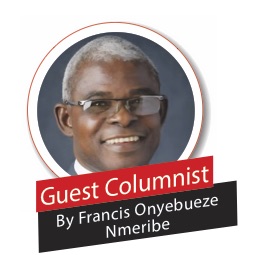
• Nmeribe writes from [email protected]