Follow Us on Google
By Philip Nwosu
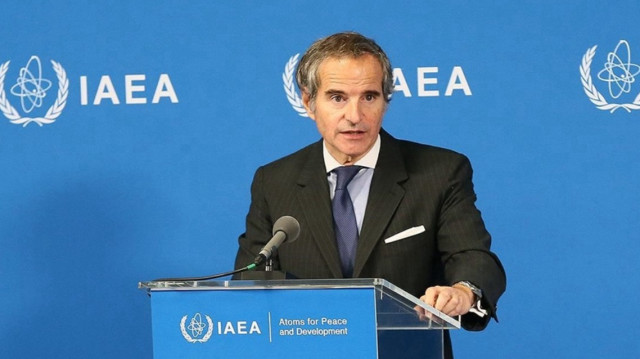
Director General, International Atomic Energy Agency (IAEA), has expressed deep concern over rising tensions in a region facing nuclear-related risks, warning that the possibility of a radiological release cannot be ruled out while urging parties to urgently return to diplomacy.
Addressing member states, the IAEA chief acknowledged widespread frustration after efforts to reach an understanding failed, but stressed that the use of force, though historically present in international relations, must remain a last resort.
“I remain convinced that the lasting solution to this long-existing discord lies on the diplomatic table,” he said, reaffirming the agency’s readiness to support negotiations whenever called upon.
He emphasised that in nuclear matters, clarity and verifiability are essential components of any sustainable agreement. “Diplomacy is hard, but it is never impossible. Nuclear diplomacy is even harder, but it is never impossible,” he stated, adding that renewed talks are inevitable and must resume as quickly as possible.
Other News
The IAEA chief disclosed that he has been in close contact with affected Member States in the region and noted that the agency possesses extensive knowledge of the nature and location of nuclear and radiological materials involved.
He warned that the current situation is “very concerning,” cautioning that a potential radiological release could have serious consequences, including the evacuation of areas as large as, or larger than, major cities.
While underscoring the gravity of the moment, he assured the international community that the IAEA remains fully engaged. The agency, he said, has clear operational guidance for responding to nuclear accidents or attacks that result in radiological releases and stands ready to provide immediate, hands-on assistance if required.
“The IAEA is there, working with its Member States, and keeping the international community informed while being ready to react immediately if a breach in nuclear safety occurs,” he concluded.