Follow Us on Google
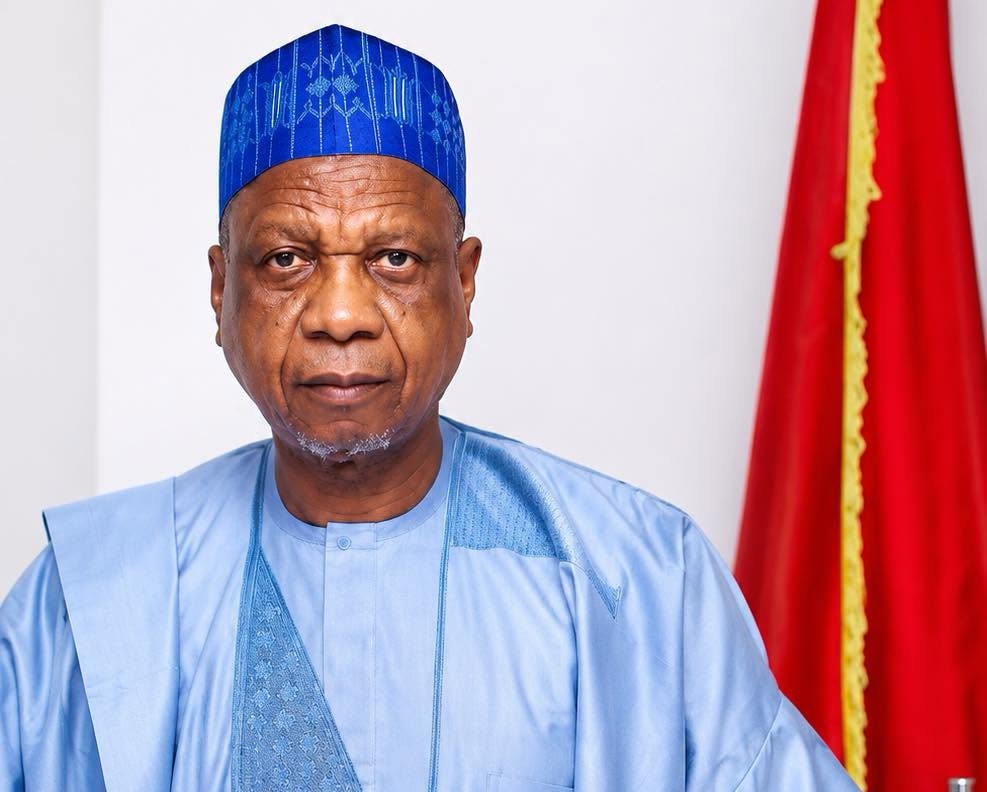
Former Head of the Civil Service of the Federation and Chairman of the Federal Government Tertiary Institutions Expanded Negotiation Committee, Alhaji Yayale Ahmed, has attributed the successful renegotiation of agreements with the Academic Staff Union of Universities (ASUU) and non-teaching staff unions to dialogue, empathy, mutual respect and a willingness by both parties to compromise.
Ahmed said he deliberately abandoned the adversarial approach traditionally associated with labour negotiation, and instead sought to understand the concerns, expectations and frustrations of union leaders, while helping them appreciate the financial and administrative constraints confronting government.
Speaking at the unveiling of the renegotiated agreements between the Federal Government and non-academic staff unions for tertiary institutions in Abuja on Tuesday, he said the strategy helped build trust and made it possible for both sides to reach mutually acceptable positions on contentious issues.
The former Head of Service disclosed that he initially hesitated to accept his appointment as a pro-chancellor and chairman of the committee coordinating negotiations, having felt tired after years of public service. “But I eventually accepted the assignment following appeals from colleagues, only to discover that it would require me to confront the longstanding disagreements between the government and ASUU.”
“I decided that I should not see myself, nor should our team see itself, as we versus the unions,” he said, explaining the philosophy that guided his leadership of the negotiations.
Ahmed said he made deliberate efforts to identify with the unions, understand what they were trying to achieve and appreciate the circumstances informing their demands.
According to him, the approach required patience and emotional resilience, particularly when negotiations became tense and union representatives expressed disappointment or questioned the credibility of the government’s negotiating team.
He said he was not intimidated by such confrontations, having dealt with labour unions since the early stages of his career. “However, we acknowledged that experience alone was insufficient without an appreciation of the need for compromise.”
“The union has to give, government has to give, in the spirit of give-and-take,” he said, describing the principle as central to the progress achieved during the negotiations.
Ahmed also commended the union leaders who participated in the process, describing them as responsible representatives who defended their members’ interests while showing an understanding of the government’s position.
Other News
He urged union members to trust their leaders, saying their willingness to engage constructively rather than adopt an entirely confrontational posture had helped make the negotiations more productive.
The chairman further credited the Minister of Education and the Minister of State for Education, Dr Tunji Alausa and Prof Suwaiba Sa’id Ahmad, respectively, with providing the political support needed to move the process forward.
He said the ministers listened to the committee’s recommendations and demonstrated a willingness to consider proposals that initially appeared difficult to achieve.
Despite the successful conclusion of the negotiations, Ahmed cautioned that the unveiling and signing of the agreements should not be regarded as the end of the process.
He described the ceremony as the beginning of another critical phase, stressing that the real test would be the faithful implementation of the provisions agreed upon by both parties.
According to him, the Federal Government must demonstrate its commitment by ensuring that the agreements are implemented as stipulated, while the unions must sustain the spirit of cooperation that enabled the negotiations to succeed.
He expressed confidence that the agreements could strengthen industrial harmony in universities, polytechnics and colleges of education if all parties remained committed to their obligations.
Ahmed thus highlighted the role of negotiation beyond formal bargaining, insisting on the ability to manage distrust, reconcile competing interests and create an atmosphere in which government and unions can reach compromises without abandoning their respective responsibilities.
“For a tertiary education sector repeatedly affected by industrial disputes, the challenge now is to translate that negotiating spirit into sustained implementation, improved staff welfare and more stable academic calendars,” he said.