Follow Us on Google
….As outcome of research shows intravenous iron more effective
By Chinelo Obogo
It is a well-known fact that any pregnant woman who has anemia (low levels of healthy red blood cells or hemoglobin) will either not deliver a baby with a healthy weight or the baby may arrive early (preterm birth).
For centuries, healthcare professionals all over the world, administered iron orally in the treatment of anemia in pregnant women but recently, a team of Nigerian doctors based carried out an open labelled randomised IVON controlled trial which compared the effectiveness and safety of IV iron (intravenous ferric carboxymaltose) i.e infusion by drip to oral iron tablets (oral ferrous sulfate) for treating iron deficiency anaemia in pregnancy.
IVON, which stands for intravenous versus oral iron deficiency anaemia in pregnant Nigerian women is the largest clinical trial done in on the topic worldwide and it was coordinated by the Centre for Clinical Trial, Research and Implementation Science domiciled at the College of Medicine University of Lagos. The director of the center, researcher and professor of Obstetrics and Gynaecology, University of Lagos (UNILAG), Bosede Afolabi, was awarded a $2.5 million grant by Bill and Melinda Gates Foundation for the research, a significant milestone in global efforts to reduce maternal and child morbidity and mortality.
It was an open-label randomised controlled trial conducted at 10 health facilities in Kano and Lagos states. A total of 1,056 pregnant women at 20 – 32 weeks’ gestational age with moderate or severe anaemia, were randomised into two groups. The intervention group received one dose of intravenous ferric carboxymaltose (infusion given as drip) at enrolment, while the other group received thrice daily oral ferrous sulphate tablets, from enrolment till six weeks after delivery. All participants were followed up until six weeks after delivery).
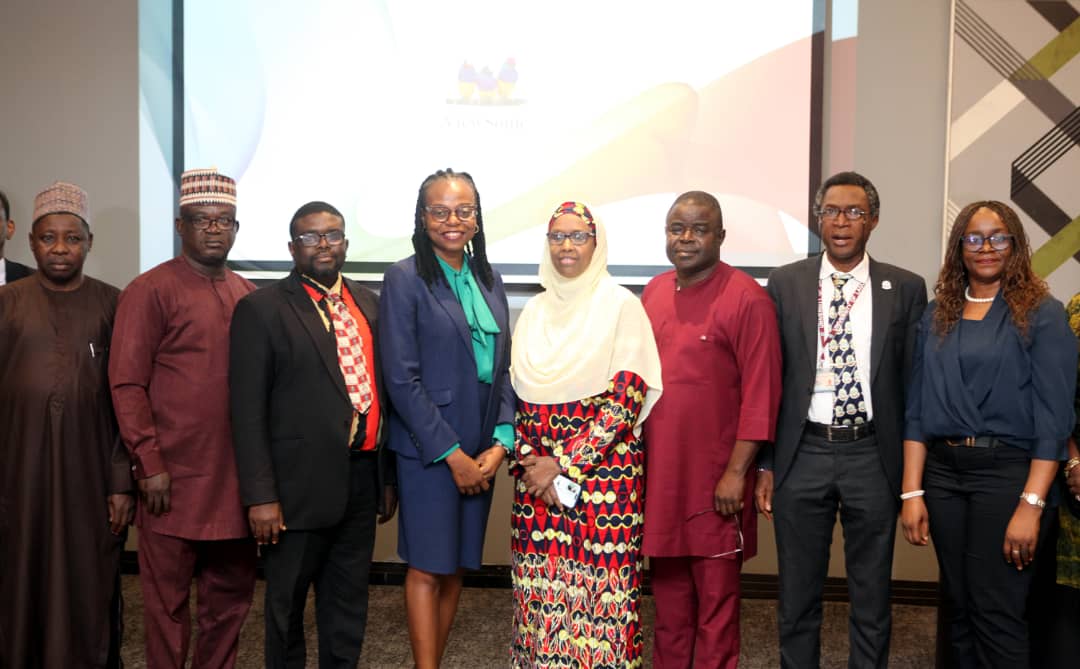
Last week, a close-out ceremony of the clinical trial was held in Lagos State where the results of the research was presented to stakeholders and policy makers in Nigeria’s healthcare sector, Prof. Afolabi, who was the chief investigator for the research, said the outcome has established that intravenous iron is better than oral iron for treating anemia in pregnant women. “We found that the intravenous iron is safe and effective compared to oral iron. We are still publishing, so we won’t give away all our results. We are waiting for the paper to be published, but we found that it was effective in reducing iron deficiency anemia in women, pregnant women. Most of the time in pregnancy, more than 90 per cent of prescribers use just oral iron to treat anemia. For now, the cost of the drugs is $40,000 but the drug is still in India.
“What we are trying to show is that one dose of intravenous is good, safe and an effective alternative for women who might not be able to tolerate the oral iron. We are in the process of publishing. We have submitted the publication for this trial of our findings to a very reputable journal, and we are waiting to hear from them once it is published, then we will go to town to disseminate it,” Afolabi said.
At the event, the Minister of Health, Ali Pate, who was represented by the Chief Medical Director (CMD), Lagos University Teaching Hospital (LUTH), Prof. Lanre Adeyemo, said the Federal Government is reiterated its committed to improving quality of governance and leadership of hospitals and regulatory capacity of agencies under the Ministry of Health. This, according to him, includes improving population health outcomes, promoting medical industrialisation and improving health security/investment in public health. The minister, who noted that the outcome of the trial would change clinical obstetrics practice and ultimately reduce maternal and child morbidity and maternity, said three out of every Nigerian pregnant woman have anemia and that this condition increases the risk of maternal and neonatal mortality.
“Anemia in pregnancy is highly prevalent in African countries. Globally, anemia is the commonest medical condition affecting pregnant women and in Africa, about 50 per cent of all pregnant women are affected. In Nigeria, the most populous country in Africa, about three in five pregnant women have anemia. The condition, which is mostly caused by iron deficiency, is associated with an increased risk of maternal and perinatal morbidity and mortality.
“It is recognised as a major global health problem with an indicator dedicated to tracking reduction efforts of anaemia in women 15–49 years of age, including pregnant women, Therefore, IVON clinical trial is a significant milestone in global efforts to reduce maternal and child morbidity and mortality, and the contributions of IVON trial team cannot be overemphasised.”
The Minister said the outcome of the IVON clinical trial “will change clinical obstetrics practice in Nigeria and other developing nations of the world and ultimately improve maternal and child health outcomes and help medical industrialisation.” He also said the ongoing efforts would mark a critical turning point in international efforts to lower rates of morbidity and mortality among mothers and children.
“The Federal Ministry of Health and Social Welfare under my leadership has developed a four-point agenda which is; improving the quality of governance and leadership of hospitals, the regulatory capacity of agencies under the ministry, promoting medical industrialisation, and improving health security/investment in public health. Seventy per cent of the nation’s pharmaceuticals, including drugs used in IVON trial are imported from countries that are just like Nigeria while Nigeria does not even produce its vaccines. This narrative needs to change,” he said.
Also present at the ceremony were Director, Medical and Health Service, Kano State Ministry of Health, Dr. Shehu Abdullahi; Deputy Director, Food and Drug Services Department, Essential Medicine list Division, Federal Ministry of Health, Yakubu Bulama; Director, Safe Motherhood Reproductive Health Division, FMoH, Dr Samuel Oyeniyi; Director of Africa Centre of Excellence for Population Health and Policy, Bayero University Kano/Aminu Kano Teaching Hospital, Prof. Hadiza Galadanci; Director, Specialty Hospitals, FMoH, Dr Aderemi Azeez; Deputy Provost elect, College of Medicine, University of Lagos, Prof Daniel Odebiyi and Senior Programme Officer, Health Global Development, Bill and Melinda Gates Foundation Nigeria, Dr. Charity Chenge.
Others included Prof. Titilope Adeyemo (Co-Investigator); Prof. Nadir Sam-Agudu (Co-Investigator); Dr. Rebecca Akinajo (Co-Investigator); Dr. Noimot Balogun, Dr. Mobolanle Balogun, Dr. Ibrahim Mustapha, Dr. Olusegun Ogboye, Dr. Shehu Usman, Dr. Abdulaziz Abubakar, Aduragbemi Bank-Thomas and others. Some of the dignitaries made their contributions virtually.