Follow Us on Google

By Steve Agbota
From the standpoint of port stakeholders and economic analysts, the National Single Window (NSW) system holds the key to transforming Nigeria’s maritime landscape, with the potential to cut port costs by 25 per cent and save the country a whopping N2.5 trillion in annual revenue losses.
By simplifying trade procedures, eliminating bottlenecks, and enhancing operational efficiency, players insist that the NSW promises not only to reduce the cost of doing business but also to position Nigeria as a leading player in global trade.
So, it was a soothing development when the federal government recently launched the NSW project, which comes decades after players agitated for it.
The implementation of the National Single Window (NSW) was hindered by a lack of political will, interagency rivalry, competition, and entrenched vested interests. These factors undermined previous efforts to introduce the system, ensuring its failure. As a result, Nigeria, once seen as a hub for maritime activities, still lags behind in having a functional trade platform, unlike neighboring Ghana, Togo, and Benin Republic, which have successfully implemented National Trade Platforms that streamline trade processes in their ports. This ongoing delay has contributed to an estimated annual revenue loss of N2.5 trillion for Nigeria, with the cost of doing business at its ports rising by up to 40 per cent higher than in other West African nations due to delays and administrative bottlenecks.
The absence of an automated system at Nigeria’s ports has led to a significant diversion of cargo to neighboring countries with smaller populations but more efficient port operations. Despite Nigeria’s vast market of over 200 million people, the nation receives only about two million containers annually—far less than the six to eight million containers handled by its smaller West African counterparts.
Maritime experts attribute this disparity to the advanced automation and modern infrastructure in these neighboring ports, including sophisticated cargo handling equipment, deeper draughts, and streamlined digital systems. These enhancements not only improve vessel turnaround times but also minimize human contact, reducing corruption, enhancing efficiency, and lowering the cost of doing business.
To address these challenges and reclaim its position as a dominant trade hub in the region, the Nigerian government is prioritizing the implementation of the National Single Window (NSW). This trade facilitation system aims to integrate and automate port operations, allowing stakeholders to seamlessly process transactions across multiple government agencies through a unified electronic platform. By streamlining trade processes, the NSW is expected to enhance efficiency, boost revenue, and reposition Nigeria’s ports for global competitiveness.
The National Single Window (NSW) is set to revolutionize Nigeria’s trade landscape by eliminating inefficiencies, accelerating processing times, and fostering seamless collaboration between government agencies and private sector players.
Under this transformative system, all key trade-related agencies—including the Nigerian Customs Service (NCS), Nigerian Ports Authority (NPA), Central Bank of Nigeria (CBN), National Agency for Food and Drug Administration and Control (NAFDAC), and Standards Organisation of Nigeria (SON)—will operate through a single, integrated digital platform. This centralized hub will streamline documentation, automate transactions, and create a more transparent, efficient, and cost-effective port system, positioning Nigeria as a competitive trade hub in the region.
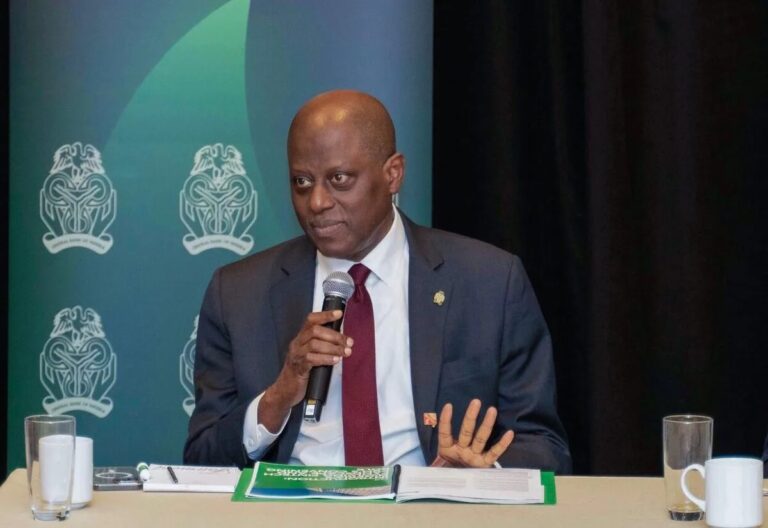
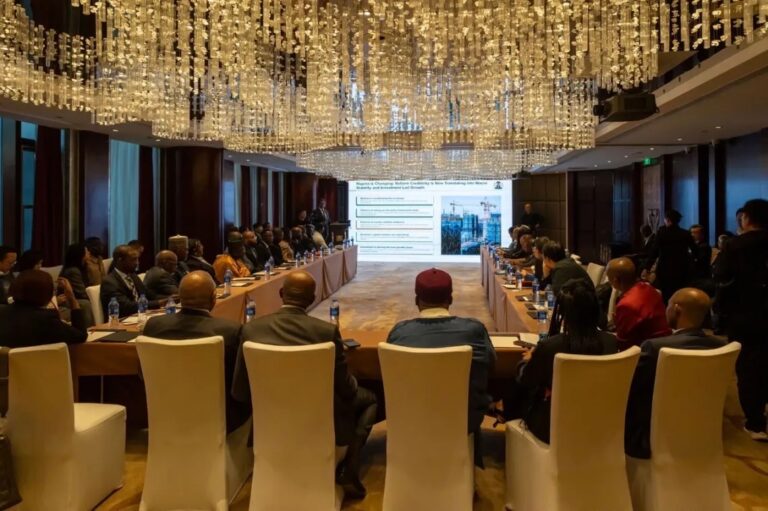
Speaking at the NSW stakeholders’ forum recently, the Minister of Marine and Blue Economy, Adegboyega Oyetola, said the implementation of the Single Window System will, in the long run, enhance efficiency and potentially reduce port costs by at least 25 percent.
According to him, the deployment of the Single Window System is set to substantially cut cargo clearance times at Nigerian ports by automating procedures and facilitating simultaneous approvals.
“This advancement tackles the persistent challenge of clearance delays by optimizing operations and boosting trade efficiency. Estimates suggest that once fully implemented, the system could slash average cargo clearance times at Nigerian ports by as much as 60 percent. This remarkable efficiency gain is expected to improve port throughput and strengthen Nigeria’s competitiveness in global trade.
“However, the implementation of the Single Window System can enhance efficiency, potentially reducing these costs by at least 25 percent. By streamlining operations, improving transparency, and minimizing delays, the system not only drives cost savings but also strengthens overall trade facilitation,” he said.
Other News
Conversely, he noted that the cumulative impact across all areas, including reduced costs, enhanced efficiency, and greater transparency, ultimately contributes to the overall ease of doing business, adding that the significance of this conference extends beyond fostering collaboration, dialogue, and alignment among key players within various sectors.
Meanwhile, the President of the National Council of Managing Directors of Licensed Customs Agents (NCMDLCA), Lucky Amiwero, explained that the NSW is distinct from NICIS I and NICIS II and other systems, which are only procedural frameworks rather than platforms with a single window.
According to him, rather than being complete integrated trade solutions, these systems function as process recommendations, adding that a true single window is about streamlining documentation and transactions into a single application, often referred to as a one-stop-shop.
“Unlike NICIS, which focuses on procedural checks, a single window ensures harmonized data exchange among all trade-related agencies. Similarly, ASYCUDA++, which I played a key role in introducing, was a Customs processing system, not an initiative of the Customs Service or the Federal Government. It was developed based on a proposal I authored, forming part of the broader push for destination inspection and digital trade facilitation,” he said.
Meanwhile, maritime expert Olusoji Akindele said that Nigeria needs to implement the NSW to boost efficiency and to be on par with other maritime nations in the world.
He said countries like Singapore and the Netherlands have demonstrated how Single Window systems can revolutionize port operations, elevating their status as global trade hubs, and Nigeria can achieve similar success by fully embracing the NSW initiative.
However, he said politics will be a critical success factor because the vested interests that have frustrated previous attempts will again attempt to ensure that the single window does not succeed so that their activities of economic sabotage will continue.
He warned that the vested interests, more persistent and interested in maintaining the status quo, pose a high-risk element that Mr. President should not tolerate.
According to him, there is a need to manage interagency rivalry and competition, improve synergies, and eliminate sabotage to ensure that the system succeeds.
Also speaking at the stakeholders’ NSW forum, Minister of State for Finance, Dr. Uzoka-Anite, stressed that the initiative would not only enhance the ease of doing business in the country but also attract foreign direct investment.
“In Indonesia, their NSW program was launched in 2007 to simplify trade, and since then, they have achieved significantly reduced clearance time. The average time for cargo clearance at ports dropped from seven days to just three days, and traders saved millions of dollars annually through reduced administrative costs and delays.
“In 2014, Vietnam introduced its NSW as part of broader trade facilitation reforms. The program enhanced trade efficiency by streamlining interactions with over 20 government agencies, reducing paperwork and manual processes.
“This, in turn, led to improved compliance and increased customs revenue. This ease of trading facilitated by their NSW helped Vietnam increase exports, particularly in manufacturing and agriculture. Such an impact would be significant for Nigeria as we continue to build our foreign reserves and strengthen the Naira.
“Here in Africa, Rwanda established its NSW in 2012 to promote regional and international trade, which has since resulted in speedier border crossing times, which decreased by 50 percent, thus boosting the movement of goods in Rwanda.
“The NSW reforms contributed to Rwanda becoming one of the fastest-growing economies in Africa and improved Rwanda’s trade within the East African Community (EAC),” the minister said.