Follow Us on Google
By Juliana Taiwo-Obalonye
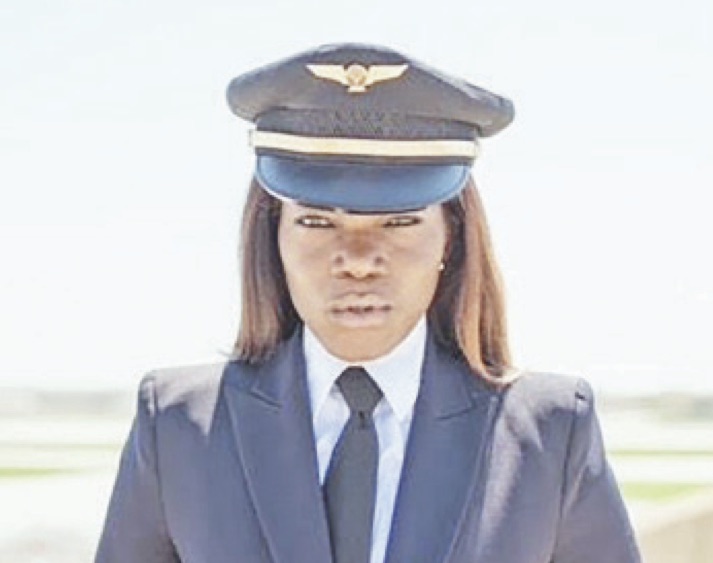
Capt. Adebanke Osilaja is the first Nigerian female pilot of the Dreamlifter Boeing 747-8AS aircraft. At the 2025 National Diaspora Merit Awards organised by the Nigeria in Diaspora Commission (NiDCOM), and held at the Presidential Villa recently, she was among the few Nigerians honoured for her outstanding achievements.
In this interview with Saturday Sun, she spoke about her journey into aviation and more.
What inspired you to pursue a career in aviation, especially as a Nigerian woman?
I grew up in the vibrant city of Ibadan, surrounded by a strong sense of community and culture. From a young age, I harboured a deep sense of curiosity about the wider world beyond my immediate environment. Our home had an encyclopaedia that became my window to the vastness of the globe. It contained detailed entries on countless countries, historical events, diverse cultures, and a wide range of topics that fascinated me endlessly. Immersing myself in those pages ignited in me a powerful desire—not just to learn, but to make a real difference.
That early exposure to global knowledge inspired a dream: to see the world firsthand and contribute to its betterment. I promised myself that no matter what career path I chose, it must be one that enabled me to travel extensively and actively work toward saving the world – whether through humanitarian efforts, environmental initiatives, or other impactful causes. To me, travelling for work is more than just a job; it is a continuous form of education, a way to learn directly from people and places, and to grow by contributing to solutions on a global scale.
Could you share the story of how you became the first Nigerian female pilot to fly the Dreamlifter Boeing 747-8AS?
My journey truly began after I completed my first degree when I decided to pursue further studies in the United Kingdom. I enrolled for my master’s degree at the University of Leicester, an experience that broadened my horizons both academically and culturally. While I was there, a remarkable opportunity came my way—I was offered a role with an airline based in the UK, Etihad Airways, where I worked as an aviation health instructor. This position was pivotal for me, as it laid the foundation for getting closer to my lifelong dream of working in aviation and exploring the world.
During this time, my curiosity about flying deepened. I frequently engaged with pilots, asking numerous questions about how different aspects of aviation functioned. Their insights fuelled my passion further. Not long after, I was fortunate to be mentored by a Canadian captain who took a keen interest in my aspirations. With his support, I was able to take my introductory flight in England, which marked a significant milestone. Shortly after, I relocated to the United States to pursue formal flight training, fully immersing myself in becoming a pilot.
After completing my training, I accumulated flight hours with the airline Arik Air here in Nigeria, and I am forever grateful for the support and platform it provided during those early stages. Arik Air gave many young pilots, including me, the chance to gain invaluable flight experience with just 350 hours of flying time. I want to especially acknowledge the great mentorship I received from Captain Adekunle, who was the Chief Pilot at the time. Alongside him, other mentors such as Captain Najomo and Captain Jolly Popper played crucial roles in guiding and shaping my career. Many of us in the aviation community stood on their shoulders, and their wisdom and encouragement were essential.
With enough flight hours under my belt, I returned to the United States and began working with Delta Connection. From there, my career expanded to another specialized airline that handles military flights for the United States Defence Department. Additionally, I had the prestigious opportunity to fly the Boeing Dreamlifter, a unique aircraft used to transport the massive parts of the Boeing 787 Dreamliner. There are only four Dreamlifters in the world, and being one of the few pilots trusted to fly this remarkable plane was a tremendous honour and a testament to the journey I had undertaken.
My aviation career has been an incredible learning experience filled with exciting opportunities, challenges, and growth. Though there have been numerous obstacles along the way, I’ve learned that perseverance and a commitment to continual learning are key. The journey continues, and each new chapter brings further chances to expand my horizons and contribute meaningfully to the world around me.
What were those stumbling blocks? I’m sure that you must have a lot of challenges.
Being a female pilot who is black and originally from Africa has presented me with unique challenges throughout my career, especially when flying in Nigeria. From the outset, I noticed that many people tend to put you in a box based on your gender and background. There is a common stereotype that pilots are predominantly male, and as a woman, especially a female pilot, many assume that I must either be super tough or adopt a more “macho” attitude to fit into that role. However, I firmly believe that I should be able to pursue any career or goal I desire without having to apologise for my femininity or who I am as a woman.
Throughout my journey, I have encountered biases and prejudices. Because I am black, African, and speak with an accent, I have sometimes been treated differently. These experiences can be discouraging, but I have learned not to let them define me or hold me back. Instead, I focus on overcoming these challenges through persistence, competence, and a positive mindset.
I often share this perspective with my mentees: challenges will always come, but the key is to confront them head-on, learn from them, and continue striving for excellence. No matter the obstacles, especially those related to race, gender, or background, the goal is to keep growing, improving, and winning. Your identity should be a source of strength, not a limitation.
How many mentees do you have?
I am privileged to have a significant number of mentees whom I actively support and guide, both in Nigeria and abroad. In Nigeria, I specifically mentor several aspiring and early-career pilots, many of whom are now proudly serving as female pilots within various Nigerian airlines. Watching these young women thrive and take to the skies is a source of immense pride and fulfilment for me, as it reflects the impact of dedicated mentorship and encouragement in an industry traditionally dominated by men.
In the United States, I extend my mentorship efforts to school-age children, many of whom have a passion for aviation but lack access to opportunities or guidance. Through a special summer programme sponsored by an airline in the US, I dedicate my time and energy to nurturing these young aviators. This programme focuses on providing them with educational resources, practical insights into the aviation industry, and encouraging their dreams of one day becoming pilots or pursuing other aviation-related careers.
Mentoring is deeply important to me because it allows me to give back to the community, empower the next generation, and contribute to shaping a more diverse and inclusive future in aviation. Whether it’s helping experienced pilots advance their careers or inspiring children to believe in their dreams, I find mentorship to be one of the most rewarding aspects of my journey.
You’ve had diverse flying experiences, including flying corporate and commercial air. What’s your approach to flying either corporate or commercial?
Let me take a moment to explain this part of my journey. I’ve had the opportunity to explore various facets of aviation over the years. For instance, I briefly worked in corporate aviation. I was fortunate to fly for Coca-Cola International based in Atlanta, and it was a tremendous experience to be part of such a renowned global company. Flying corporate jets offered a different pace and style of flying, and while I appreciated the opportunity and what I learned during that time, I realised that corporate aviation wasn’t truly the right fit for me.
In addition to corporate flying, I have also flown cargo aircraft, which comes with its own unique challenges and rewards — from tight schedules to the critical nature of transporting goods and freight. Each of these experiences contributed valuable skills and perspectives.
Currently, I am a passenger airline pilot, and for me, that role resonates the most deeply. Flying passengers is a distinct experience that goes beyond just operating an aircraft. There is a profound sense of purpose in knowing that I’m contributing directly to people’s lives — helping families reunite, enabling business connections, and supporting communities. The emotional and human dimension of passenger flights is something that I truly cherish.
In summary, though I have explored different aviation pathways, my passion clearly lies in flying passengers. It’s where I feel I can most meaningfully impact humankind and contribute something truly positive through my work.
Recently, I was honoured with the incredible opportunity to become a captain for one of the world’s largest airlines.
How does that feel, to captain one of the world’s largest airlines?
Although I am still relatively new to this prestigious role, I am deeply aware of the immense privilege and responsibility it carries. Achieving this milestone has been the culmination of years of hard work, perseverance, and unwavering support from many incredible people along my journey.
I will forever be grateful to everyone who stood by me, encouraged me, and believed in my potential even during moments of doubt. Among my strongest pillars of support is my husband—an invaluable source of love and encouragement. There have been times when the challenges felt overwhelming, when I found myself in tears or questioning if I truly belonged. I even wondered if people around me doubted or disliked me. But through it all, my husband reminded me gently yet firmly that it is not about seeking approval or being liked; it’s about showing up every day, giving my best, and doing my job with excellence and integrity.
Stepping into the role of captain has brought profound experiences in self-awareness, leadership, and personal growth. I know that the journey ahead will continue to shape me—not only to be a skilled and responsible captain in the cockpit, ensuring the safety and wellbeing of everyone on board, but also to be a positive role model and source of inspiration to many others, especially Nigerians aspiring to break barriers in aviation and beyond.
This opportunity is not just a career achievement; it represents a chance to give back, to mentor, and to lift others as I climb. I am committed to embracing every challenge, learning continuously, and leading with empathy and strength. As a captain, my goal is to soar with excellence while paving the way for future generations to believe that with determination and support, anything is possible.
Given your demanding career and busy schedule, how do you balance your professional life with your personal life? You mentioned your husband earlier. Do you have children?
No, I don’t have children yet. Many people outside the aviation industry aren’t aware that this career can actually offer a significant amount of personal time. One of the lesser-known aspects of being a pilot is the unique work schedule that provides extended periods off. For example, my current schedule usually involves working approximately 14 days each month, with two weeks on duty followed by two weeks off. This arrangement allows for a healthy work-life balance that many don’t realise is possible in such a demanding profession.
At this stage in my career, which I consider the pinnacle so far, I am working for the world’s largest airline. This organisation prides itself on flexibility and support, and they work closely with their pilots to ensure schedules accommodate both professional responsibilities and personal needs. Thanks to this system, I have far more than enough time to focus on my life outside work whenever I’m off duty.
So while the common perception is that aviation is all-consuming, the reality is that, especially with a supportive employer and structured roster, pilots can enjoy a balanced lifestyle with ample time to pursue personal interests, rest, and family life.
How has your experience been founding Avi Bran Aviation Consulting and working with ministries in Africa?
Absolutely, this is truly where my passion and legacy connects. Currently, we are actively engaged in discussions with key stakeholders in Nigerian civil aviation, including the Nigerian Federal Airports Authority (FAAN) and the Nigerian Federal Aviation Authority (NCAA). We have also brought in our trusted partners from the United States to collaborate closely on these initiatives.
Recognising Nigeria’s status as a giant within Africa’s aviation sector, we believe the country holds immense potential to elevate its aviation standards and infrastructure. My company, Avi Brian Aviation Consulting, is primarily focused on enhancing airport safety, particularly through the provision and implementation of advanced airport safety equipment. Safety is a paramount concern, and we are concentrating on introducing innovative safety engineering solutions designed to significantly improve operational standards across Nigerian airports.
This specific safety engineering project we are currently developing and discussing with the authorities will, without a doubt, position Nigeria at the forefront of aviation safety on the continent. While I must withhold detailed specifics at this time due to the sensitive and strategic nature of the project, I can confidently say that Avi Brian Aviation Consulting is working in close partnership with our American and European collaborators to bring world-class expertise and technology into Nigeria.
Our ongoing talks with the Nigerian Federal Aviation Authority are promising, and we are committed to supporting Nigeria in achieving safer, more efficient, and internationally competitive aviation infrastructure—ultimately leaving a lasting legacy for the country’s aviation industry.
What are some of the memorable defining moments of your career?
A defining moment in my career came early on when I obtained my private pilot licence. This achievement was incredibly significant because it marked the very first time I was officially certified to fly an aircraft independently. The sense of accomplishment and validation I felt on that day will always remain vivid in my memory—it was a crucial milestone that fuelled my passion and commitment to aviation.
Another landmark moment came when I successfully completed my training and received a job offer from American Airlines, the largest airline in the world. Joining such a prestigious carrier represented not only a personal triumph but also a pivotal step in my professional journey. It was a testament to the hard work, dedication, and resilience that I invested throughout my training and career development. This opportunity opened doors to new challenges and experiences that have continually shaped me as a pilot.
In addition, I am honoured to have been among a very select group of pilots worldwide—beyond just those certified by the FAA—who have had the extraordinary privilege of flying the Boeing Dreamlifter. This massive, specialized cargo aircraft plays a critical role in transporting parts for the Boeing 787 Dreamliner, and piloting such a unique and complex plane was both a remarkable responsibility and a defining highlight in my aviation career.
What are the changes you would like to see in the aviation industry regarding gender equality and opportunities for African women?
It is essential that we dismantle the myths and misconceptions surrounding female pilots. For example, some believe that choosing to be a pilot means sacrificing family life—that you cannot marry or have children and still pursue a fulfilling career in aviation. That is simply not true. I personally know many female pilots who manage both their family responsibilities and their demanding careers successfully. Aviation can be both a deeply honourable and rewarding career and one that supports a balanced personal life.
Our efforts in mentorship and outreach serve to give young girls positive exposure to aviation—a sector where they often have little visibility or role models. By showing them real examples of women flying planes, leading in the cockpit, and thriving both personally and professionally, we provide them with tangible proof that their dreams are achievable. This positive exposure is transformative. It helps change mindsets, breaks down barriers, and ultimately fosters a generation of confident young women who see aviation as a valid and exciting career option.
When women are empowered to lead and influence their industries, the benefits ripple quickly and widely. Research and countless examples show that having women in leadership roles not only advances gender equity but also leads to more inclusive, compassionate, and effective decision-making that benefits society as a whole.
As a trailblazer in Nigerian and African aviation, I see my role as far more than just having reached personal milestones. I strive to be a beacon of inspiration and encouragement for the upcoming generation of female aviators. It’s not about accolades, awards, or recognition; those are fleeting. What truly matters is legacy—the lasting impact we leave on the people who follow.
When young girls from all walks of life—whether from Ibadan, Lagos, or beyond—look at my journey and see someone who came from a similar background and achieved these heights, it offers them hope and motivation to keep pushing forward. If someone like Banke from Ibadan can break barriers and soar to great heights, then they can too. This legacy of possibility, empowerment, and breaking norms is what I am most passionate about leaving behind for future generations of women in aviation in Nigeria, Africa, and around the world.
What does the national merit award recently bestowed on you by NIDCOM mean to you?
Regarding the award I received, I always like to bring the conversation back to what it truly represents for me. I am deeply grateful and humbled by the recognition. While I have sometimes been encouraged to celebrate my own achievements more openly, I admit that I tend to be modest about such things. Still, receiving this award has been a significant source of motivation. It reminds me not only of how far I have come but also of the responsibilities that come with such recognition.
This honour fuels my passion and determination to create meaningful, impactful change within the aviation industry, particularly in Nigeria’s aviation system, where I see immense potential for growth and improvement. To me, this award is more than a personal accolade—it is a call to action. It embodies the principle that to whom much is given, much is expected. With this motivation, I am committed to pushing harder, working smarter, and contributing even more to the advancement and modernization of aviation in Nigeria.
Ultimately, this recognition inspires me to continue striving for excellence, to lead by example, and to support the next generation of aviators. It reinforces my dedication to making a lasting, positive difference in the industry I love.