Follow Us on Google
…Stakeholders seek higher crude allocations for local refining
By Chinelo Obogo
The 2026 Middle East conflict, which broke out in late February and led to the closure of the Strait of Hormuz, rattled global energy markets, disrupted fuel supply chains and triggered shortages across Africa, Asia, and Europe.
In Nigeria, there was a reverberating effect. The cost of kerosene surged from N900 to over N2,000 per litre. Aviation fuel increased from N900 per litre in February 2026 to N3,300 in mid-April, according to the Airline Operators of Nigeria (AON) who were furious about this and accused fuel marketers of exploitation.
The Dangote Refinery, which ought to have provided some respite, also faced a shortfall of domestic crude supply.
Between October 2025 and March 2026, it experienced a deficit of 79.53 million barrels against its requirements, forcing it to import from other producers. The AON said they were spending over N7 million on fuel alone for a single domestic flight, as the increase in the cost of aviation fuel raised fresh concerns over the viability of their operations.
How domestic carriers are coping
One of the decisions domestic airlines took was to raise the base fare to N200,000, though flight tickets can still be purchased at a lower cost depending on the airline and time of travel. Another cost cutting decision some of them took was to reduce flight frequencies.
Air Peace was among the first to announce that it had temporarily reduced the frequency of its Abuja–London flight service from daily operations to just three flights per week due to ongoing aviation fuel supply constraints. The change took effect immediately and will remain in place until 1 July 2026, when the airline expects to resume normal daily flights if fuel conditions improve.
In a statement to passengers, the airline was direct: “Due to the current Jet A1 (aviation fuel) supply constraints affecting flight operations nationwide and around the world, we wish to inform you that our Abuja–London service has been temporarily adjusted to three weekly flights until 01 July 2026.”
Ibom Air’s Group Marketing Manager, Aniekan Essienette, said the airline was doing everything possible to maintain operations but may be forced to take mitigating actions, including capacity reductions, if necessary. The airline added that despite the sharp increase in operating costs, many carriers have been unable to raise ticket prices proportionately due to concerns about passenger affordability. As a result, operators have had to absorb significant losses in the hope that the situation would improve. “ She said: The fuel situation is a very severe crisis for Nigeria’s domestic airlines. We are doing everything we can to keep operating, but it is clear that the current conditions are unsustainable. We chose to do this believing that the crisis would pass in a week or two, but it has persisted now for nearly two months, continuously increasing, with no reprieve in sight,” the airline said.
Other News
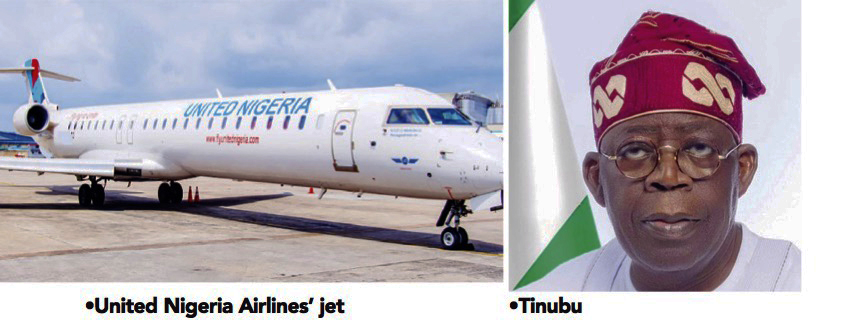
United Nigeria Airlines (UNA) has had to postpone the commencement of their Jos and Kaduna routes over the scarcity of aviation fuel and the carrier’s chairman, Prof. Obiora Okonkwo, who is also the spokesperson of the AON, has been very vocal about the challenges airlines are passing through and the urgent need for government intervention.
Rano Air, one of the newer entrants into Nigeria’s domestic aviation market, announced a reduction in flight operations last month, explaining that the decision to suspend some operations was not taken lightly as that the worsening fuel situation had placed enormous strain on the entire aviation industry.
Government’s response
The Nigerian Midstream and Downstream Petroleum Regulatory Authority (NMDPRA) announced that aviation fuel should sell for N1,760–N1,988 per litre in Lagos and N1,809–N2,037 per litre in Abuja, based on benchmarks from April 17 to 23, 2026. However, the government reversed its decision to cap jet fuel prices, saying aviation fuel prices should be set by market forces under its deregulated fuel policy.
Shortly afterwards, President Bola Tinubu approved 30% relief on airlines’ debts to aviation agencies and ordered fuel marketers, airlines, and regulators to agree on a “fair” fuel price. However, the AON feels more can be done to help the airlines especially as regards the high cost of charges they still have to contend with.
Stakeholders weigh in
While the aviation fuel crisis persists, the Aviation Safety Roundtable Initiative (ASRTI/ART), led by its president, Air Commodore Ademola Onitiju (rtd) said that the government’s interventions to date have amounted to little more than a costly and hollow exercise that has left the industry no better off.
ASRTI acknowledged that Jet A1 fuel prices have remained between N1,650 and N2,037 per litre, which it said has pushed fuel to nearly half of total airline operating expenses and forced domestic carriers to raise fares to levels that many Nigerians can no longer afford. But its major criticism was directed at the government’s relief measure.
The ASRTI proposed a solution where crude oil will be allocated directly to local refiners in a “Fuel-for-Stability Programme” that, in its view, would eliminate the N60 billion waste, reduce the government’s cost exposure, and create a stable fuel-pricing structure that immediately transforms the economics of the sector. ASRTI argued that this approach has proven international precedents, citing India which it said has achieved some of the lowest domestic fares in the world and explosive traffic growth by stabilising fuel supply and prioritising structural reforms. Turkey, Indonesia, and Brazil, the group said, also transformed their aviation sectors by focusing on affordability, volume growth, and efficiency, not by piecemeal interventions that deliver no lasting value.
It said: “The Federal Government has already given away N60 billion in invoice discounts to airlines with no measurable benefit to the industry or the travelling public. The defects are palpable! Jet A1 prices has remained unchanged. Airline debts have not reduced. Neither have we seen passengers enjoy cheaper fares. The cargo logistics, tourism and hospitality sectors have not experienced growth. The aviation ecosystem, airlines, agencies, concessionaires, ground handlers, received no structural relief from that hollow N60 billion largesse.
“Whether the final feasible fuel price is N300 or slightly above is not the issue. The grand strategy is to emplace a stable, predictable supply of crude to local refiners in order to dramatically lower operating costs, enable lower fares, higher passenger traffic, more profitable airlines, stronger aviation agencies, and a healthier fiscally backed ecosystem.”