Follow Us on Google

• NDDC set to commission Niger Delta’s longest bridge Nov
By Vincent Kalu
For decades, life in Andoni has been dictated by the tides.
Missing a boat at Kaa in Khana Local Government Area could mean spending hours waiting to cross to Ataba in Andoni Local Government Area. Whether transporting fish to markets in Bori or rushing a sick child to the hospital, residents often had to depend on the tides and the availability of a willing boatman.
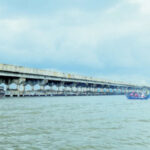
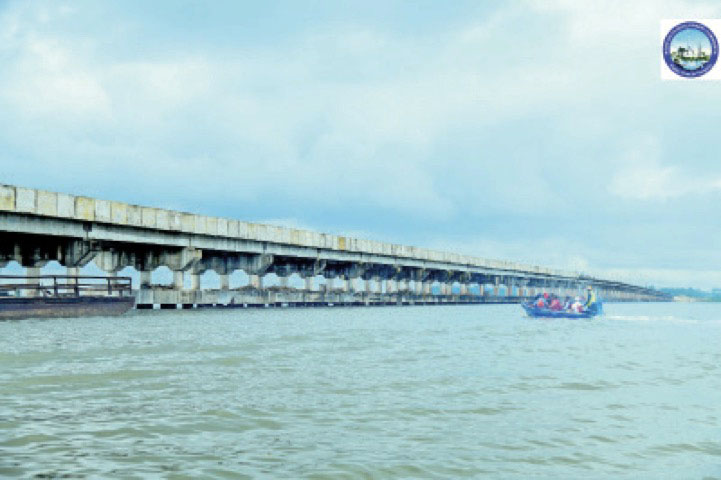
But that reality is about to change; and the nightmares of the people are coming to end, as the Niger Delta Development Commission (NDDC) is putting the finishing touches to the 1.2-kilometre Kaa-Ataba Bridge, described as the longest bridge in the Niger Delta. With the project nearing completion, journeys that once required lengthy boat crossings could soon be completed within minutes by road.
More than an engineering feat, the bridge represents a major turning point for communities separated for generations by tidal waters. It promises to connect isolated settlements to essential services, improve access to markets and reduce the losses associated with transporting perishable goods across the river.
An inspection of the project last week showed that final alignment and pavement works were progressing towards completion. The project comprises a two-kilometre, dual-lane road and two bridges. The main bridge measures 1.2 kilometres and has 57 piers, while the second bridge is 250 metres long, supported by 15 piers.
For the NDDC, the project represents a shift from groundbreaking ceremonies to the delivery of completed infrastructure capable of transforming lives and stimulating economic growth across the Niger Delta.
Minister of Regional Development, Abubakar Momoh, who inspected the project alongside the NDDC Managing Director, Dr. Samuel Ogbuku; Executive Director, Projects, Dr. Victor Antai; and Executive Director, Corporate Services, Hon. Ifedayo Abegunde, said the bridge demonstrated the Federal Government’s determination to accelerate development in the region.
“I have good news to transmit to Mr. President. I am hopeful that Mr. President will commission the project in November,” Momoh said.
He commended the NDDC Board and Management for responding to President Bola Tinubu’s directive to deliver projects with tangible benefits for the people.
Ogbuku assured that the Commission would take the necessary steps to ensure that the contractor met the delivery schedule, despite delays caused by adverse weather conditions.
For residents of Kaa, Ataba and neighbouring communities, the bridge is expected to improve access to schools, hospitals and markets, particularly during periods when navigating the waterways becomes difficult.
Antai said the project reflected the Commission’s transition “from transactional to transformational” development, in line with President Tinubu’s Renewed Hope Agenda, which seeks to connect communities and unlock economic opportunities.
The contractor, Christian Emeozor, an engineer, put the level of completion at 95 per cent, expressing confidence that the project would be delivered within weeks.
For residents who have endured the challenges of river crossings for years, the prospect of a completed bridge has generated considerable excitement.
A community leader in Ataba, Mr. James Akpotor, said the project would address longstanding challenges involving transportation, education and access to healthcare.
“We have buried people waiting for boats. We have lost perishable farm produce because we couldn’t cross. This bridge means our children can go to school and come back safely,” he said.
A fish seller, Mrs. Edna Ikuru, said the bridge would help traders transport their products to urban markets in better condition while reducing the cost of preserving them.
“My fish will reach the urban markets fresh. No more ice, no more losses. God will bless the NDDC leadership,” she said.
For commercial motorcycle operators, the bridge also offers the prospect of increased patronage and improved earnings.
Mr. Johnbull Shedrack, a commercial motorcycle rider in Kaa, said the road connection would make transportation between the two communities faster and more affordable.
“When this bridge opens, we will ride straight to Ataba and charge half the fare, and our business will double,” he said.
Beyond easing transportation, the economic implications of the bridge could extend across Andoni and neighbouring areas. By opening up access to fishing settlements, the road is expected to facilitate the movement of seafood, reduce post-harvest losses and lower transportation costs for farmers who currently depend on boats to move agricultural inputs, including fertilisers.
The improved road connection could also strengthen commercial links with other parts of Rivers State, including Bonny Island, creating opportunities for trade, investment and the expansion of local businesses.
The second-in-command to the Paramount Ruler of Ataba Kingdom, Chief Idan-Owaji Erasmus, applauded the NDDC for the project and pledged the community’s cooperation to ensure its timely completion.
For communities across the Niger Delta, where rivers serve both as lifelines and barriers to development, the Kaa-Ataba Bridge represents more than a new transport route. It offers the prospect of easier movement, stronger commercial connections and improved access to opportunities that have remained out of reach for generations.
When commissioned, the bridge could mark the beginning of a new chapter for Kaa, Ataba and the wider Andoni area – one in which the river no longer dictates the limits of economic activity, mobility and social development.