Follow Us on Google

•Marketers fear fresh hike, refiners slam FG
By Adewale Sanyaolu
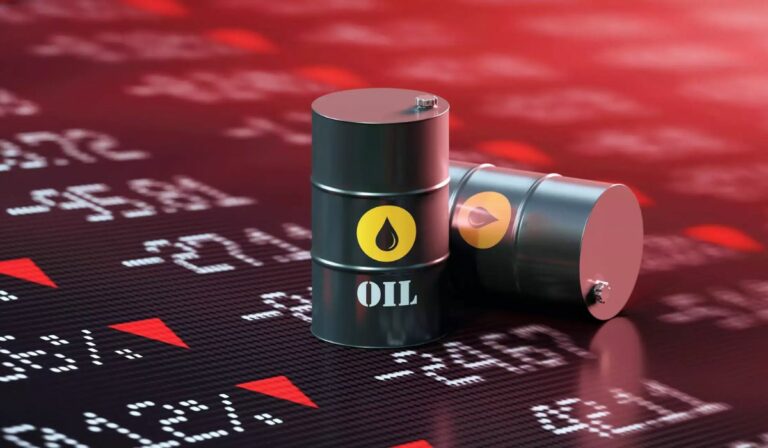
Petrol price across the Nigerian downstream market is set for further rise in the new week as the Strait of Hormuz remains heavily restricted, with the United States of America tightening its blockade and Iran maintaining control over vessel movements.
With no clear resolution in sight, hopes of a price crash are fading fast, leaving consumers and businesses facing sustained pressure from higher fuel costs in the near term.
Some of the market analysts who spoke to Daily Sun in separate interviews on Sunday said the tightening of the market has broader implications for the cost of refined petroleum products.
Publicity Secretary of the Crude Oil Refiners Association of Nigeria (CORAN), Mr.Iche Idoko, said the rise in the price of crude oil to over $100 per barrel is a bad one, considering the fact that this will translate to higher cost of petrol in the coming week.
He explained that in Abuja the price of petrol is now selling for N1,390 per litre, saying this new week and considering developments in the Middle East, prices will climb above N1,500 per litre. He raised concern over rising fuel prices in the country, attributing the development to global oil market instability and domestic supply challenges.
Idoko linked the recent upward pressure on petroleum product prices to tightening global oil dynamics, including geopolitical tensions and policy shifts that have constrained crude supply flows.
He lamented over what he described as inadequate cushioning measures by the government, warning that the situation is worsening the economic burden on citizens as the gap between income levels and the cost of living continues to widen
“The market is reacting to global supply uncertainties, and we are seeing a clear pass-through effect on domestic fuel prices,” he said.
He further pointed to ongoing geopolitical tensions involving major oil-producing regions as a contributing factor to supply instability.
Idoko called for urgent policy interventions to stabilise the downstream sector, including increased crude production, improved output from modular and private refineries, and stronger incentives for local refining operations.
He also advocated for a structured domestic pricing framework that reflects local production realities while protecting consumers from extreme price shocks.
Other News
According to him, without coordinated action from relevant economic and energy authorities, fuel prices may remain elevated or experience further increases in the near term.
“The situation requires immediate attention from the government’s economic team. There must be deliberate efforts to boost domestic supply and strengthen refining capacity,” he added.
CORAN warned that the current trajectory underscores deeper structural challenges in Nigeria’s energy sector, particularly in refining capacity and policy coordination, urging stakeholders to act swiftly to prevent further economic strain on households and businesses.
Meanwhile, two months after the Iran war began, the Strait of Hormuz remains severely restricted for tanker traffic while U.S. President Donald Trump faces a key legal deadline at home under the 1973 War Powers Resolution.
As of early Friday, May 1, the deadlock at the world’s most vital oil chokepoint, the Strait of Hormuz, doesn’t appear close to being resolved. The U.S. is doubling down on the naval blockade outside the Strait aimed at stopping Iranian oil exports.
But Iran controls most vessel movements through the lane and is increasingly defiant that it wouldn’t give up control over the passage that used to handle a fifth of daily global oil and LNG flows before the war.
In a message last Thursday, Iran’s new Supreme Leader Ayatollah Mojtaba Khamenei, who hasn’t been filmed or recorded since he was elected in early March after his predecessor, and father, was killed suggested that the only place of the U.S. in the Persian Gulf is “at the bottom of its waters.”
Meanwhile, under the 1973 War Powers Resolution, President Trump is required to terminate any use of U.S. Armed Forces within 60 days after submitting a report of a war to Congress if Congress has not authorised the military action, which it has not.
The 60-day deadline expires on Friday, and could be extended by the President by no more than 30 days.
U.S. Defense Secretary, Pete Hegseth, argued that the U.S.-Iran ceasefire “has stopped the clock” on that deadline count, while House Speaker, Republican Mike Johnson, said, “We are not at war.”
Regardless of how the Trump Administration and Congress handle this legal provision, there appears to be no resolution in sight to the deadlock at the Strait of Hormuz, which has led to the loss of hundreds of millions of barrels of crude since the war began.