Follow Us on Google
Africa’s push to expand digital financial inclusion could face challenges if electronic payment services remain costly for ordinary users, as the affordability of transactions emerges as a key requirement in assessing the inclusivity of instant payment systems across the continent.
AfricaNenda Foundation, through its Instant Payment Systems (IPS) Inclusivity Spectrum, has identified low transaction costs as one of the conditions for building payment systems that serve individuals, small businesses and other users effectively.
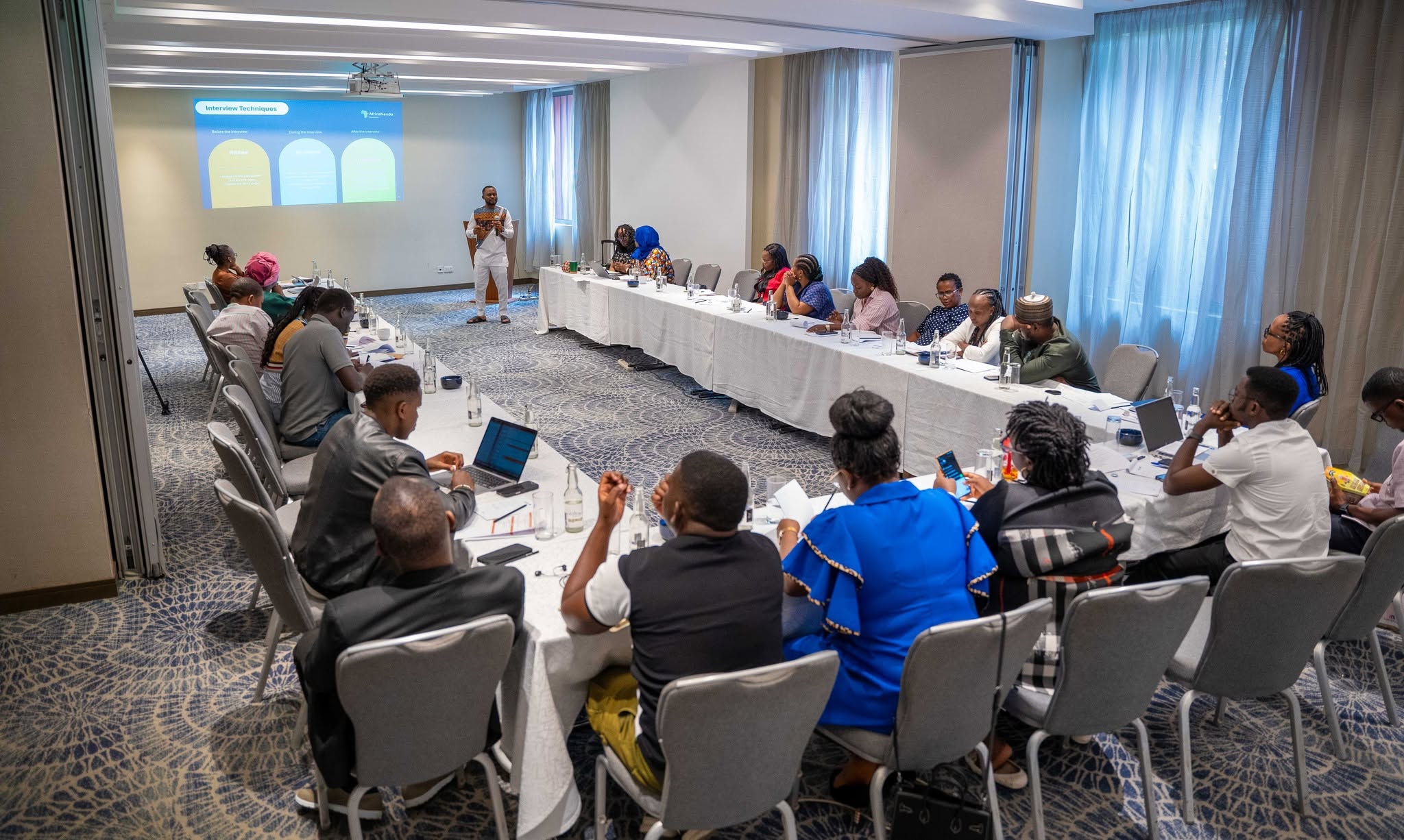
The framework was outlined by Serge Moungnanou Ambadiang, Partnership, Advocacy and Capacity Building Specialist at AfricaNenda Foundation, during a media training organised by the foundation in Nairobi, Kenya.
According to Ambadiang, inclusive instant payment systems should enable low-value, low-cost transactions in near real-time, allowing people and businesses to transfer money conveniently through digital channels.
At the mature level of inclusivity, payment systems are expected to operate on cost-recovery or not-for-loss principles, ensuring that transaction charges remain as low as practicable for end users.
The framework places affordability alongside other requirements, including interoperability, broad participation by licensed payment service providers, consumer protection and access to effective complaint-resolution mechanisms.
The emphasis on transaction costs reflects the importance of making digital payments practical for people who frequently send or receive small amounts of money.
For low-income earners and small businesses, the cost of using digital payment services is an important consideration in deciding whether to rely on electronic transfers or continue using cash.
AfricaNenda’s framework also identifies person-to-person transfers and person-to-business payments as minimum use cases for basic inclusivity.
Ambadiang noted that domestic long-distance transfers can be particularly important in encouraging the adoption of digital payments, as cash transactions may involve transportation expenses and safety concerns.
At the progressed level, payment systems are expected to accommodate all licensed payment service providers, including commercial banks, mobile money operators, microfinance institutions and fintech companies.
This arrangement supports interoperability by allowing different providers to participate in a shared payment ecosystem rather than operating in isolated networks.
The mature level extends the range of transactions to include payments involving individuals, businesses and government institutions, helping to facilitate the circulation of money through digital channels.
Consumer protection is another requirement, with systems expected to provide appropriate mechanisms for resolving disputes and comply with applicable data privacy and cybersecurity laws.
AfricaNenda’s assessment classified Nigeria’s NIBSS Instant Payment System as the only African instant payment system to have attained the mature level of inclusivity as of 2025.
The presentation placed 10 systems at the progressed level, 15 at the basic level and 10 in the unranked category.
While the framework provides criteria for assessing affordability, it does not establish that high transaction charges are currently undermining digital payment adoption across all African countries.
Rather, it identifies keeping costs as low as practicable as a key consideration in ensuring that instant payment systems remain accessible to their intended users.
For African countries seeking to expand digital financial inclusion, the challenge is therefore not only to make electronic payments available, but also to ensure that the services are affordable, interoperable and supported by effective consumer safeguards.