Follow Us on Google
By Doris Obinna
Hepatitis is a growing global health threat, causing over a million deaths each year. In Nigeria, it is estimated that about 20 million people live with chronic hepatitis B or C. Despite being preventable and treatable, hepatitis continues to claim more lives annually, highlighting the urgent need for increased awareness, prevention, and access to care.
July 28, every year, the world confronts this largely silent, yet devastating health crisis. Experts revealed that this group of infectious diseases; ranging from hepatitis A to E has continued to claim lives despite being preventable, treatable, and in many cases, curable.
According to World Health Organisation (WHO), World Hepatitis Day isn’t just another date on the global health calendar, it’s a call to action, a chance to amplify voices often unheard, and a reminder that awareness saves lives; from the remote villages of sub-Saharan Africa to urban hospitals in developed nations, hepatitis quietly erodes health systems, with many people unaware they are even infected until it’s too late. It estimates that 354 million people currently live with chronic hepatitis B and C globally.
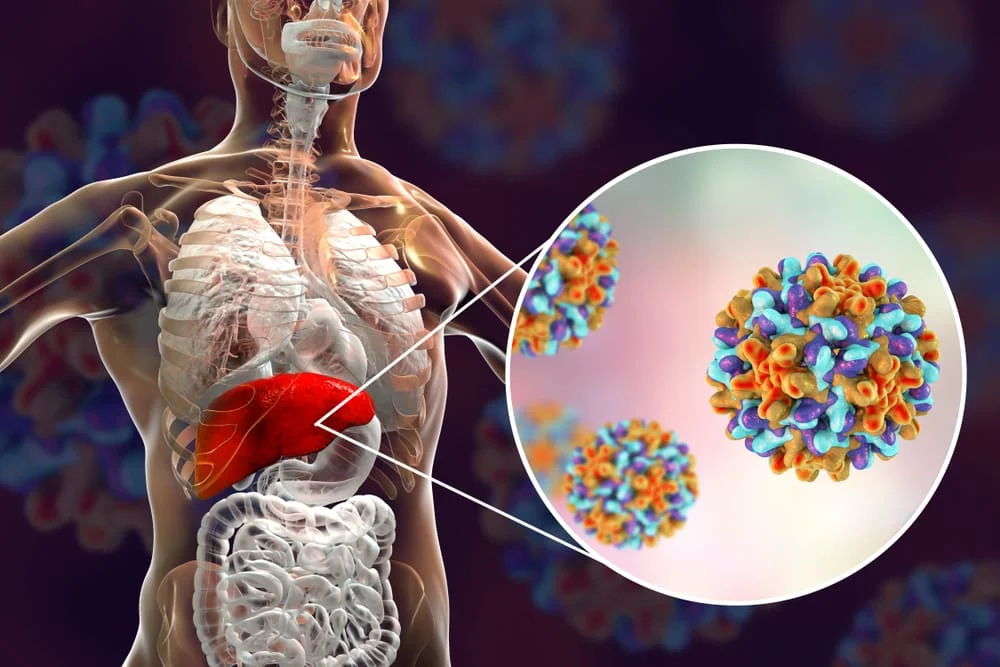
Hepatitis is an inflammation of the liver. It may be caused by viral infection, alcohol consumption, several health conditions, or even some medications.
As Nigeria, on Monday, July 28, 2025, joined the rest of the world to commemorate the World Hepatitis Day, with the theme: “Hepatitis: Let’s Break It Down,” experts described the disease as a silent but deadly one, while urging the public to get tested and vaccinated.
Speaking, Commissioner for Health, Prof. Akin Abayomi, disclosed that viral hepatitis affects millions globally and has become a silent epidemic in Nigeria. He revealed that hepatitis B and C, the most dangerous forms, are responsible for chronic liver disease, cirrhosis, and liver cancer, often without showing symptoms until it’s too late.
Highlighting data from the 2018 Nigeria HIV/AIDS Indicator and Impact Survey (NAIIS), the Commissioner said over 16 million Nigerians live with hepatitis B, and over two million with hepatitis C, noting that the 2016 baseline survey in Lagos revealed five per cent and one per cent prevalence for hepatitis B and C respectively.
Abayomi emphasized that hepatitis is both preventable and treatable; and in the case of hepatitis C, curable. He said the state’s efforts were geared toward the global target of eliminating viral hepatitis by 2030, through a four-pronged approach: prevention, testing, treatment, and awareness.
Awareness campaign
According to him, the state launched a state-wide awareness campaign using radio, TV, social media, and community engagement platforms to educate Lagosians. “We are demystifying hepatitis and encouraging residents to know their status and take action.”
“In addition, the state is offering free Hepatitis B and C screening and limited vaccination across general hospitals; Lagos State University Teaching Hospital (LASUTH), and designated Primary Health Centres (PHCs) in all 57 Local Government Areas (LGAs) and Local Council Development Areas (LCDAs). Priority is given to health workers and pregnant women.”
Vaccination against hepatitis B, he stated, has already been integrated into routine newborn immunization schedules, and all pregnant women are being screened during their first antenatal clinic visit to prevent mother-to-child transmission.
To strengthen treatment access, he disclosed that staff at all secondary health facilities have been trained to manage viral hepatitis, and efforts are ongoing to ensure affordable antiviral drugs, especially direct-acting antivirals for hepatitis C.
Prevention
WHO’s Global Health Sector Strategy on HIV, viral hepatitis and sexually transmitted infections (2022-2030) outlines clear targets to eliminate viral hepatitis as a public health problem. The strategy aims to reduce new hepatitis infections to 520 000 cases annually and hepatitis-related deaths to 450 000 by 2030, which represents a 90 per cent reduction in incidence and a 65 per cent reduction in mortality compared to 2015.
It revealed that without urgent and sustained action, however, viral hepatitis is projected to cause an additional 9.5 million new infections, 2.1 million liver cancer cases, and 2.8 million deaths by 2030. “These outcomes are largely preventable through the scale-up of hepatitis B vaccination, improved access to prevention, testing and treatment for hepatitis B and C, and targeted public education campaigns to raise awareness and reduce transmission.”
Meanwhile, the Commissioner revealed that the state enforces strict infection control protocols in public and private health facilities, including safe blood transfusion practices and proper sterilization of medical equipment.
Other News
He assured that blood banks are closely monitored, stating that only blood screened for transmissible infections like hepatitis and HIV is accepted. “Our goal is zero-risk transfusion,” he declared.
He further stated that Lagos is also aligning with the national campaign tagged “365 Days to Break Down Hepatitis-Constituency by Constituency,” which will implement awareness and testing activities in every federal constituency over the next year.
Abayomi reiterated that Lagos was the first state to establish a dedicated government budget line for hepatitis control. “Other achievements include training 433 health workers, providing access to HCV viral load testing, and treating 100 patients under a Clinton Health Access Initiative partnership.”
He also launched his personal message to residents; a “Letter to Lagosians on Hepatitis,” which underscores individual responsibility to test, vaccinate, and avoids risky practices such as sharing needles or having unprotected sex.
He encouraged the public to visit the nearest PHC or General Hospital to check their status and receive the hepatitis B vaccine if eligible. “Together, we can build a Hepatitis-free Lagos.”
Dismantling barriers
WHO Regional Director for Africa, Dr Mohamed Janabi, in his 2025 message to commemorate the World Hepatitis Day, said: “we turn our attention to a crisis that remains dangerously under-recognized; the continued toll of viral hepatitis across the African continent. This year’s theme challenges us to dismantle the many barriers; medical, structural and social that prevent millions from accessing the care they need.
“More than 70 million people in the WHO African Region are living with chronic hepatitis B or C. Every statistic is a person whose future is under threat from a disease that is both preventable and treatable. Yet, less than one in 10 has been diagnosed or is receiving treatment.
“Our region bears a disproportionate burden. We account for 63 per cent of all new hepatitis B infections globally, a reflection of deep and persistent inequities in access to vaccination, testing and treatment. Too many people continue to face stigma, misinformation and delayed or missed opportunities for prevention and care.
“When left unchecked, viral hepatitis leads to liver cancer, liver failure and premature death and devastating outcomes that we can and must prevent. We know that progress is possible. Across the region, more countries are now integrating hepatitis services into HIV, maternal and primary health care programmes. Community health workers are reaching families with information and support. And national campaigns are helping reduce stigma and raise awareness.
“As WHO, we are proud to support these efforts. We are working with countries to scale up access to affordable testing and antiviral treatment, to introduce the hepatitis B birth-dose vaccine, and to strengthen primary health care so that no one is left behind.”
Call to action
While calling for collective action, Abayomi said: “To eliminate hepatitis, we need everyone on board, from healthcare workers to religious leaders, parents, teachers, and our friends in the media. No one must be left behind.”
He stressed that with sustained awareness and action, Lagos can become a model for viral hepatitis elimination in Nigeria and encouraged the public to visit the nearest PHC or general hospital to check their status and receive the hepatitis B vaccine if eligible. “Together, we can build a Hepatitis-free Lagos.”
Meanwhile, Janabi added that to effectively break down hepatitis in the African Region, “we must: Ensure that every child receives the hepatitis B birth dose, ideally within 24 hours of birth as well as integrate hepatitis testing and treatment into routine primary health care.
“Also, secure sustainable domestic financing to support national hepatitis plans, combat stigma and misinformation through public education and community-led engagement, protect people living with hepatitis from discrimination in health care, employment and society.
“Governments have a central role to play. It is time to prioritize hepatitis elimination in national health agendas, and to put in place the policies and systems needed to deliver care at scale. We also call on international partners to step up support so that every country can access the tools, technologies and treatments required to end this epidemic.
“On this World Hepatitis Day, let’s remember that behind every number is a name, behind every challenge is an opportunity, and behind every barrier is the potential for change. We have the knowledge. We have the tools. What we need now is the will. Together, we can break down hepatitis, and build a healthier, more hopeful future for all Africans.”