Follow Us on Google
From Idu Jude, Abuja
The Minister of Health and Social Welfare, Prof Ali Pate, civil society organisations (CSOs), and other public health stakeholders have rallied the Senate for an upward review and restructuring of the Sugar-Sweetened Beverage (SSB) Tax.
They seek a shift from the current specific excise of N10 per litre on sugary drinks to a stronger ad valorem, percentage-based system that raises the overall rate and secures dedicated revenue for strengthening Nigeria’s health sector.
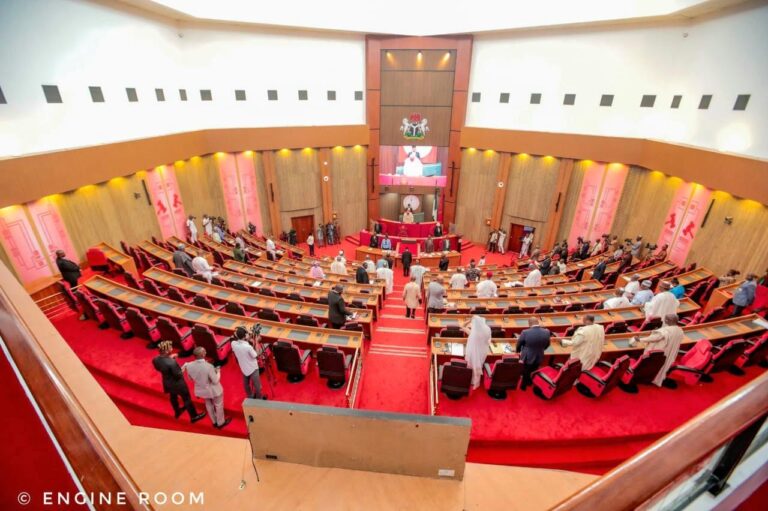
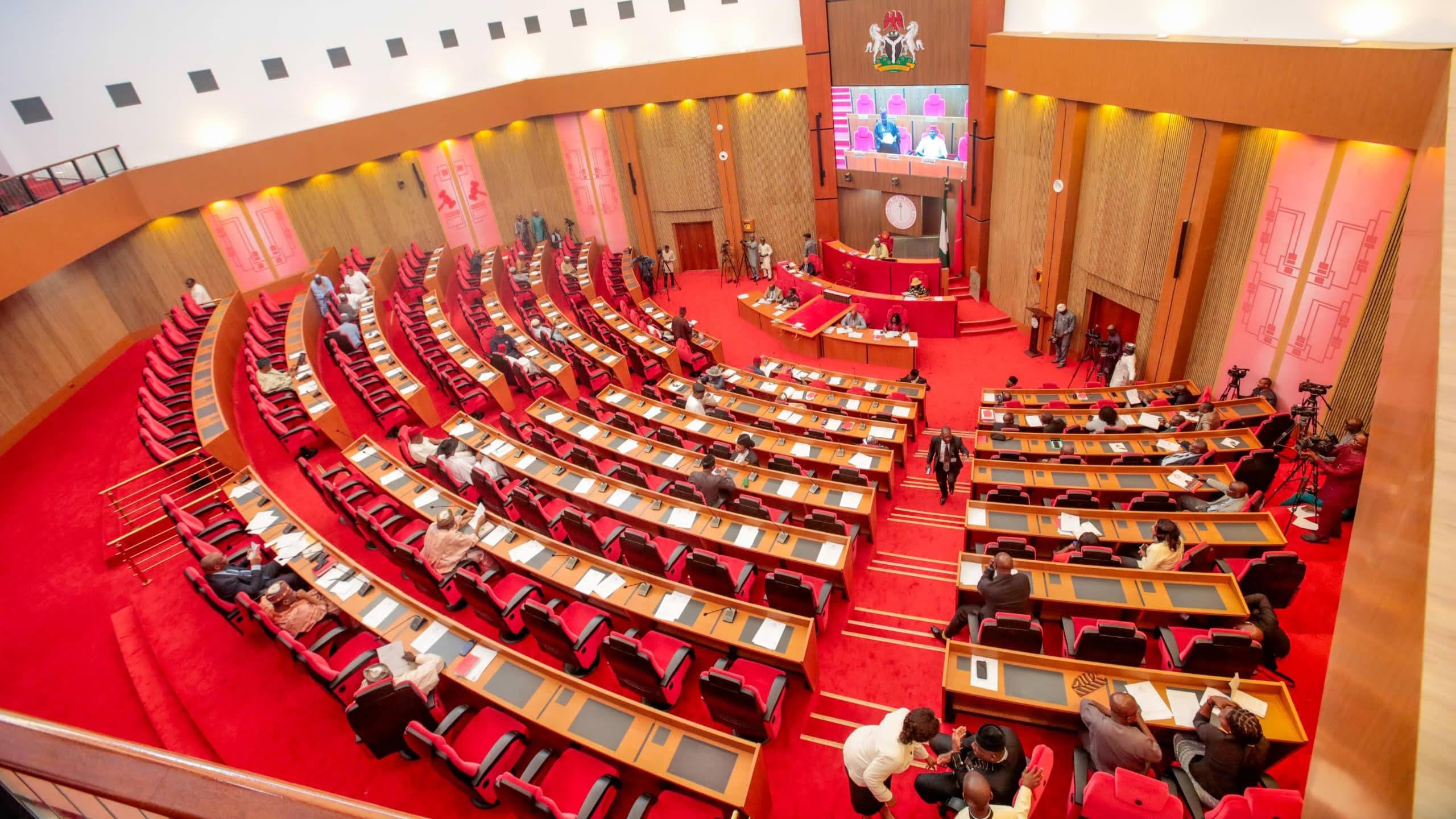
Speaking at a public hearing in Abuja organised by the Senate Joint Committee on Finance, Customs and Excise, stakeholders highlighted a surge in non-communicable diseases (NCDs) linked to excessive consumption of sugary drinks and unhealthy diets. Diseases such as diabetes, stroke, obesity, and heart disease—once considered rare—are now among the leading causes of premature death.
The hearing focused on a bill sponsored by Senator Ipalibo Harry Banigo: “Bill for an Act to Amend Section 21(3) of the Customs, Excise Tariffs, Etc. (Consolidation) Act to Replace the Fixed Ten Naira (₦10) Per Litre Excise Duty on Non-Alcoholic, Carbonated Sugar-Sweetened Beverages with a Percent Levy Per Litre of the Retail Price and to Provide for the Earmarking of a Portion of the Revenue for Health Promotion and Disease Prevention Programmes.”
Senator Adeniyi Adegbomire (SAN), representing Senate President Godswill Akpabio, called the bill an important step for public health. Echoing Senator Banigo’s points, he noted:
“Not merely is this bill a fiscal one in nature, it is a public health investment strategy… It proposes the restructuring of existing excise duties on sugar-sweetened beverages, not to impose more burden on citizens, but to redirect part of the existing revenue to finance health-related programmes and infrastructure that will improve the well-being of Nigerians.”
He supported the bill, saying: “Clearly, the N10 per litre excise is no longer realistic in the present-day Nigeria, not only due to the value of the naira, but more importantly, the cost of providing health interventions for health-related challenges.”
The Minister of Finance, Olawale Edun—represented by Bashir Abdulkadir, Director of Technical Services—affirmed ministry awareness and general alignment with the bill.
However, the ministry noted that Section 13 of the Customs, Excise Tariffs, Etc. (Consolidation) Act empowers the president as the sole authority to vary rates. The ministry stated it was already preparing a comprehensive process covering both SSBs and alcoholic drinks and advised the Senate to take note.
Responding, the Joint Committee asserted its constitutional powers to hold public hearings and amend the law, highlighting the national importance of the issue for public health.
Other News
Minister Pate and the CSOs described the situation as a public health crisis warranting urgent policy intervention. They asserted that an effective SSB tax, earmarked for health sector strengthening, would help stem the tide.
The Federal Government imposed the SSB tax in 2021 as a pro-health policy to discourage excessive consumption of sugary drinks, address NCDs, strengthen Nigeria’s ailing public health sector, and boost government revenue.
However, Prof. Pate and health sector stakeholders told the Senate that the current ten-naira (N10) per litre tax, introduced when the average bottle of SSB cost N150, has been weakened by inflation and is too low to curb consumption or protect public health. They urged the legislature to amend the bill.
Prof. Pate, supporting the amendment with data from the World Health Organisation and global experts, called for a minimum SSB tax rate of 20 percent and for earmarking at least 40 percent of the revenue for public health, noting it is in the interest of “230 million Nigerians.” He emphasised that this would “create a valuable funding stream” and, citing the Philippines’ experience, argued it would help Nigeria advance universal health coverage.
Corporate Accountability and Public Participation Africa (CAPPA) made three recommendations: raise the tax to at least 50 percent of the retail price, earmark revenues for public health programmes (especially NCD prevention and management), and establish a national monitoring and evaluation taskforce to oversee implementation and measure impact.
In his presentation, Akinbode Oluwafemi, CAPPA’s Executive Director, urged Nigeria to “adopt a strong retail-price–based excise structure by setting the levy at 50 percent of the retail price, with an absolute minimum floor of 20 percent, in line with WHO guidance… This level is necessary to trigger meaningful reductions in consumption. Earmark revenues for public health programmes… and establish a monitoring and evaluation taskforce.”
He added the review is “constitutionally sound, legally justified, economically prudent, and aligned with Nigeria’s public-health obligations and international commitments.”
Others supporting the amendment included the Civil Society Legislative Advocacy Centre (CISLAC), Nigerian Cancer Society, Diabetes Society of Nigeria, the National SSB Tax Coalition, the Healthy Food Policy Vanguard, and the Nigerian Tobacco Control Alliance.
Vice President of the Diabetes Society of Nigeria, Dr Mansur Ramalan, said: “We completely align ourselves with this amendment,” noting diabetes prevalence had risen to about seven percent nationwide. Dr Ramalan dismissed concerns about possible negative impacts on government revenue, arguing the opposite: that revenue “will increase by 200 percent.”