Follow Us on Google
By Zika Bobby
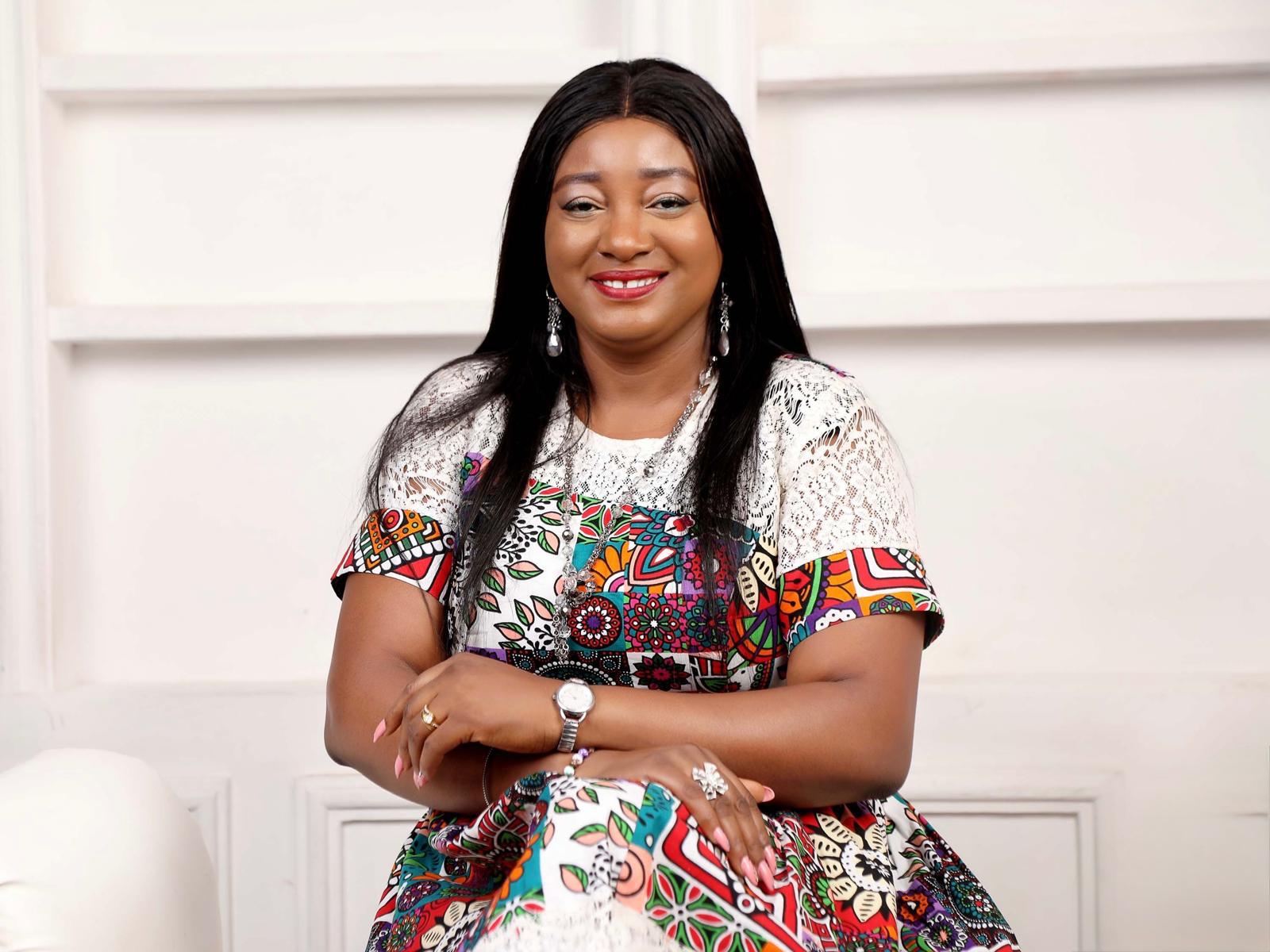
In a nation where access to quality healthcare often depends on one’s location, income, or connections, Dr. Jennifer Heaven Mike-Oworodo, has said that health should not be treated as a privilege but as human right: “Health justice in Nigeria, begins with fairness.
“It means ensuring that every person, regardless of class, gender, ethnicity, or background, can receive the care they need to live a dignified life. True justice extends beyond treating diseases, it requires transforming the systems that determine who gets care and who does not.
But achieving this vision, she acknowledges, is fraught with challenges. The first barrier lies within the law itself. “Nigeria’s constitution recognizes the right to health but does not make it enforceable. Citizens cannot go to court to demand their health entitlements,” she notes. This lack of legal accountability leaves millions without recourse when the system fails them.
The second challenge is institutional weakness, underfunded hospitals, poorly managed resources, and overburdened medical professionals. “Doctors and nurses work under intense strain, while patients bear the brunt of inefficiency and neglect,” she says. Added to this are the inequalities that divide Nigeria’s health landscape: urban centers thrive while rural communities languish with under-equipped clinics and minimal support.
Dr. Jenifer also highlights governance and corruption as critical obstacles. Mismanagement and politicization of health budgets, she argues, not only drain public confidence but also fuel the exodus of skilled professionals abroad. “Health justice requires clean governance and effective oversight that prioritize people’s well-being over personal or political gains.”
Her advocacy extends deeply into reproductive justice, from access to assisted reproductive technologies to regulating surrogacy and protecting reproductive rights. She believes that women’s health must be viewed through an intersectional lens. “A poor woman in a rural area faces different barriers than an educated man in a city,” she explains. Intersectionality, in her view, compels policymakers to design inclusive systems that hear and respond to marginalized voices.
So, what must Nigeria do? Dr. Mike-Oworodo’s prescription is clear: Make the right to health legally enforceable, fund and manage healthcare transparently, adopt gender-sensitive policies, and involve communities in shaping their health futures.
For her, health justice is not simply a policy aspiration but a moral duty. “Every life deserves respect, care, and protection,” she insists. And until Nigeria treats healthcare as an instrument of justice not charity, the vision of a truly healthy nation will remain just out of reach.