Follow Us on Google
Very rarely will a disease kill a person without giving adequate signs, especially if the person is listening appropriately to the body. Perhaps it is extremely contagious diseases like Ebola that can infect and kill a person fast. Healthcare professionals have consistently advised that people should undergo regular, preventive medical checks, to enable early detection of life-threatening diseases. Even more important is the need for people who are predisposed to certain diseases because of family history or otherwise should ake precautionary steps to go for medical chesks. To aid you in this regard, below are some tests everybody undergo from time to time under the guidance and supervision of your doctor or other certified healthcare provider.
Complete Blood Count (CBC)
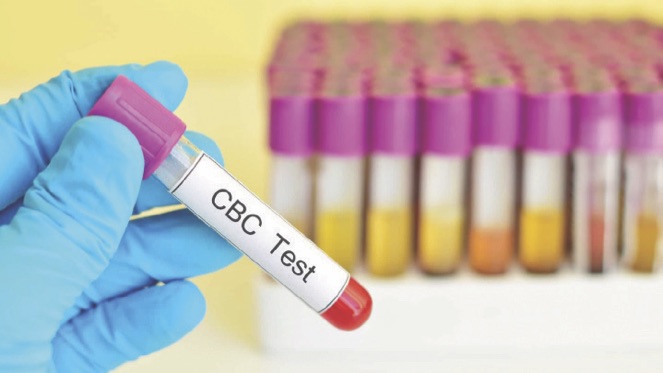
A complete blood count (CBC) is a blood test that healthcare providers use to monitor or diagnose health conditions. It can give your provider information about how medications or medical conditions are affecting your body, and about the health of your immune system. It can detect blood cancers, anemia, etc.
For a CBC blood test, a healthcare provider takes a sample of your blood and sends it to a lab. The lab measures the amount of red blood cells, hemoglobin (the protein that carries oxygen in your red blood cells), white blood cells and platelets. They also measure the size of your blood cells. Along with a CBC, your provider might order a peripheral blood smear, which gives them more information about how your blood cells look under a microscope.
Comprehensive Panel (CMP)
A Comprehensive Metabolic Panel (CMP) is a 14-test blood panel that evaluates liver and kidney function, blood sugar, electrolyte balance, and protein levels. It acts as a diagnostic tool for routine checkups or monitoring conditions like hypertension, diabetes, or liver disease, usually requiring a short blood draw.
Key components of a CMP include:
•Liver Panel: Alanine aminotransferase (ALT), Albumin, Alkaline phosphatase (ALP), Aspartate aminotransferase (AST), Bilirubin.
•Kidney Function: Blood urea nitrogen (BUN) and Creatinine.
•Electrolytes: Sodium, Potassium, Chloride, Carbon dioxide (Bicarbonate).
•Fluid & Metabolism: Glucose and Calcium.
•Proteins: Albumin and Total Protein.
Purposes of the test
•Routine Health Checkup: Often part of a general, comprehensive physical.
•Monitoring Disease: Used to manage known conditions like kidney disease or diabetes.
•Liver/Kidney Monitoring: Assesses the effects of specific medications on organ health.
•General Symptoms: Helps identify causes of fatigue, dizziness, or weakness.
Lipid Profile
A lipid profile test is a blood test that measures the levels of cholesterol (total, HDL, LDL) and triglycerides, assessing your risk for cardiovascular disease, heart attack, and stroke. It involves a simple blood draw from a vein, frequently requiring 8–12 hours of fasting for accurate results.
Key Components of a Lipid Profile include:
•Total Cholesterol: The total amount of cholesterol in your blood.
•HDL Cholesterol (“Good”): Helps remove bad cholesterol from blood vessels.
•LDL Cholesterol (“Bad”): Can build up and cause blockages.
•Triglycerides: Fats used for energy, often elevated by diet.
•VLDL Cholesterol: Carries triglycerides.
Purpose and Benefits
•Risk Assessment: Evaluates likelihood of heart disease, particularly for those with high blood pressure, diabetes, or a family history of heart issues.
•Screening & Monitoring: Used as a routine check or to monitor treatment effectiveness if you are on cholesterol-lowering medication.
· Early Detection: Detects high levels of lipids before symptoms appear.
HBA1C
The HbA1c test (glycated hemoglobin) measures average blood sugar levels over the past 2–3 months, acting as a crucial tool to diagnose or manage type 1 and type 2 diabetes. It measures the percentage of hemoglobin coated with sugar, requiring no special preparation like fasting. A level under 5.7% is considered normal, 5.7%-6.4% indicates prediabetes, and 6.5% or higher indicates diabetes.
Key aspects of the HbA1c Test:
•Purpose: Monitors long-term glucose control, helps guide treatment changes, and assesses the risk of complications such as nerve or kidney damage.
•Procedure: A blood sample is taken from a vein in the arm, often done every 3 to 6 months for diabetes patients, or annually for prediabetes.
Thyroid Function Test
Thyroid function tests (TFTs) are blood tests that measure how well your thyroid gland is producing and regulating hormones, primarily to detect hypothyroidism (underactive) or hyperthyroidism (overactive). The tests measure TSH (thyroid-stimulating hormone), T4 (thyroxine), and T3 (triiodothyronine) levels.
Key Thyroid Blood Tests:
•TSH (Thyroid-Stimulating Hormone): Typically the first-line test; high levels usually indicate hypothyroidism, while low levels suggest hyperthyroidism.
•Free T4 (Thyroxine): Measures the active form of the main thyroid hormone. Low T4 with high TSH confirms hypothyroidism.
•Free T3 (Triiodothyronine): Often ordered to confirm hyperthyroidism if TSH is low but T4 is normal.
•Thyroid Antibodies: Test for autoimmune conditions like Hashimoto’s (hypothyroidism) or Graves’ disease (hyperthyroidism).
When tests are used:
•Diagnosis: Identifying causes of fatigue, weight change, palpitations, or hair loss.
•Monitoring: Checking levels yearly if you have a known disorder, or during medication adjustments.
•Screening: Often recommended for high-risk groups, including those with autoimmune diseases or previous thyroid treatments.