Follow Us on Google
From Ndubuisi Orji, Abuja
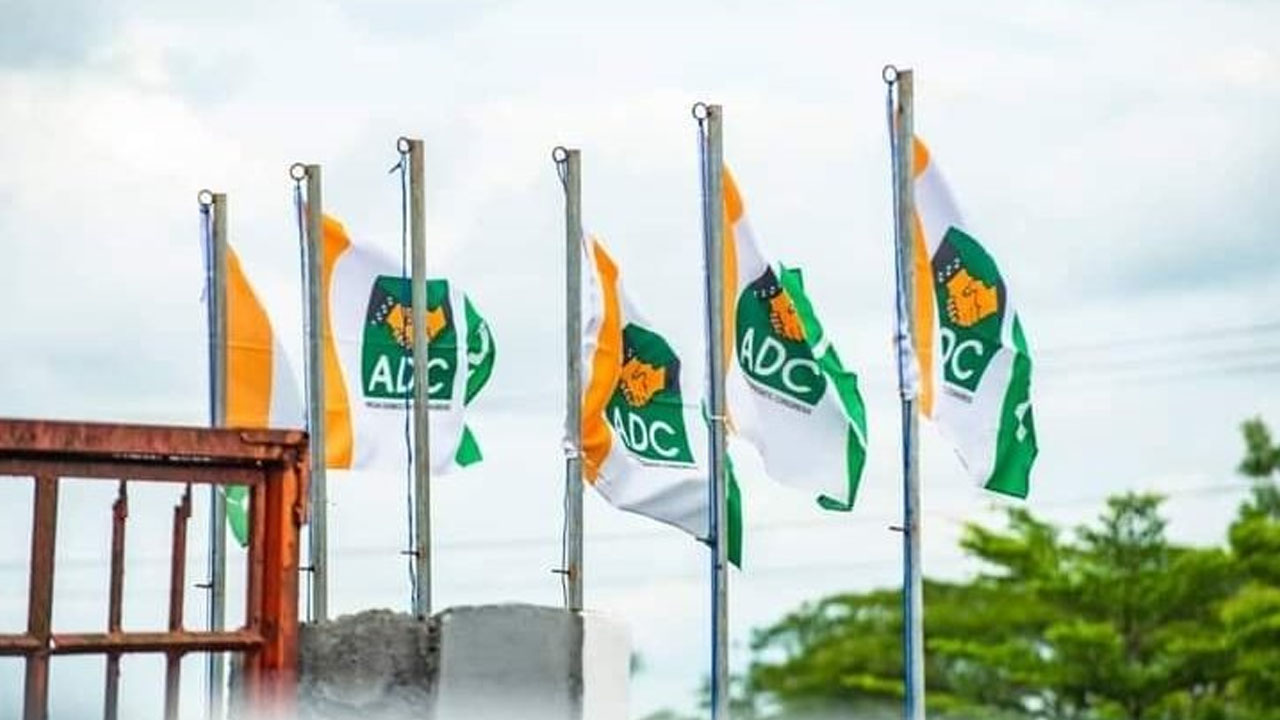
The African Democratic Congress (ADC) has said contrary to the insinuation of the All Progressives Congress ( APC), it is not inciting Nigerians against the Federal Government, over its statement on the poverty rate in the country.
The ADC, in a statement by its National Publicity Secretary, Bolaji Abdullahi, said recent data indicated that poverty rate in the country has risen to 63 percent, up from about 50 percent before the removal of petrol subsidy by the present administration.
The opposition party added that a recent report indicates that 93 percent of Nigerians believe the country is heading in the wrong direction.
The ADC, last week, stated that a recent report indicating that poverty rate in the country has risen to 63 percent since the removal of fuel subsidy is the real achievement of the Tinubu administration. However, the APC, in its reaction, accused the opposition of inciting Nigerians against the government.
Nonetheless, the ADC said rather than address the “clear evidence that more Nigerians are falling into poverty under this government”, the ruling chose to attack the opposition and “dismiss the lived realities of millions of citizens.
“The independent report that triggered this debate shows that Nigeria’s poverty rate has risen to 63 percent, up from about 50 percent before the removal of petrol subsidy.
“This means that tens of millions of additional Nigerians have been pushed into poverty in the period since the administration’s failed economic policies were introduced. The APC claims Nigerians support its reforms, yet the data says otherwise.
“Independent surveys show that 93 percent of Nigerians believe the country is heading in the wrong direction. Eighty-eight percent describe the national economy as bad, while 74 percent say their personal living conditions are poor. These are not opposition talking points. They are the views of Nigerians themselves, APC members included.”
Other News
The party noted that while the APC insists that the hardship Nigerians are experiencing is “transient,” available data indicate otherwise.
“Recent surveys show that 82 percent of Nigerians report going without enough food at least once in the past year, 82 percent have gone without medical care, 79 percent have gone without cooking fuel, 74 percent have gone without clean water, and 95 percent have gone without a cash income at some point during the year.
“ These figures point not to temporary discomfort, but to widespread and deepening economic distress. The APC speaks proudly of macroeconomic indicators, but Nigerians live in a real economy where fuel prices have surged by almost 500 percent, from about N255 per litre in May 2023 when Tinubu came into office, to around N1,500 per litre today in many parts of this country.
“This is pushing up transport costs and driving food prices beyond the reach of millions of households. The APC claims that the money previously spent on fuel subsidy, which should amount to roughly N6.4 trillion in savings last year alone, is now being redirected to ‘vital sectors’ such as healthcare and social development.
“However, it is on record that only N36 million, just about 0.02 percent of the capital budget, was actually released for capital projects in 2025 for Nigeria’s entire federal healthcare sector. Nigerians are therefore left to ask a simple question: if the subsidy savings are truly being redirected to critical sectors, where exactly is all the money going? Why are local contractors not paid? Why are the universities still poorly equipped?”
The ADC maintained that the human cost of the alleged failed policies of the ruling party and federal government is more evident in the agriculture sector.
Its latest report indicates that of more than 150 rice mills across Nigeria, about 90 have shut down operations while the remaining are operating at between 30 and 70 percent of their installed capacity.
“Official data from the National Bureau of Statistics show that Nigeria’s food import bill has jumped from N3.83 trillion in 2023, when President Tinubu came into office, to N7.65 trillion today, an increase of N3.82 trillion, or about 100 percent. This shows that instead of strengthening our local agricultural sector and