Follow Us on Google

•1,318 Lagos, Abuja locations need upgrades
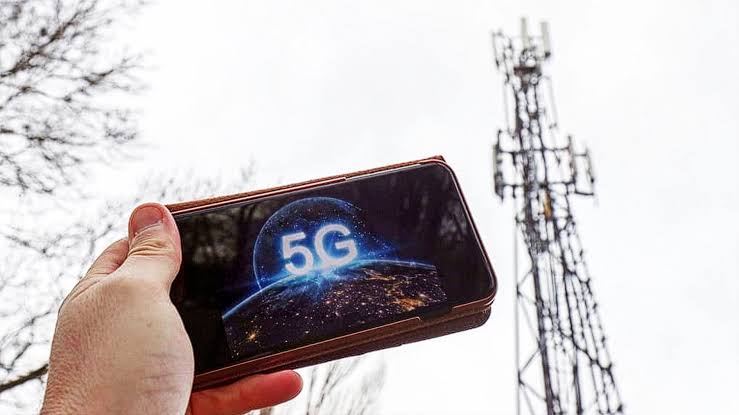
Nigeria’s growing adoption of fifth-generation (5G) mobile technology is yet to translate into reliable network services for many subscribers, as poor connectivity, customer dissatisfaction and uneven access continue to frustrate the country’s digital ambitions.
Findings from separate reports by the Global System for Mobile Communications Association (GSMA) and the Nigerian Communications Commission (NCC), in collaboration with Ookla, have exposed the gap between improvements in digital technology and the quality of services available to consumers.
While Nigeria is making progress in digital development and 5G adoption, the reports show that network availability, service quality and the ability of citizens to access and use digital services remain major challenges.
The NCC’s third-quarter 2026 Quality of Experience report showed that the use of 5G-capable devices on 5G networks increased significantly in Lagos and Abuja between February and August this year.
In Abuja, the proportion of 5G-capable device activity actually connecting to 5G networks rose from 31.4 per cent in February to 52.3 per cent in August.
Lagos also recorded an increase, with the figure rising from 27.5 per cent to 43.6 per cent within the same period.
However, the growing adoption of the technology has not eliminated concerns about network coverage and the quality of services subscribers receive.
The NCC identified 1,031 locations in Lagos and 287 in Abuja as high or critical priority areas requiring improvements in 5G network services.
These are locations where demand from users with 5G-compatible devices overlaps with gaps in network coverage, making them important areas for operators to address.
The report also revealed worsening customer satisfaction across the four mobile network operators between February and August 2026.
MTN, Airtel, Globacom and T2 all recorded negative Net Promoter Scores, an industry measure used to assess how willing customers are to recommend a service to others.
MTN’s score declined from -0.26 in February to -0.28 in August, while Globacom recorded a sharper drop from -0.22 to -0.30.
Airtel’s score fell from -0.36 to -0.40, while T2 recorded -0.38, compared with -0.22 in February.
The NCC, however, cautioned that T2’s result was based on only 13 responses.
The findings suggest that subscribers’ dissatisfaction is driven more by network availability and access to 5G services than by the highest download speeds operators can offer.
This means that increasing network capacity alone may not be enough to satisfy consumers if they cannot consistently access the services or enjoy reliable connections where they live and work.
The report also found differences in network experience between urban and rural communities.
Urban areas recorded higher scores in web browsing and video streaming, with 49.5 and 67.2 points respectively, compared with 43.3 and 64.9 points in rural communities.
However, rural areas recorded a higher real-time readiness score of 52.7 points against 47.0 in urban locations.
The findings show that network performance varies depending on the service consumers are trying to access, as well as their geographical location.
The NCC findings also reflect wider digital inclusion concerns raised by the GSMA in its Digital Africa Index 2026.
The GSMA report recognised Nigeria among 10 African countries making progress in digital development and creating more supportive policy and regulatory environments.
However, it warned that expanding telecommunications infrastructure does not automatically mean that more people can afford, access and use mobile internet services.
According to the report, mobile broadband networks cover 92 per cent of Africa’s population, but only 28 per cent use mobile internet on their personal devices, leaving a usage gap of 64 per cent.
The association identified the high cost of internet-enabled devices, limited digital skills and inadequate relevant local content and services as major barriers keeping millions of Africans offline.
Nigeria faces a similar challenge, particularly in the difference between urban and rural internet adoption.
Findings from the GSMA’s 2025 consumer survey showed that 66 per cent of urban adults surveyed in Nigeria used mobile internet, compared with only 33 per cent of their rural counterparts.
The figures highlight the need to look beyond the expansion of advanced mobile technology and address the practical problems preventing Nigerians from enjoying reliable and affordable internet services.
For telecommunications operators, this means improving network coverage, addressing weak service locations and ensuring that investments in 5G infrastructure translate into better customer experiences.
For regulators, the findings underline the importance of monitoring service quality, identifying underserved locations and ensuring that operators meet consumers’ expectations.
The reports also point to the need for broader efforts to make smartphones and data services more affordable and improve digital skills, particularly among rural and low-income communities.
Ultimately, Nigeria’s digital ambitions will depend not only on how quickly it adopts new technologies such as 5G, but also on whether ordinary citizens and businesses can enjoy reliable connectivity and use digital services without unnecessary difficulties.