Follow Us on Google
By Doris Obinna
A faith-based non-governmental organisation, Deborah’s Impact Projects Africa (DIPA), has raised concerns over the growing burden of preventable health conditions among vulnerable Nigerians, warning that worsening poverty and food insecurity are driving more people into silent health crises, particularly hypertension and other cardiovascular diseases.
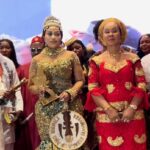
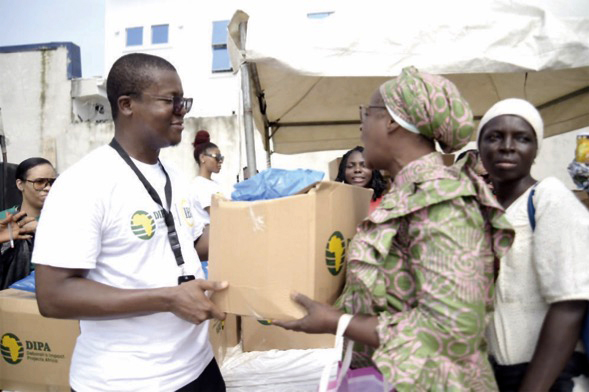
The organisation made the call during its Joseph Project outreach held in the Oniru community of Lagos, where 300 pre-registered vulnerable families received food packs alongside free medical screenings conducted in partnership with Access Heart Foundation, Isi Benedicta Institute and the men’s fellowship arm of the People of Influence Network, “This is Jacob.”
DIPA’s Global Operations Lead, Nkoyo Ugbe, said the scale of hardship being experienced by Nigerians has increased the number of people requiring urgent humanitarian and medical support.
According to her, many needy residents could not be accommodated because the organisation only prepared 300 food packs despite overwhelming demand from the community. “There are many more people outside the gates that we cannot attend to because we only prepared 300 packs for pre-registered families. The need is enormous, and it reflects the economic realities many Nigerians are facing.”
Ugbe noted that the initiative, which started by supporting 100 widows with monthly food supplies, has now reached over 1,000 beneficiaries, but rising costs continue to limit the scope of interventions.
She explained that DIPA’s long-term plan includes agricultural projects aimed at boosting food security, improving nutrition and creating employment opportunities across Africa.
Ugbe stressed that women remain central to the organisation’s interventions because of their role in sustaining family health and welfare.
Programme Director and Head of Administration, DIPA Global, Diezani Ototo-Onuorah, linked the outreach to the United Nations Sustainable Development Goal on Zero Hunger, noting that widows, elderly persons and economically disadvantaged households remain the organisation’s primary targets.
She said inflation; transportation costs and the rising price of food items have significantly increased the cost of humanitarian outreach programmes.
“When we started, what cost about N2 million or N3 million now costs far more because of inflation, fuel prices and transport costs. We want to expand to more communities and reach thousands monthly, but funding remains a major challenge,” she said.
Access Heart Foundation, Operational Manager, Richard Ponle, revealed that a significant number of beneficiaries screened showed signs of hypertension.
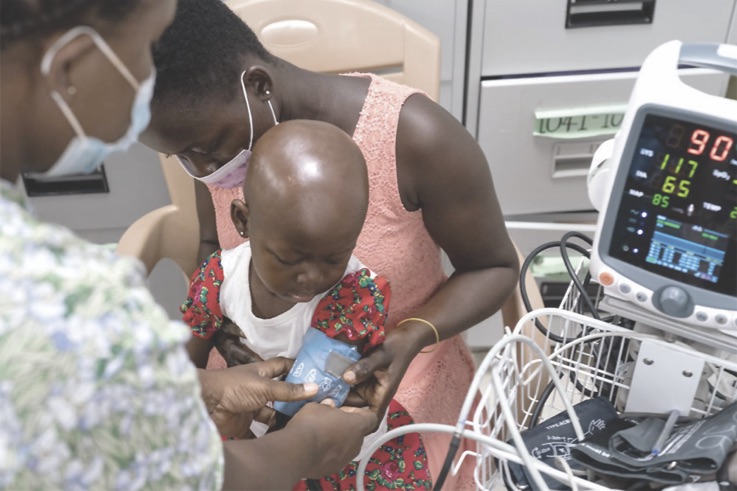
Ponle said over 50 people, mostly women, had already undergone health checks during the exercise, with several cases of dangerously elevated blood pressure detected. “The awareness level about hypertension and heart health is still very low. Many people are living with dangerously high blood pressure without knowing it. Our role here is not just treatment but sensitisation,” he stated.
According to him, the foundation provided blood pressure checks, blood sugar testing, body mass index assessments and basic medications, while severe cases were referred to healthcare facilities for further treatment.
Ponle added that Access Heart Foundation has also conducted free heart surgeries in northern Nigeria as part of efforts to improve access to cardiovascular healthcare.
Dean of Isi Benedicta Institute, Sandrah Namuwaya, described the outreach as a practical expression of faith-driven service and humanitarian leadership.
She explained that students from countries including the United States, the United Kingdom, Trinidad and Tobago, Liberia, Togo and Uganda participated in the exercise through the institute’s “Go School” programme.
Beneficiaries commended the intervention, describing it as timely relief amid worsening economic hardship and rising healthcare challenges.
One of the beneficiaries, Evelyn Falana, said the programme restored hope to many struggling households. “Some people came here with nothing at home and left with joy. We pray God continues to bless everyone who contributed to this programme,” she said.