Follow Us on Google

Oluseye Ojo, Ibadan
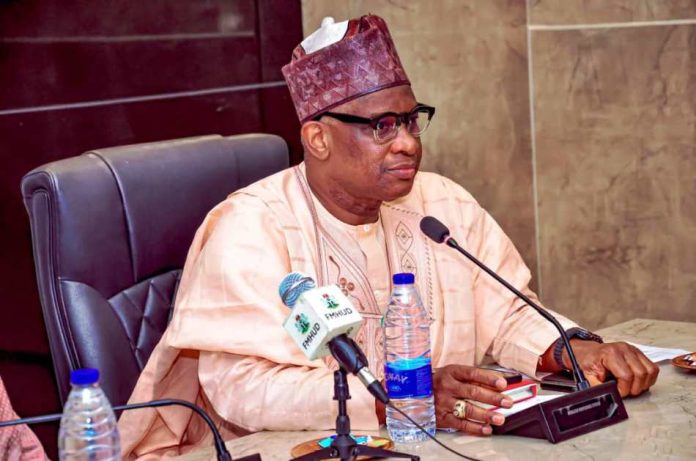
Oyo State Governor, Seyi Makinde, has told former public office holders to return state resources in their custody or his administration will report them to the Independent Corrupt Practices and Other Related Offences Commission (ICPC) for recovery of the resources.
He disclosed this when he played host to the ICPC team, led by the commission’s Chairman, Bolaji Owasanoye, in Ibadan, yesterday.
Owasanoye had said the team, comprising ICPC board members, chairmen of Committees on Anti-Corruption and Financial Crimes in the Senate and House of Representatives with their members, directors and commissioners in the commission, visited the governor to thank the state for providing the land on which the newly commissioned permanent office of ICPC was built in Ibadan, which he described as first of its kind in the country.
Makinde, who explained the reasons behind setting up of anti-corruption agency by his administration, said: “We are not here to witch-hunt the past administration or individuals. That is probably why you (ICPC) have not seen a lot of petitions coming from us. But as we have progressed, what we have seen is that some of the resources were mismanaged.
“We have been talking to the people involved. If they return those resources, then, we will probably not come to ICPC because the whole idea is for you to help us recover those resources that had been stolen. If they refused to cooperate, I am just putting them on notice now, then we will come to ICPC for assistance.”
The current administration had, last year, raised the alarm that some officials of the immediate past administration of All Progressives Congress (APC), led by Abiola Ajimobi, had disappeared with some government vehicles and other resources.
As gathered, some of the resources had been recovered, while a number have been holding to the resources based on certain convictions.
Makinde, who promised he would publicly declare his assets at the end of his tenure of office the way he did on his assumption for accountability, said: “We have taken corruption as a canker worm that we know can destroy all of us if not checked. Most importantly, for the leaders, you have very few of us that decide to hold ourselves accountable. That is why upon resumption of office, I publicly declare my assets. I did not want people to start going through Freedom of Information Act channel to have clarity of where one is coming from.”
The governor, who declared over N48 billion worth of assets when he assumed office, continued: “At the end of my tenure, I also will come out to declare my assets publicly. I strongly believe even if we are able to reduce the amount of transactions with elements of corruption, we may just reduce it by 30 to 40 percent. It is a huge amount that will available to develop our country and our state.
“Also, we have anti-corruption agencies, including Economic and Financial Crimes Commission and ICPC at the federal level. So, people have asked me why setting up our own agency at the state level?
“I said to them that if the federally allocated revenues are being chased around by the federal agencies, we do generate revenues locally as well. We also need to chase after how they are being spent.
“And quite frankly, if you looked at the federal agencies, they don’t have limitless resources and you have all these corruption tendencies and cases all over the place. So, we felt the closer the anti-corruption efforts get to the people, the better the resources we are going to get at the end of the day.
“Also, I believe so much in fiscal federalism. I have asked the question before, and I am yet to get any satisfactory answer. Who is mandated to check the people checking others? It is very unique. If I take the example of the Nigeria Police Force, the Police Acts did mandate the states to contribute towards how the Nigeria Police is run. But because we came from almost a unitary set up, to the type of federalism that we are practicing now. The states are hardly consulted.”