Follow Us on Google

By Damilola Fatunmise
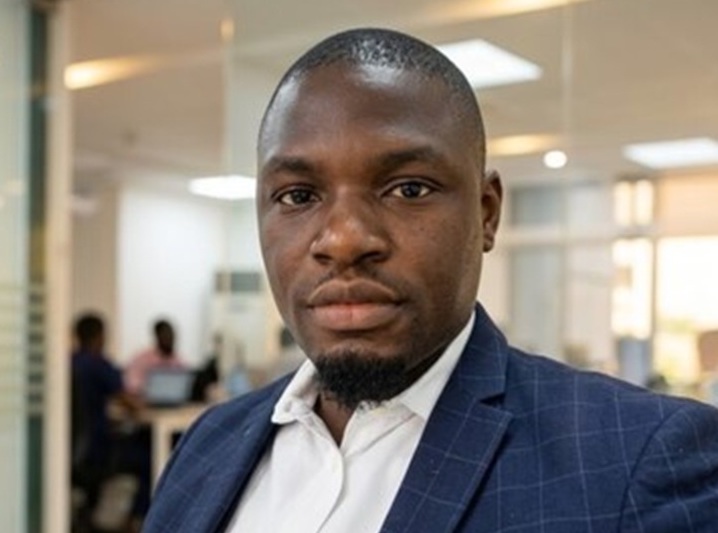
An era where downtime translates instantly into massive financial loss and reputational risk demands leaders who engineer operational excellence through foresight, discipline, and decisive action. Omoegun Olumide Gbenga has emerged as such a force, proving that reliability is not accidental but deliberately cultivated. Ports facing mounting pressure from aging infrastructure, rising cargo volumes, and relentless global competition find in Gbenga’s work a compelling example that performance and predictability are non-negotiable. His contributions reflect a professional who does not merely react to failures but anticipates them, eliminates root causes, and rebuilds systems to perform stronger than ever.
Other News
Gbenga’s impact is most visible in the way maintenance is no longer treated as a reactive necessity but as a strategic instrument for sustained performance. By crafting comprehensive, data-driven reports on all maintenance activities, he enabled management boards to move beyond guesswork and adopt proactive, evidence-based decisions. These reports did not simply document faults; they translated technical realities into strategic insight, allowing leadership to act early, allocate resources more intelligently, and prevent minor issues from escalating into costly operational disruptions. In a sector where delayed decisions can ripple through entire supply chains, this level of clarity proved invaluable.
Central to his operational transformation was a rigorous review and update of the Crane Maintenance Management System and the plant equipment asset hierarchy. Recognizing that inaccurate or outdated system data undermines even the most sophisticated maintenance plans, Gbenga led efforts to improve the accuracy and effectiveness of asset records. The result was a system that reflected the real conditions of plant equipment, ensuring optimal functionality, better scheduling of maintenance activities, and longer asset life cycles. This seemingly technical intervention had profound commercial implications, reducing unplanned downtime and restoring confidence in the reliability of port equipment.
Beyond system optimization, Gbenga demonstrated strong leadership in spearheading predictive and preventive maintenance initiatives. Rather than waiting for failures to occur, he consistently proposed improvement measures designed to eliminate recurrent issues. His approach combined historical data analysis with on-site technical insight, allowing patterns of failure to be identified and addressed permanently. This forward-thinking mindset helped shift the maintenance culture from firefighting to prevention, saving costs while improving safety and operational continuity.
His technical authority was further reinforced through the preparation of detailed failure analyses and countermeasures across electrical installations, cranes, and critical equipment. These analyses went beyond surface-level explanations, drilling into root causes and proposing practical, implementable solutions. By institutionalizing these findings, Gbenga ensured that lessons learned from past failures were embedded into future operations, reducing repetition of errors and steadily raising performance standards.
Perhaps the most defining moment of his leadership came during a major breakdown of critical port equipment. With operations under severe threat and financial losses mounting by the hour, Gbenga led the emergency repair response with composure and precision. Coordinating technical teams, prioritizing actions, and making decisive calls under pressure, he restored full operational capacity within 24 hours. This rapid recovery not only minimized losses but preserved client confidence, underscoring the strategic value of competent technical leadership in crisis situations.
His influence also extended to the long-term integrity of port infrastructure. By supervising the maintenance and refurbishment of docks and related facilities, Gbenga played a pivotal role in improving structural integrity and reducing repair costs by 20 percent. This achievement reflected a careful balance between technical rigor and cost efficiency, ensuring infrastructure investments delivered measurable returns rather than recurring expenses.
What distinguishes Omoegun Olumide Gbenga is not simply technical expertise, but a mindset anchored in accountability and continuous improvement. He bridges the gap between engineering detail and executive decision-making, ensuring that complex maintenance realities are translated into strategic advantage. In an industry where performance margins are thin and expectations relentless, his work reinforces a powerful truth: sustainable port operations depend on leaders who can see around corners, act decisively, and build systems that endure.
As ports across the region confront the demands of modernization, resilience, and global competitiveness, Gbenga’s record offers a persuasive blueprint. It is a testament to how disciplined maintenance leadership, grounded in data and driven by foresight, can transform infrastructure from a vulnerability into a competitive strength.