Follow Us on Google
From Fred Itua, Abuja
Melinda French Gates and Bill Gates have called for urgent action to advance progress on the United Nations’ (UN) Sustainable Development Goals and shine a spotlight on reducing maternal and child mortality
The Foundation in its seventh annual Goalkeepers Report, said the world has collectively fallen short at the halfway point for achieving the United Nations Sustainable Development Goals (SDGs), and where innovation and investment can fuel progress, particularly in the fight against the global epidemic of maternal and child mortality.
Co-authored by the Foundation’s Co-chairs Melinda French Gates and Bill Gates, the report highlights new data that shows the potential of scaling up global access to seven innovations and practices that address the leading causes of maternal and newborn deaths.
“By making new innovations accessible to those who need them most, two million additional lives could be saved by 2030, and 6.4 million lives by 2040. That’s two million families spared an unimaginable heartbreak—and 2 million more people who can shape and enrich our world,” a statement quoted the duo.
The statement said since 2016, progress in reducing global maternal mortality has stalled, and in some countries—including the United States—death rates have risen steadily.
It said across the world, nearly 800 women die in childbirth every day.
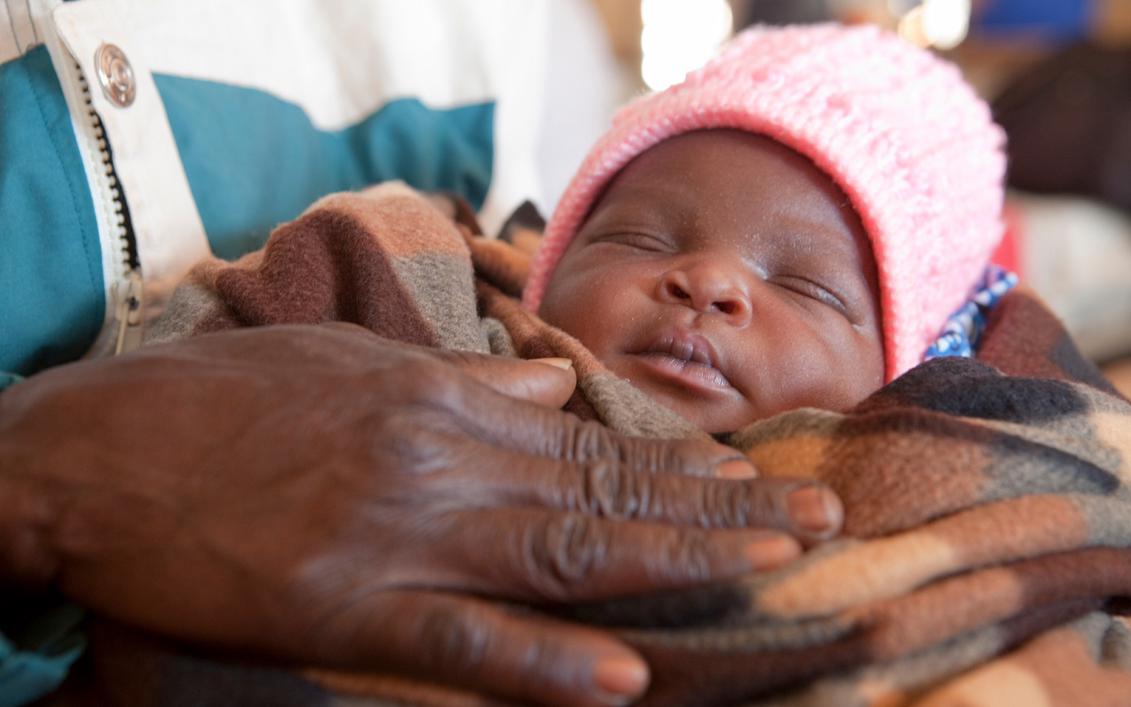
“Though deaths of children Under-5 have continued to decline since the mid-2010s, the first month of a newborn’s life continues to be the most dangerous, accounting for almost half of all under-5deaths today.
“An estimated 74% of child deaths happen during a baby’s first year. In their respective essays, French Gates and Gates acknowledged the global efforts between 2000 and 2015 that significantly improved the health of mothers and babies, but point out that progress has stalled since COVID-19 hit,” the statement further read.
They explained how the discovery of revolutionary information about maternal and child health in the last 10 years led to low-cost and easy-to-implement innovations and practices that prevent and treat deadly childbirth complications such as post-partum hemorrhaging, infections, and maternal anemia.
They called for immediate action to help put the world back on track to achieve the global goal of cutting the maternal mortality rate to less than 70 out of 100,000 births and newborn mortality to12 deaths per 1,000 live births by 2030.
“As is so often the case in global health, innovations aren’t making their way to the people who need them most—women in low-income countries, as well as Black and Indigenous women in high-income countries like the United States, who are dying at three times the rate of white women. That needs to change,” wrote French Gates.
“We have seen over and over again that when countries actually prioritise and invest in women’s health, they unleash a powerful engine for progress that can reduce poverty, advance gender equality and build resilient economies.
“Over the past decade, the field of child health has advanced faster and farther than I thought I’d see in my lifetime.”
If our delivery can keep pace with our learning—if researchers can continue developing new innovations and skilled health workers can get them to every mother and child who needs them—then more babies will survive those crucial first days,” said Gates.