Follow Us on Google
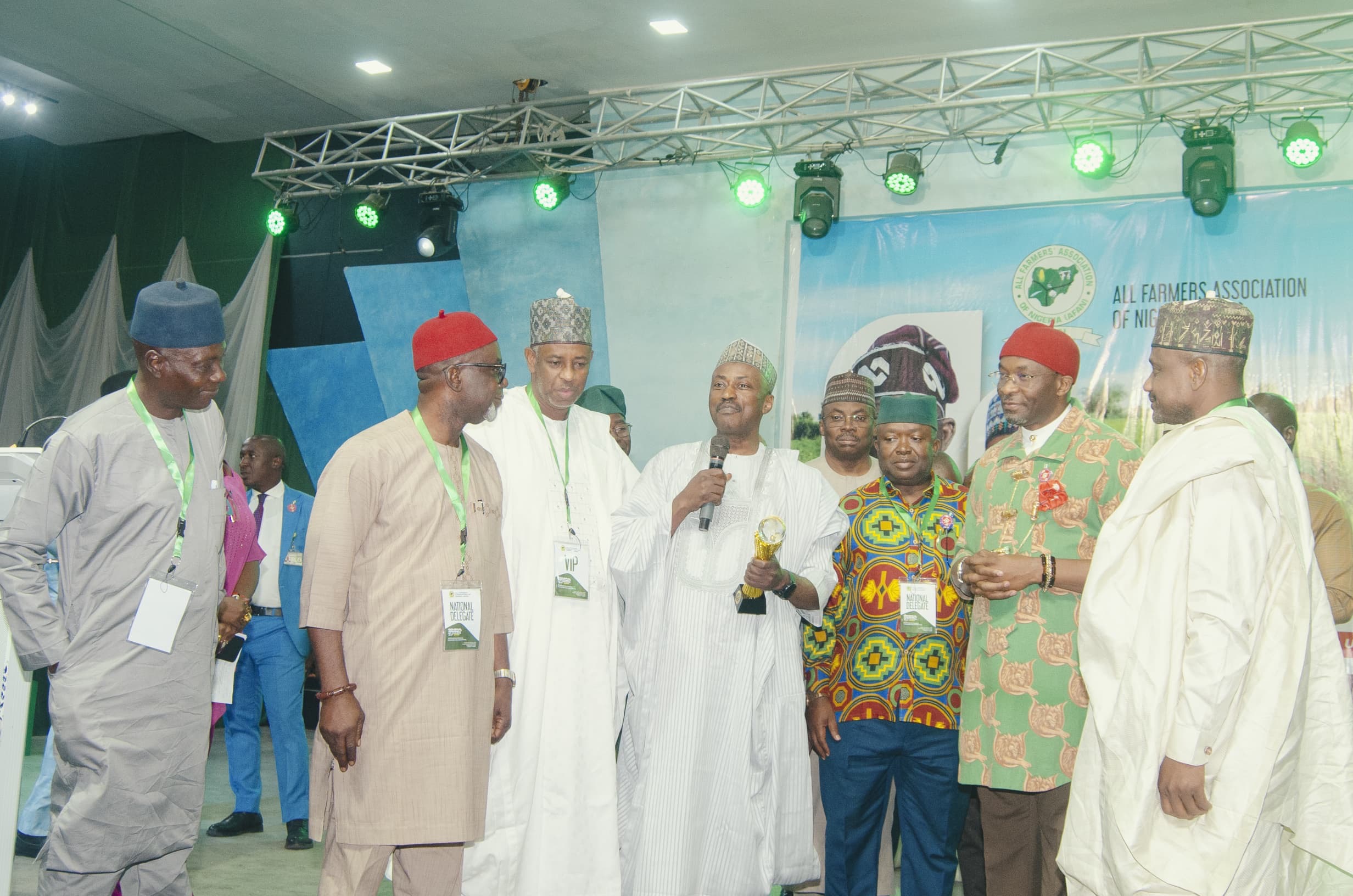
The All Farmers Association of Nigeria (AFAN) has declared that the General Assembly of Farmers (GAF) will serve as a major catalyst in revolutionising and repositioning agriculture in Nigeria, amid growing challenges of food insecurity, climate change and insecurity.
Speaking at the close of the three-day GAF meeting in Abuja, AFAN President, Dr Farouk Mudi, said the assembly marked a turning point for Nigerian farmers, providing a unified platform to address longstanding structural problems affecting agricultural productivity and food systems.
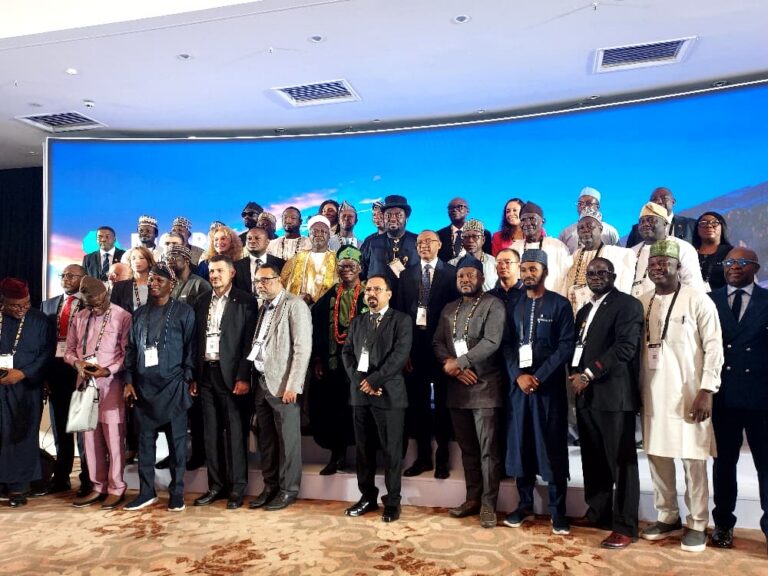
The meeting, themed “Empowering Farmers, Fostering Collaboration,” attracted stakeholders across the agricultural value chain and reaffirmed the Federal Government’s commitment to placing farmers at the centre of national development.
In his address, Dr Mudi highlighted the effects of climate change, rising input costs and insecurity on agriculture, noting that delayed rainfall, flooding and the disappearance of harmattan were disrupting farming cycles nationwide.
He disclosed that erratic weather patterns had destroyed over 500,000 hectares of rice and maize farms, while the rising cost of fertiliser and agrochemicals had made farming increasingly unaffordable for many farmers.
“GAF is a beginning of a greater AFAN and this gathering of stakeholders from all states of the Federation is a turning point for the Farmers in AFAN, a lot of intervention and policy shifts are expected and we are going to completely revolutionise Agriculture in Nigeria.
Mudi reaffirmed AFAN’s strong support for the National Livestock Transformation Plan, saying it would promote modern ranching, reduce conflicts and allow farmers to cultivate their land without fear.
He further noted that Nigeria’s heavy reliance on food imports such as wheat, sugar and fish, noting that billions of dollars spent annually on imports should instead be invested in empowering local farmers.
According to him, agriculture was once a cornerstone of Nigeria’s education system and rural economy, but declining emphasis on practical agriculture, insecurity and climate pressures had weakened food production and discouraged youth participation in the sector.
Mudi expressed confidence that the GAF platform would help reposition agriculture as a viable, secure and profitable sector capable of driving national growth and ensuring sustainable food security.
Vice President Kashim Shettima, who was represented by the Senior Special Assistant to the President on Public Health, Dr Uju Rochas-Anwukah, assured farmers of the government’s continued support, stressing that “no farmers means no nation, and when farmers thrive, the nation thrives.”
She said the Nutrition 774 Initiative underscored the importance of farmers in Nigeria’s fight against malnutrition, noting that nutrition begins on farms, not in hospitals. According to her, agriculture under the Renewed Hope Agenda is not only an economic policy but also a security, peace-building and nation-healing strategy.
“Nigeria cannot fix its nutrition challenges without fixing food systems, and food systems cannot be fixed without farmers,” Rochas-Anwukah said, adding that farmers must no longer be treated as an afterthought.
She further assured AFAN of the Office of the Vice President’s readiness to partner with the association to ensure farmers succeed, families prosper and the nation grows, noting that food, shelter and clothing—the fundamentals of life—originate from the soil.
Also speaking, the Minister of Defence, Gen. Christopher Musa (rtd), acknowledged the security challenges confronting farmers across the country and pledged the government’s commitment to improving safety in farming communities. He urged farmers to promptly report security threats, describing the protection of farmers as critical to national food production and food security.