Follow Us on Google
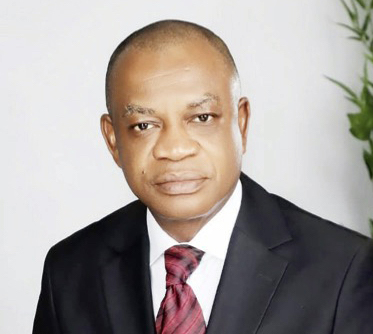
From Stanley Uzoaru, Owerri
Professor Ikechukwu Dozie wasn’t a name on the lips of Imolites until 2022, when Imo State Governor Hope Uzodimma appointed him as the Vice Chancellor of the newly established Kingsley Ozumba Mbadiwe University, KOMU, in Ideato Local Government Area of the state. Picked from outside the usual political and academic circles, Dozie walked into KOMU with a mandate to build operational and administrative structure, credibility, and academic culture from scratch.
Two years later, the results at KOMU had become hard to ignore. The university moved from a project on paper to an institution running accredited programmes, attracting staff, and gaining recognition across the Southeast. That track record earned him the next big assignment: Vice Chancellor of the Federal University of Technology, Owerri, FUTO, one of Nigeria’s leading science and technology universities.
At KOMU, Prof. Dozie focused on basics that many new universities struggle with. He prioritized staff recruitment based on competence, pushed for timely accreditation of programmes, and insisted on discipline and accountability in administration. Within a short period, lecture halls were functional, academic calendars stabilized, and students had a clear academic path.
His style was hands‑on. Colleagues at KOMU describe him as someone who would visit faculties unannounced, ask about challenges, and follow up until issues were resolved. That approach built trust and created momentum.
When he resumed at FUTO, Dozie didn’t start with speeches. He rolled out an 11‑point agenda aimed at repositioning the university for global competitiveness and local relevance. The plan touches on academics, research, infrastructure, student welfare, and industry collaboration.
Key pillars of the agenda include:
•Academic excellence and curriculum review to align programmes with industry needs and global standards.
•Research and innovation drive with stronger links to funding agencies and private sector partners.
•Infrastructure upgrade, focusing on lecture theatres, laboratories, and student hostels.
•Digital transformation, expanding e‑learning platforms and campus ICT facilities.
•Staff development and welfare, ensuring training, promotions, and a conducive work environment.
Other News
•Student‑centred services, cutting delays in registration, results processing, and hostel allocation.
•Industry and alumni engagement to create internships, mentorship, and funding opportunities.
•Financial sustainability, improving internally generated revenue without compromising affordability.
•Security and campus safety, in partnership with law enforcement and the university community.
•Community service and outreach, using FUTO’s expertise to solve local problems.
•Lastly, good governance and transparency, with open communication between management, staff and students.
Within months of implementation, FUTO has seen renewed activity in research grants, faster response to student complaints, and visible upgrades in some academic facilities. Staff say the biggest shift is in accountability with departments now expected to report measurable progress.
Professor Dozie’s career spans academia, research, and administration. Before KOMU, he built a reputation as a scholar with a practical approach to science and technology education. At both KOMU and now FUTO, his emphasis has been the same: make the university work for students, staff, and the community.
He often says the goal is not to run a university for rankings alone, but to produce graduates who can solve real problems in Nigeria and beyond.
The real test for the 11‑point agenda is sustainability. FUTO faces the same challenges confronting most public universities in Nigeria: funding gaps, power supply, and pressure on infrastructure. But with a clear plan and a management team pushing implementation, there’s cautious optimism among staff and students.
For Dozie, the move from KOMU to FUTO is not a personal promotion story. It’s a chance to prove that the same discipline and focus that built a new university can also reposition an established one.
“The institution must serve its people,” he said at his resumption address, adding: “If we get the basics right, everything else will fall into place.”