Follow Us on Google
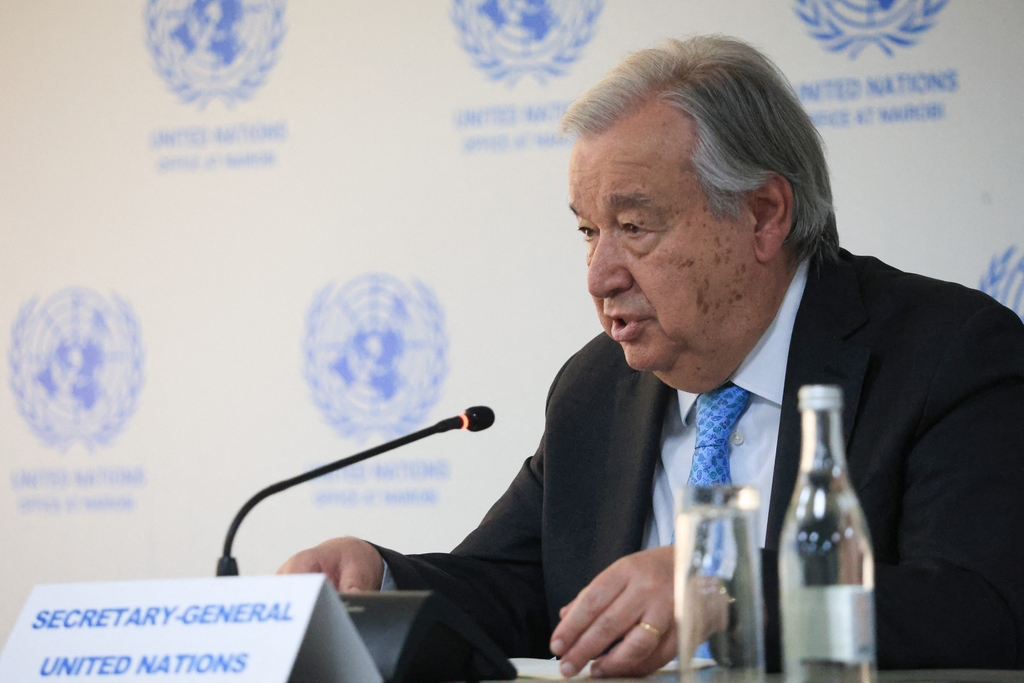
United Nations Secretary-General António Guterres has warned that a return to full-scale hostilities in the Gulf could have devastating consequences for global peace, international security and the world economy, as tensions between Iran and the United States continue to deepen.
Guterres, in a statement posted on his X account on the latest military escalation in the region, expressed grave concern over Iranian attacks on ships in the Strait of Hormuz, the United States’ strikes on Iran, and Iran’s retaliatory attacks on targets in neighbouring countries.
Describing the situation as a dangerous escalation, the UN chief called for an immediate cessation of hostilities.
“These attacks must all stop. A return to full-scale conflict would have catastrophic consequences for the people of the Middle East, global peace and security, as well as the international economy,” he said.
He urged Tehran and Washington to urgently resume negotiations and resolve their differences through diplomacy rather than military confrontation.
The latest warning from the UN chief comes against the backdrop of years of strained relations between Iran and the United States over Tehran’s nuclear programme, regional security and sanctions.
Although diplomatic efforts have periodically eased tensions, the renewed exchange of military strikes has heightened fears of a broader regional war involving multiple state and non-state actors.
Meanwhile, analysts noted that one of the greatest concerns was the security of the Strait of Hormuz, a narrow waterway linking the Persian Gulf to the Gulf of Oman and the Arabian Sea.
They noted that the strategic passage is one of the world’s busiest energy corridors, with a significant share of globally traded crude oil and liquefied natural gas passing through it daily.
Other News
They noted that any prolonged disruption to shipping in the strait could send global oil prices soaring, worsen inflation and increase transportation and manufacturing costs across the world.
Economists also warned that financial markets could experience heightened volatility, while countries heavily dependent on imported fuel may face severe economic pressure.
Developing nations, including many in Africa, could be particularly vulnerable. Higher energy prices could translate into increased electricity tariffs, more expensive food and consumer goods, rising transportation costs and greater pressure on government budgets already strained by debt and inflation.
Beyond the economic implications, security experts warn that an expanded conflict could destabilise the wider Middle East, trigger fresh humanitarian crises, displace millions of civilians and create opportunities for extremist groups to exploit the resulting instability.
There are also concerns that prolonged hostilities could disrupt global supply chains, delay maritime trade, increase insurance costs for commercial shipping and further slow the pace of global economic recovery.
Against this backdrop, Guterres appealed to both Iran and the United States to step back from further military action and return to dialogue.
“I urge Iran and the US to urgently resume negotiations and to address outstanding issues through diplomacy,” he said.
The UN Secretary-General maintained that diplomacy remains the only sustainable path to preventing a wider regional conflict with potentially far-reaching consequences for international peace, global commerce and economic stability.