Follow Us on Google

From Fred Ezeh, Abuja
New reports from the United Nations Children Fund (UNICEF) have revealed that Nigerian children are getting poorer and also lacking opportunity of getting a better life and future, noting that Nigeria would need as roughly as one trillion Naira to lift children out of poverty.
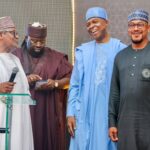
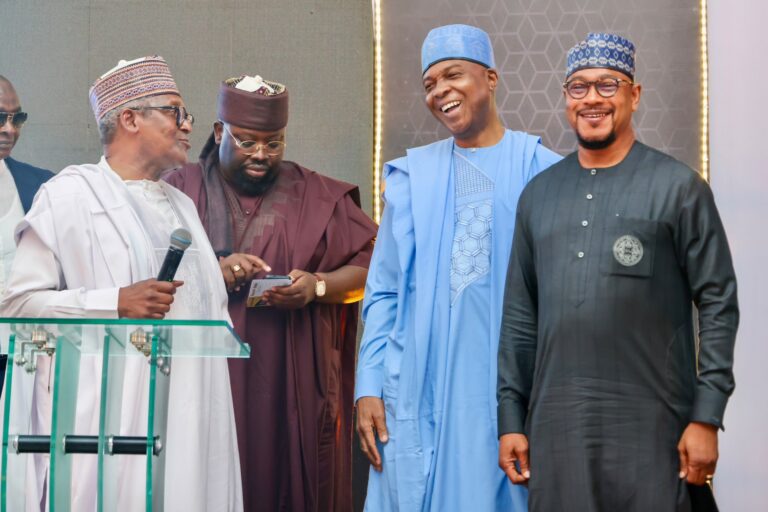
The three reports, the Situation Analysis of Children in Nigeria; the Multidimensional Child Poverty Analysis in Nigeria; and Monetary Child Poverty in Nigeria; prepared by the Ministry of Budget and National Planning in collaboration with UNICEF, was launched by Vice President, Prof. Yemi Osinbajo, on Friday.
The Multidimensional Child Poverty Analysis revealed that approximately 54 per cent of children in Nigeria are multidimensionally poor because they face, at least, three deprivations across seven dimensions of child rights including nutrition, healthcare, education, water, sanitation, adequate housing, and information.
The report further indicated that multidimensional poverty in children is more prevalent in the rural areas (65.7%) than urban areas (28.4%), also noting high state disparities ranging from 14.5 per cent (Lagos) to 81.5 per cent (Sokoto).
The second Report, Monetary Child Poverty Report, showed that 47.4 per cent of children face monetary poverty due to the fact that they live in households with expenditure is less than N376.5 a day.
The report observed slight differences between boys (47.98 %) and girls (46.8 %), while there are high geographical and state disparities (from 6.5% in Lagos to 91.4% in Sokoto).
According to the report, 24.56 per cent of children in Nigeria face extreme poverty because they live in households that spend less than $1.90 a day.
The third Report, Situation Analysis of Children in Nigeria, indicated that child poverty rate is highest among children aged 16– 17 years and least among children aged 0–5 years.
The Report noted that children are most affected by poverty because they are vulnerable, and that poverty has long-term impacts on the well-being of children, even into adulthood.
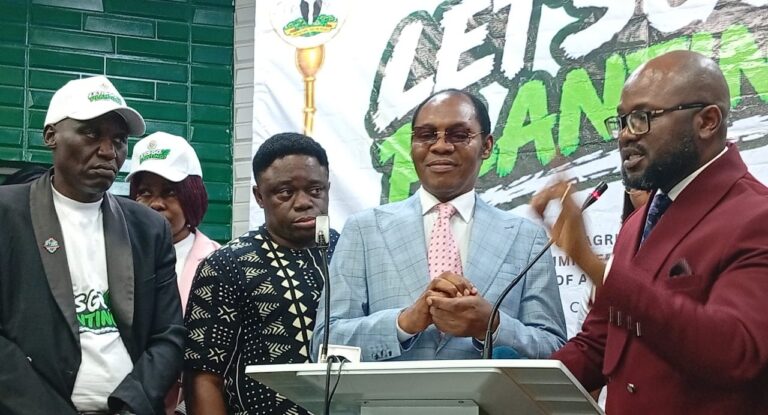
Meanwhile, the UNICEF Representative in Nigeria, Peter Hawkins, in his remarks, described data as a critical item for effective budgeting and decision making, and data from the surveys together paint a picture of the situation for children and families in Nigeria.
He said: “We still have a long way to go towards ensuring the well-being of children and families in Nigeria, with persistent multi-dimensional poverty being a crucial obstacle.
“Findings of these reports would help guide the federal and state governments as they plan their budgets, providing evidence for where more funds need to be allocated and wisely spent.
“Analysis of the reports also stressed the need for improved social protection measures to ensure that children are protected from risks, along with an expansion of access to much-needed social services. Whether looking at poverty from a monetary or non-monetary point of view, the data show that children are more likely to live in poverty than other groups.
“Therefore, we need to pay special attention to planning and programming for children, based on the policy recommendations and calls to action contained in the reports. The data they provide offers a clear direction and key actions necessary for the realization of children’s rights in Nigeria.”