Follow Us on Google
By Chinyere Anyanwu
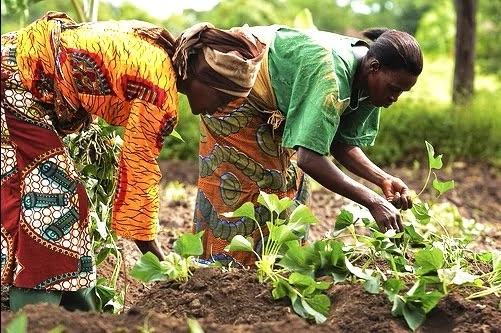
Women farmers have decried their non-inclusion in decision-making, policy formulation, access to credit, among other critical issues, in the nation’s pursuit of food security.
The Public Relations Officer of Ogbonge Women, a non-profit organisation tailored towards empowering women in agriculture, Joy Onime, made the disclosure in Lagos at the weekend during a chat with Daily Sun.
Onime said that despite women being major players in various aspects of Nigeria’s agriculture, they are sidelined when it comes to accessing necessary tools that should enable them utilise their full potential for the growth of the country’s agricultural sector and ensuring food sufficiency.
The Ogbonge Women image maker noted that, “women play a central and indispensable role in Nigeria’s agriculture and the pursuit of food security. Their contribution spans across the entire agricultural value chain — from production to processing, marketing and consumption — and they are vital to both rural economies and national development.”
She said women in agriculture are strong pillars in primary food production, household food security, processing and marketing, as well as custodians of indigenous knowledge in farming.
According to Onime, “women constitute about 60 – 80 per cent of the agricultural labour force in Nigeria, especially in food production. They are heavily involved in crop cultivation (cassava, maize, vegetables, rice, etc.); animal husbandry (poultry, goats, pigs); fishing and aquaculture; post-harvest activities such as drying, threshing and storage. Despite having less access to land and resources, women farmers are often the main producers of food consumed at the household level.
“They make crucial decisions on what crops to plant, how food is stored and preserved, and how income from farming is allocated for nutrition, healthcare and education. Their knowledge of local crops, food preservation and cooking plays a major role in maintaining nutrition and food sufficiency.”
Onime, who described Nigerian women as the backbone of agriculture and household food security, said, “women dominate the informal agricultural economy, especially in processing agricultural produce into marketable or storable forms (e.g. garri from cassava, palm oil, smoked fish); selling at local markets, which boosts household income and ensures local food availability.
Their roles as traders and entrepreneurs connect rural producers to urban consumers.
“Women are often keepers of traditional farming practices, seeds and medicinal plants, contributing to agro-biodiversity and climate resilience. This knowledge is vital for sustainable agriculture and adapting to climate change.”
Onime, however, lamented that Nigerian smallholder women farmers are undervalued despite their immense contributions to the development of the agricultural sector.
She noted that, “despite their immense role, women face systemic challenges, which include limited access to land ownership, credit, extension services and modern inputs; cultural and legal barriers that affect their productivity and influence in decision-making; and underrepresentation in agricultural policy formulation.”
Onime is convinced that women smallholder farmers’ contribution to the attainment of food sufficiency and security can be boosted through a decisive step by relevant authorities to change the narrative.
“Empowering women through training and education, access to finance, land, and modern farming technologies, and inclusion in leadership and cooperative groups will lead to higher productivity, better household nutrition, and a more food-secure Nigeria. Strengthening their capacity and recognising their contributions is not only a matter of equity but also essential for national development, poverty reduction and sustainable food systems.”Stories by Chinyere Anyanwu [email protected]