Follow Us on Google
From Idu Jude, Abuja
The Initiative for Research, Innovation and Advocacy in Development (IRIAD) has called for urgent and sustained measures to prevent recurring flooding in the Federal Capital Territory (FCT), warning that Abuja must move from emergency response to flood prevention and preparedness.
The organisation also urged the FCT Administration, federal authorities, communities, estate managers, businesses and residents to take collective responsibility for reducing the impact of flooding in the nation’s capital.
The Director of IRIAD, Princess Abijah Hamman-Obels, made the call in a statement issued on August 26, 2026, through the organisation’s Environment, Sustainability and Natural Resource Governance Programme.
The Director of IRIAD, Princess Abijah Hamman-Obels, made the call in a statement issued on August 26, 2026, through the organisation’s Environment, Sustainability and Natural Resource Governance Programme.
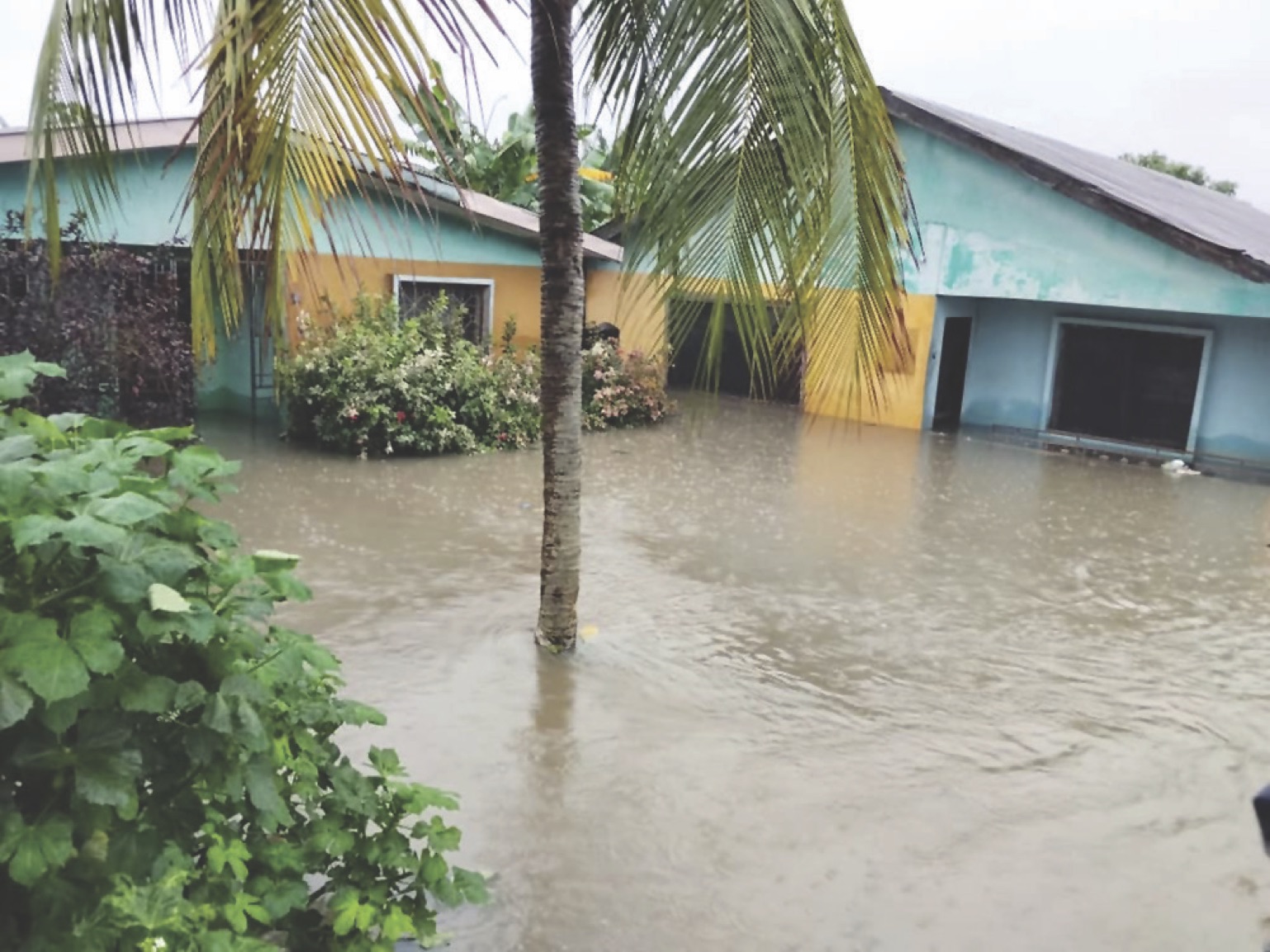
Hamman-Obels expressed sympathy with residents, families, motorists, businesses and communities affected by the recent flooding in the FCT, noting that the incidents had resulted in displacement, property damage, disruption of livelihoods and difficulty in movement.
She recalled that heavy rainfall on Saturday, August 15, triggered flash flooding in several parts of Abuja, including Adetokunbo Ademola Crescent in Wuse II, Gudu, Efab Estate in Lokogoma, Gaduwa, Durumi and Galadimawa.
Other affected areas, according to her, included Katampe, Mabushi, Lugbe, Gwarinpa, Asokoro, Utako, Wuye, Maitama and Ebeano-Gaduwa, among others.
She said several vehicles were submerged or damaged, while businesses were temporarily disrupted and some roads and connecting routes became difficult or impossible to navigate.
The IRIAD director said the flooding did not occur without warning, pointing out that the Nigeria Hydrological Services Agency (NiHSA), on July 30, had identified the FCT among areas at high risk of flooding following rising water levels on the Gurara River.
She added that the FCT Emergency Management Department (FEMD) had also warned that flood-prone communities remained vulnerable during the peak of the rainy season.
Hamman-Obels cautioned against the circulation of unverified statistics on the number of people or households affected by the August 15 flooding, saying no verified official figure had been publicly established.
She said what was established was that the flooding damaged vehicles and property, disrupted transportation, temporarily affected businesses, restricted access between communities, and increased risks to lives and livelihoods.
According to her, the repeated flooding of certain locations should serve as a warning to authorities and communities to intensify preventive measures before rainfall becomes more severe.
She called for regular drainage clearing and desilting, improved drainage capacity, protection of waterways and drainage corridors, enforcement of urban planning regulations, flood-risk mapping, early-warning systems and better community preparedness.
“Flood management cannot begin when the water has already risen. Prevention must come first,” she said.