Follow Us on Google
• Says Niger, Kaduna, Kwara, Delta, Kogi, Edo most at risk
From Charity Nwakaudu, Abuja
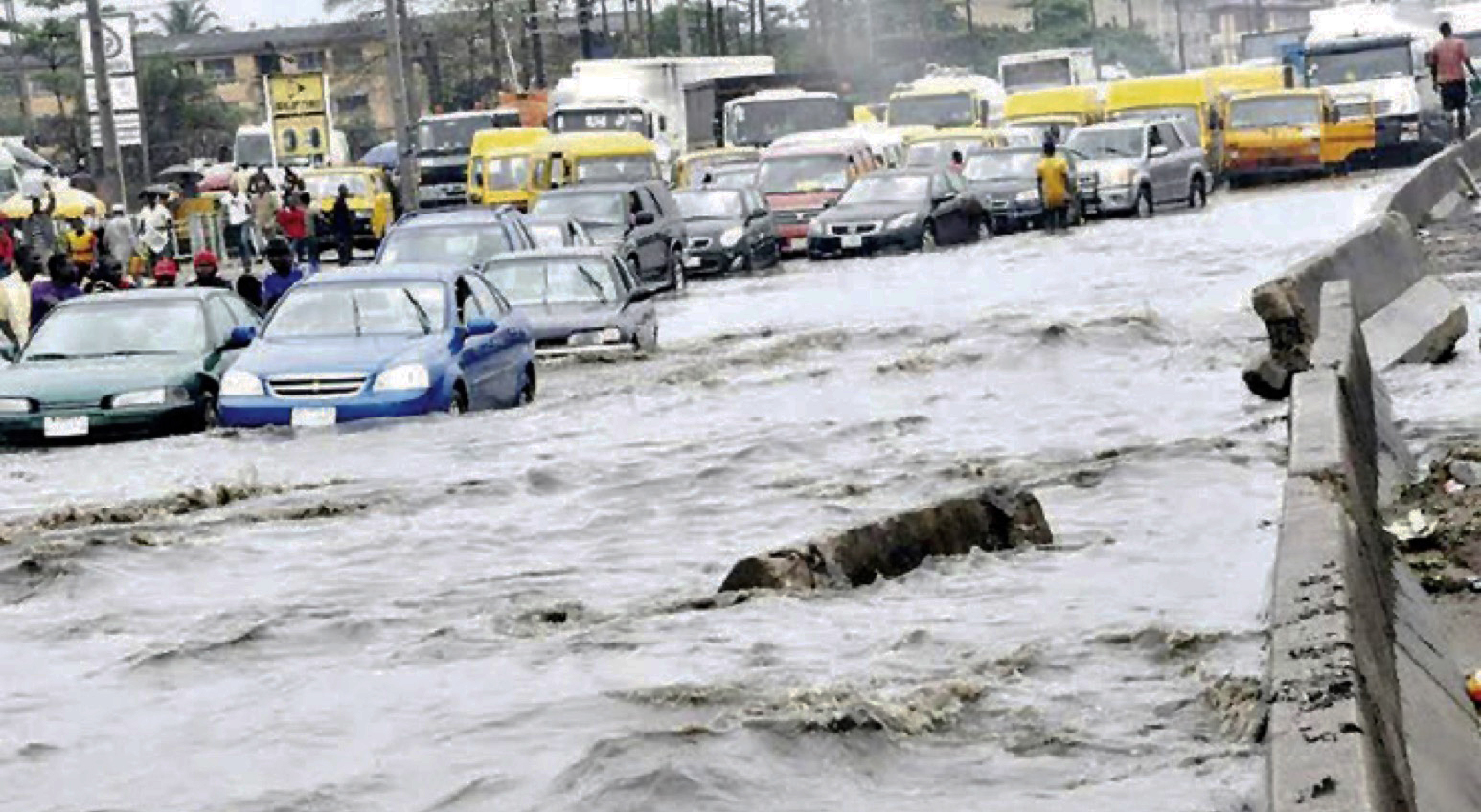
The Federal Government has placed 27 states on red alert over an imminent flood threat, urging residents of vulnerable communities to immediately relocate to higher ground as river levels continue to rise across the country.
It warned that severe flooding could occur between July 30 and August 5, following updated hydrological forecasts indicating elevated flood risks in several parts of the country.
Director-General and Chief Executive Officer of the Nigeria Hydrological Services Agency (NIHSA), Umar Ibrahim Mohammed, who issued the alert yesterday, stated that 53 major river monitoring stations nationwide were under close surveillance. He noted that critical flashpoints, including the Katsina Ala River, Aye River at Itoikin and the River Niger at Onitsha were already showing concerning water level increases.
According to him, Niger, Kaduna, Kwara, Delta, Kogi, and Edo States are among those at high risk of severe flooding while 21 other states are also on alert.
Other News
Mohammed warned that, without urgent preventive action, floodwaters could inundate homes, schools, hospitals, markets, places of worship, and thousands of hectares of farmland.
He called on state governments, local government authorities, the National Emergency Management Agency (NEMA), State Emergency Management Agencies (SEMAs), traditional rulers, and community leaders to immediately activate emergency preparedness and response measures.
The NIHSA chief also advised residents of flood-prone areas to relocate where necessary, adhere strictly to official flood advisories, stock essential emergency supplies, identify evacuation centres, clear blocked drainage systems, and avoid driving or walking through flooded roads and fast-moving waters.
“Early warning and collective preparedness remain our strongest tools against flooding.”
Mohammed assured Nigerians that NIHSA will continue to monitor river levels nationwide and provide timely forecasts and early warning information to protect lives, livelihoods and property.