Follow Us on Google

By Bianca Iboma-Emefu
As recurrent flooding continues to disrupt businesses, transportation and livelihoods across Nigeria, women engineers have called for greater emphasis on sustainable infrastructure and smart drainage designs to strengthen urban resilience and protect economic assets.
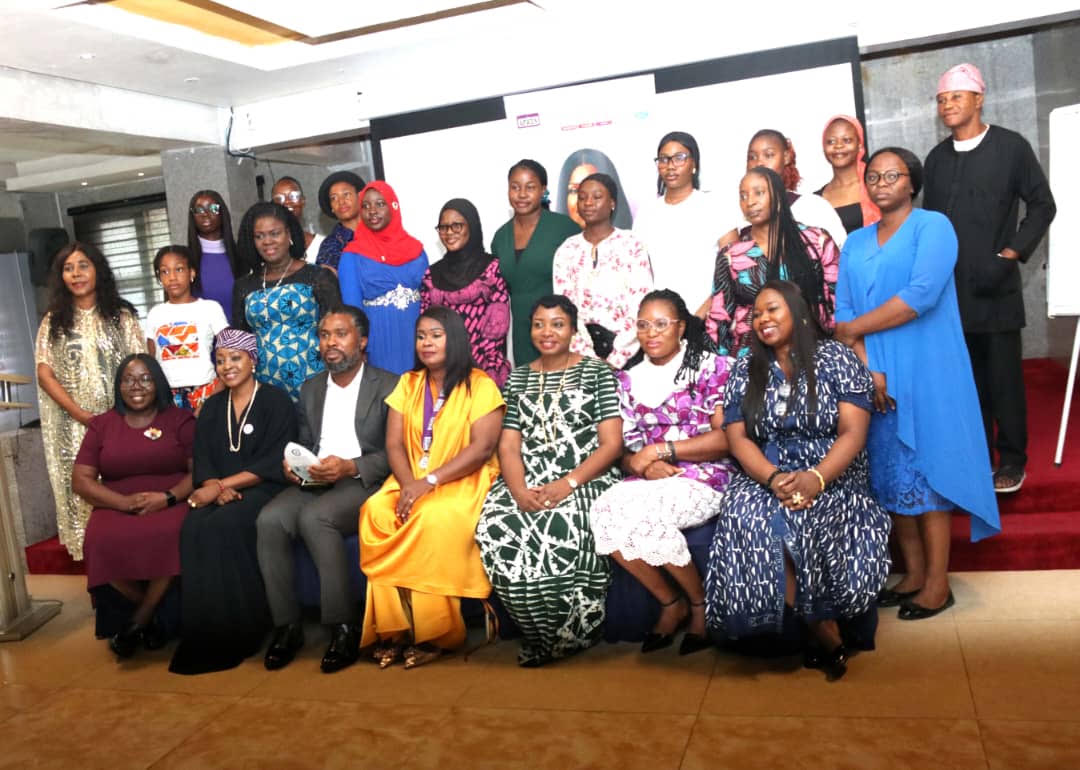
The call formed the focus of the Annual General Meeting and Public Lecture of the Association of Professional Women Engineers of Nigeria (APWEN), Victoria Island Chapter, held on Saturday, October 24, 2026, at BWC Hotels, Victoria Island, Lagos.
The event, themed “Sustainable Infrastructure for Nigeria’s Future: Smart Designs for Proper Drainage System,” brought together engineering professionals and industry stakeholders to examine how improved drainage infrastructure, innovative designs and effective performance monitoring could help address the country’s persistent flooding challenges.
The gathering placed the expertise of women engineers at the centre of discussions on infrastructure planning, highlighting the need for engineering solutions that respond to rapid urbanisation, changing climatic conditions and the growing pressure on existing drainage networks.
President of APWEN, Engr. Chinyere Nnenna Igwegbe, FNSE, led the association’s national leadership at the event, reinforcing its commitment to promoting women’s participation in engineering and ensuring their professional expertise contributes to national development.
Chairman of the APWEN Victoria Island Chapter, Engr. Nneamaka Grace Ekechukwu, FNSE, said the gathering was designed to encourage knowledge-sharing, professional collaboration and public engagement on sustainable infrastructure, particularly the need for effective drainage systems in Nigerian cities.
The keynote address was delivered by the National Chairman of the Nigerian Institution of Petroleum Engineers (NIPetE), Engr. Yetunde Aladeitan, PhD, FNSE, FNIPetE, FNSChE, whose professional background spans petroleum and chemical engineering.
Her participation brought a multidisciplinary perspective to the discussion, with the event focusing on the importance of applying rigorous engineering standards, sustainable planning and effective systems management to public infrastructure.
Other News
Also contributing an industry perspective was Engr. Ejike J. Erochukwu, FSEA, MNSE, R.Engr, Head of Production Performance at TotalEnergies Deep Water Asset.
His experience in managing complex operational systems provided a basis for discussions on reliability, performance monitoring and the potential application of smart technologies to municipal drainage and flood-control infrastructure.
The discussions came against the backdrop of recurring flooding in Lagos and other Nigerian urban centres, where inadequate drainage, rapid development and the growing strain on infrastructure have contributed to disruptions affecting households, businesses and transport networks.
For Lagos, where commercial activity and daily movement depend heavily on functional roads and supporting infrastructure, drainage failures can have consequences beyond flooded streets, affecting business operations, productivity and the movement of goods and people.
The focus on smart drainage designs therefore highlighted the need to consider infrastructure performance not only during construction but throughout its operational life, including maintenance, monitoring and adaptation to changing environmental conditions.
Under its guiding principles of Encourage, Enhance and Excel, APWEN promotes professional development and greater participation of women in engineering. The Victoria Island Chapter’s public lecture formed part of its efforts to connect professional expertise with practical challenges confronting Nigerian communities.
The event also provided a platform for engineers, policymakers, students, development partners and other stakeholders to exchange ideas on infrastructure planning and explore opportunities for collaboration.
As Nigeria grapples with the demands of urban growth and climate resilience, the gathering underscored the importance of integrating sound engineering principles into drainage planning and ensuring that infrastructure investments deliver lasting public value.
For APWEN Victoria Island Chapter, the challenge extends beyond identifying the causes of flooding to promoting sustainable engineering approaches capable of supporting safer, more resilient and economically productive communities.