Follow Us on Google

• Trainees to receive laptops, sewing machines, makeup, fermentation kits
From Juliana Taiwo-Obalonye, Abuja
Federal Government has expanded the National Poverty Reduction with Growth Strategy (NPRGS) to Oyo, Enugu and Kebbi states, with 1,200 youths expected to benefit from practical skills training and starter equipment under the first nationwide phase of the programme.
The initiative, being implemented by the Office of the Senior Special Assistant to the President on Technical, Vocational and Entrepreneurship Education (OSSAP-TVEE), is aimed at contributing to the government’s target of lifting 100 million Nigerians out of poverty within 10 years.
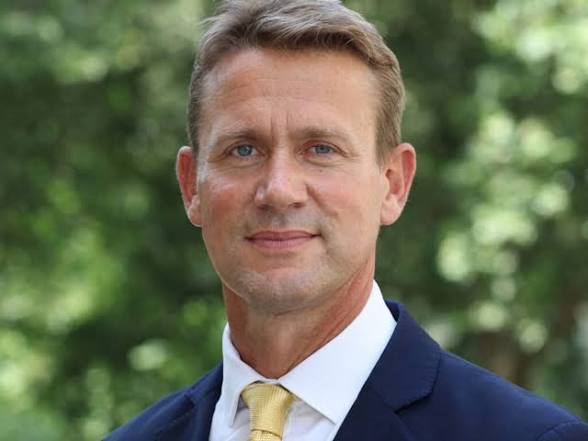
Senior Special Assistant to the President on TVEE, Abiola Arogundade, said the programme was a central pillar of President Bola Ahmed Tinubu’s Renewed Hope Agenda, stressing that Nigerian youths should be regarded as contributors to solving the country’s challenges.

She said the NPRGS was designed to equip young Nigerians with practical and marketable skills that could enable them to secure employment, establish businesses and become economically self-reliant.
The programme began with a pilot phase in Abuja on June 30, 2025, where participants underwent intensive 10-day training in cybersecurity and web development, alongside a solar energy installation upskilling track.
According to Arogundade, the Abuja pilot attracted more than 7,000 applications, reflecting strong demand for practical and vocational skills training.
She described the pilot as a success, noting that participants who initially approached the programme with scepticism completed the training with practical skills, including the ability to build their first websites and understand basic digital security principles.
Graduates of the Abuja programme also received laptops and certificates of completion.
Building on the pilot, the Federal Government is now expanding the NPRGS across the geopolitical zones, with each zone hosting 200 trainees in training sessions lasting between 10 days and two weeks.
The skills offered in each location are being selected based on local market demand, relevance and the preferences of the trainees.
In Oyo State, representing the South-West zone, training is scheduled to commence on September 28, 2026, and will hold daily from 9 a.m. to 5 p.m. for two weeks.
Participants will be trained in graphics and artificial intelligence (AI) design, makeup and fashion designing.
In Enugu State, one of the six designated training hubs, beneficiaries will receive training in makeup, solar energy installation and fashion designing.
The solar energy component will cover panel installation, maintenance and off-grid solutions.
Kebbi State, representing the North-West zone in the current phase, will offer training in graphics and AI design, fashion design and agriculture, with a focus on yoghurt making.
The agricultural training will cover dairy processing, packaging and small-scale agribusiness.
The Federal Government said participants would not leave the programme with skills alone, as each trainee would receive a complete training kit to take home after completing the programme.
Graphics and AI trainees will receive laptops, makeup trainees will receive fully equipped makeup kits, while fashion trainees will receive sewing machines and starter kits.
Participants in agriculture, specifically yoghurt making, will receive fermentation kits.
Arogundade said the provision of the equipment was intended to enable beneficiaries to immediately deploy their acquired skills and begin income-generating activities.
The programme’s objectives include equipping Nigerian youths with practical and marketable skills, reducing unemployment and underemployment, promoting entrepreneurship and self-reliance, and supporting the national goal of lifting 100 million Nigerians out of poverty within 10 years.
The Senior Special Assistant said the government’s approach was based on the conviction that skills development and entrepreneurship could provide sustainable pathways out of poverty.
She called on state governments, traditional rulers, community leaders and private-sector organisations to partner with the Federal Government as the programme expands to more states.
The NPRGS is expected to continue expanding beyond the current states, with the Federal Government using technical, vocational and entrepreneurship education as part of its broader strategy for poverty reduction and economic growth.
Arogundade said the programme was ultimately about creating opportunities for Nigerians to acquire skills, deploy productive tools and build sustainable livelihoods.