Follow Us on Google

From Okwe Obi, Abuja
The Federal Government has raised concerns over the spread of transboundary and migratory agricultural pests, assuring citizens that it would intensify efforts to combat and prevent invasion by pests and diseases in the food systems.
The government complained that transboundary and migratory pests – locusts, quelea birds, armyworms, and several invasive plant diseases over the years have threatened food security, rural livelihoods, and the national economy, which had become more frequent and severe due to climate variability, increased movement of goods and persons, and ecological changes.
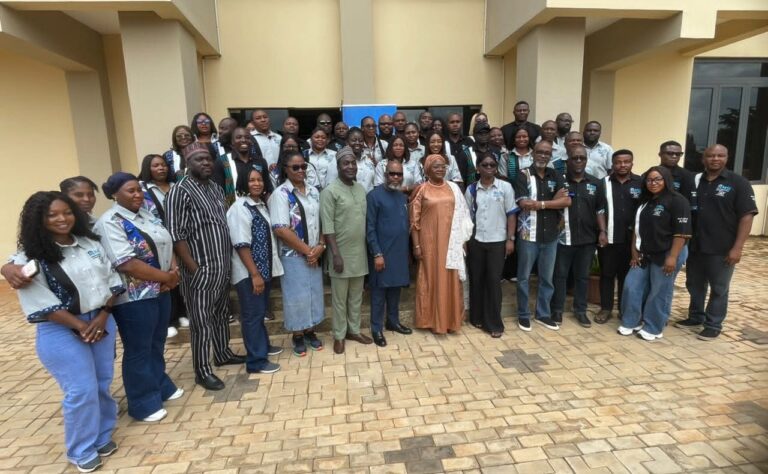
Permanent Secretary, Ministry of Agriculture and Food, Marcus Ogunbiyi, who raised the alarm at the ‘Experts Workshop on the Review and Validation of the National Integrated Pest and Plant Diseases Management Strategy for the Control of Transboundary and Migratory Agricultural Pests’, held in Abuja, tasked stakeholders to share ideas to prevent the invasion of pests into the nation’s food space.
Ogunbiyi pointed out that the workshop was timely and commended the participants for their steadfast commitment to building a resilient and productive agricultural sector.
He described the workshop as a “significant step” by a collective effort to strengthen national mechanisms for “safeguarding agricultural productivity” and ensuring food security in the face of evolving pest and disease challenges.
More so, he commended the Food and Agriculture Organization (FAO) for its continued technical support and for standing with Nigeria in its shared mission to achieve a pest-resilient agricultural sector.
He said: “Agriculture remains the backbone of our national economy, supporting millions of livelihoods, ensuring food security, and driving industrial growth and exports.
“However, the sector faces significant challenges from recurring emerging and re-emerging pest and disease outbreaks, many of which are transboundary and migratory.
“Recent invasions by pests such as the Fall Armyworm, Ginger blight, Tuta absoluta, Quelea birds and other invasive species have caused substantial crop losses, reduced productivity, and severe economic setbacks, particularly for smallholder farmers.
“The impacts of these pest and disease outbreaks reach far beyond the farms, undermining food and nutrition security, threatening livelihoods, and in some instances posing risks to national stability.
“Effectively addressing these complex challenges demands a coordinated, science-based, and sustainable approach which is precisely the objective of the National Integrated Pest and Plant Diseases Management Strategy.
“This Strategy offers a comprehensive approach to pest prevention, early detection, rapid response, and sustainable management, built on the principles of Integrated Pest Management (IPM).
‘Blending biological, cultural, mechanical, and chemical methods while protecting human health, beneficial organisms, and the environment.
“Emerging pests, resistant pathogens, climate-driven pest migrations, and changing farming systems demand that our strategies remain dynamic and adaptive.
“It is for this reason that we are gathered today: to review, validate and strengthen this national Strategy, ensuring it meets both current and future pest management challenges effectively.”
He also assured Nigerians of the Ministry’s commitment “to providing the necessary institutional support, strengthening extension services, building farmers’ capacity, and ensuring adequate resources for pest monitoring, early warning rapid response systems to safeguard plant health.”
On his part, Director, Plant Health and Pest Control Services, Department, Grace Iwendi, explained that, “This workshop therefore provides us with a strategic platform to harmonise expert knowledge, field experience, global best practices, and national priorities, as we work collectively to refine and validate a robust Integrated Pest and Plant Diseases Management Strategy for the country.
“Our goal is clear: To develop a dynamic, science-driven, and actionable national strategy that enhances our capacity to prevent, detect, control, and manage transboundary and migratory pests and diseases in a timely and coordinated manner.”