Follow Us on Google
From Adanna Nnamani, Abuja
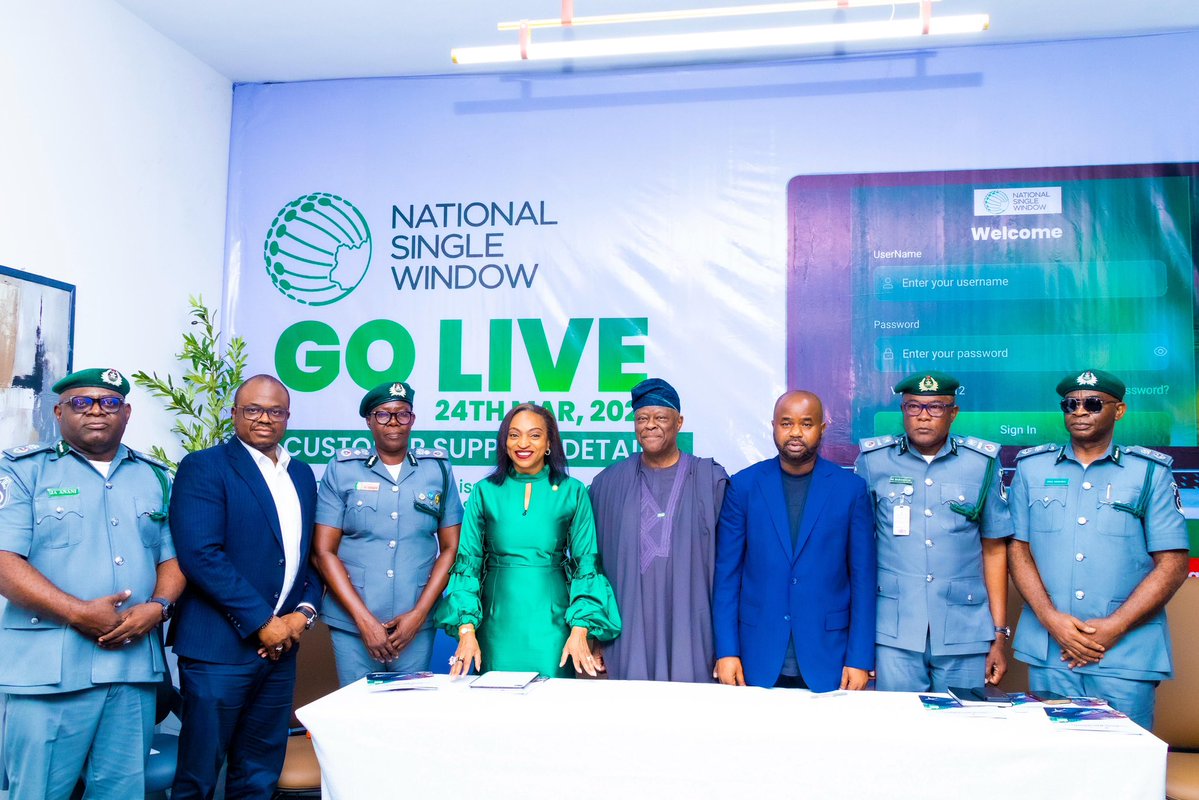
The federal government has unveiled a major trade reform initiative aimed at cutting port delays by more than 60 per cent, with the launch of Phase 1 of the National Single Window (NSW), a digital platform designed to streamline cargo clearance and boost efficiency across Nigeria’s ports.
The initiative, which forms part of a broader strategy to modernise the country’s trade ecosystem, is expected to reduce cargo dwell time from the current average of 18–21 days to under seven days by 2026, aligning Nigeria more closely with global benchmarks.
In a statement brief issued on Tuesday, the Special Adviser to the Minister of Finance and Coordinating Minister of the Economy on Media and Communications, Ogho Okiti, said the reform directly targets long-standing inefficiencies in documentation and regulatory processes that account for the bulk of delays at Nigerian ports.
According to the brief, about 73 per cent of cargo dwell time in the country is tied to transaction delays, including documentation, customs processing, and regulatory approvals, rather than physical infrastructure constraints.
To address this, he said the National Single Window introduces a unified digital platform that enables electronic submission of licences, permits, and certificates, centralised risk management, digital manifest processing, and transparent electronic payments. The system, according to him, is expected to significantly reduce human interface, eliminate duplication, and improve the predictability of cargo clearance timelines.
Okiti noted that the digital reform is being implemented alongside the planned upgrade of Apapa and Tin Can ports, which together handle about 70 per cent of Nigeria’s trade volume. The SA emphasised that both reforms are designed to work in tandem, with the NSW addressing process inefficiencies while port upgrades resolve physical bottlenecks.
Other News
Without the digital platform, Okiti noted, port congestion would persist due to slow documentation, while improved infrastructure alone would be undermined by administrative delays. He said the expected outcome is a more efficient end-to-end trade system that delivers faster clearance times, reduces logistics and demurrage costs for businesses, and enhances Nigeria’s competitiveness in regional and global markets.
For importers and manufacturers, he said the reform is expected to ensure quicker access to raw materials and reduce inventory costs, while exporters stand to benefit from improved access to international markets and fewer delays, particularly under the African Continental Free Trade Area (AfCFTA).
At the macro level, he said the government projects that the initiative will lower the cost of goods, increase trade volumes, and boost revenue through improved compliance and transparency.
Addressing concerns over the port upgrade partnership, Okiti maintained that the arrangement is not a zero-sum deal, noting that Nigeria stands to gain modern infrastructure, job creation, and increased investment attractiveness, while partners participate in financing and delivery.
“Nigeria has taken a decisive step to modernise its trade ecosystem with the launch of Phase 1 of the National Single Window. This reform directly tackles the largest source of delays in our ports, transaction inefficiencies, which account for 73 per cent of cargo dwell time.
“Our target is clear: to reduce cargo dwell time from the current 18–21 days to under seven days by 2026. This is not just about speed; it is about lowering the cost of doing business, improving competitiveness, and unlocking economic growth.
“This is not a zero-sum arrangement. Nigeria gains modern infrastructure, reduced congestion, job creation, and stronger trade competitiveness, while partners participate in financing and delivery. The outcome is faster economic transformation for the country,” the statement read in part.