Follow Us on Google
From Charity Nwakaudu, Abuja
Nigeria has officially launched its Clean Hydrogen Roadmap, signalling a major push for energy security, industrial growth, and net-zero emissions by 2060.
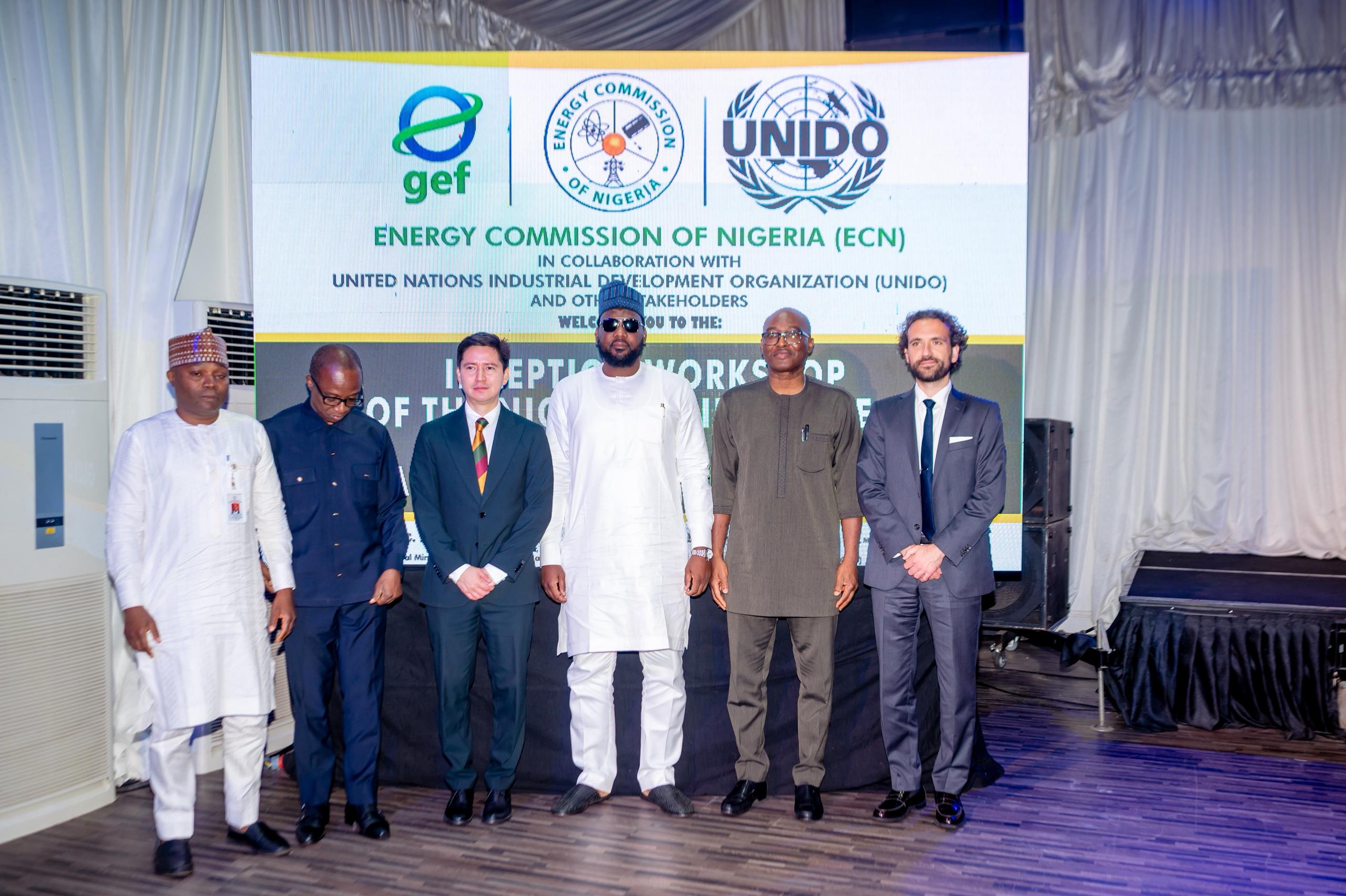
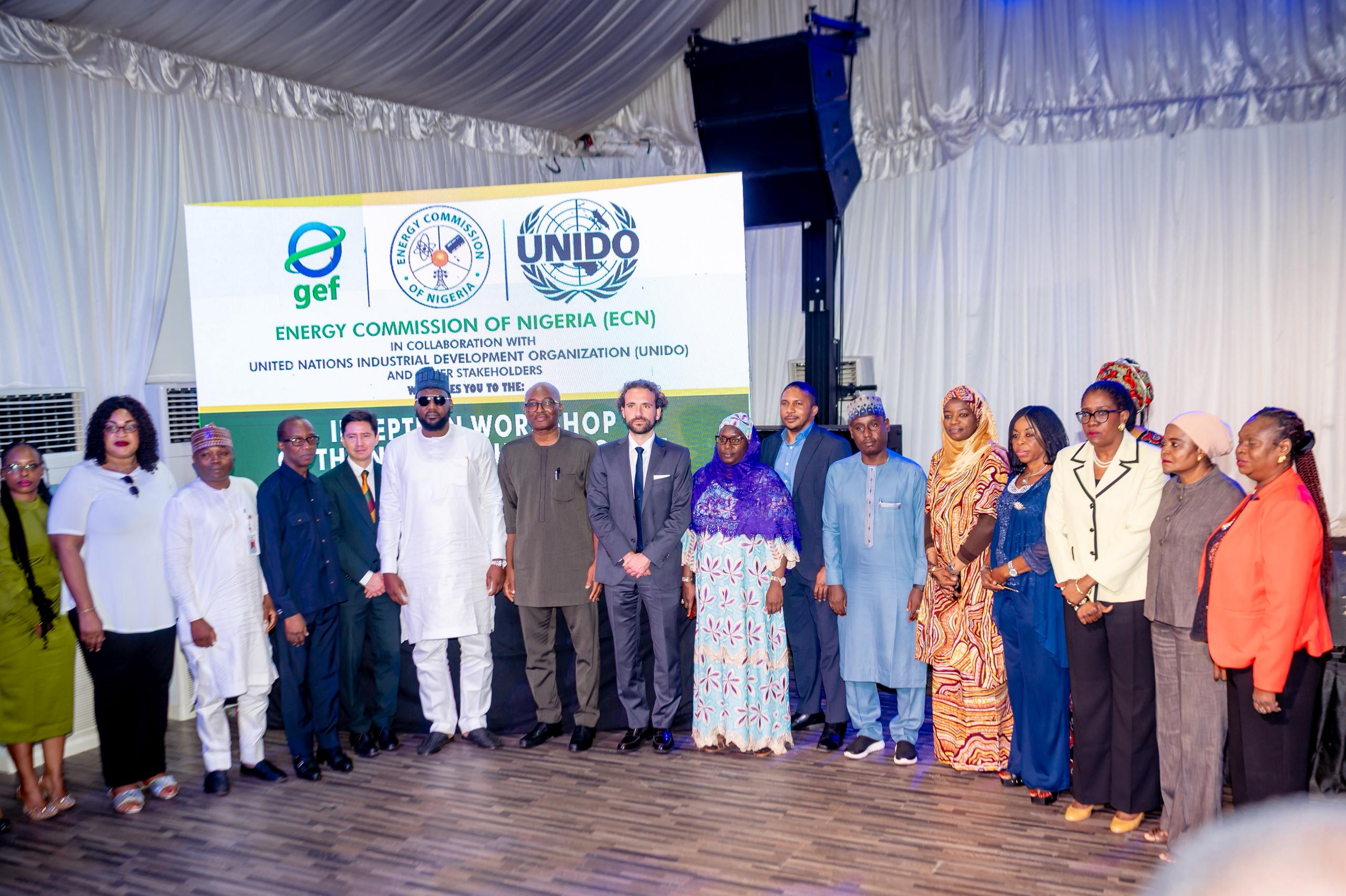
Speaking at the inaugural meeting of the Project Steering Committee (PSC) for the Nigeria CHILD Project in Abuja, the Director-General of the Energy Commission of Nigeria (ECN), Dr Mustapha Abdullahi, described the initiative as a “historic milestone” in the country’s energy transition.
He said the project, supported by the Global Environment Facility (GEF) and the United Nations Industrial Development Organisation (UNIDO), is designed to drive industrialisation, create jobs, and reposition Nigeria’s energy mix.
“Green hydrogen is uniquely positioned to decarbonise hard-to-abate sectors such as manufacturing, steel and chemical production,” he said.
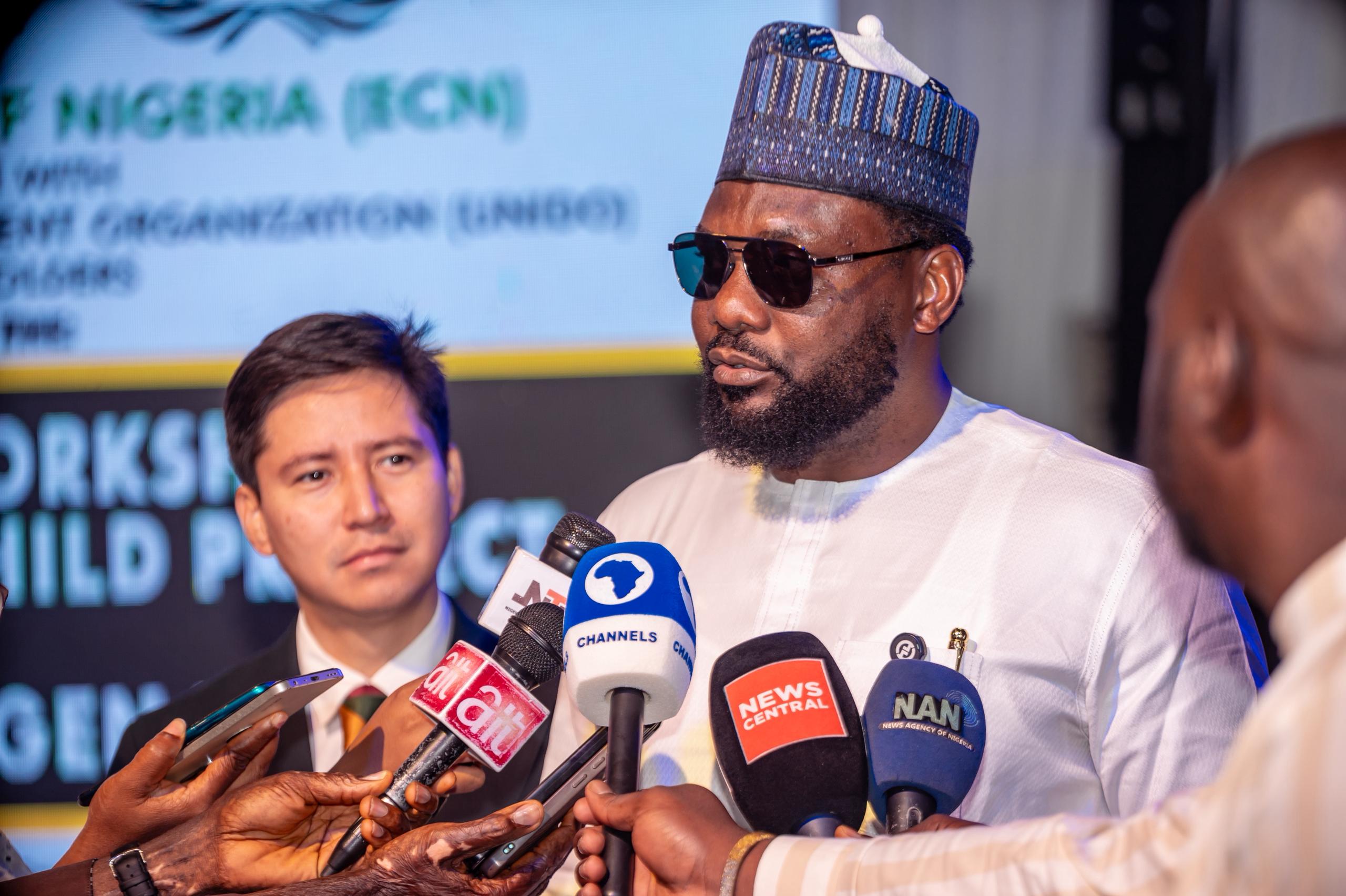
Abdullahi said the initiative aligns with President Bola Tinubu’s Renewed Hope Agenda, adding that it would reduce dependence on fossil fuels and strengthen economic diversification.
“We have the political will, we have international backing, and we have the technical expertise to deliver,” he added.
He thereafter declared the workshop and PSC meeting open.
UNIDO representative, Ambassador Philbert Johnson, described the initiative as a key milestone in Nigeria’s drive towards industrial decarbonisation and sustainable energy development.
He commended the Energy Commission of Nigeria as the executing entity, as well as the Federal Ministry of Environment, GEF, and other partners, for their support.
Other News
Johnson explained that the Nigeria project is part of a GEF-8 global programme implemented across nine developing countries to scale up green hydrogen in hard-to-abate sectors such as heavy industry and transport.
He said the five-year project (2026–2029) will strengthen policy frameworks, improve technical readiness, and support pilot green hydrogen projects in Nigeria.
The programme covers policy development, technical readiness, industrial clusters and pilots, knowledge sharing, and monitoring and evaluation.
Aligned with Nigeria’s Energy Transition Plan, it is expected to deliver a national hydrogen roadmap, identify priority sectors, establish pilot projects, and expand knowledge systems.
About 1,250 Nigerians are expected to benefit directly, with emphasis on women and youth inclusion.
UNIDO also reaffirmed its commitment to Nigeria’s industrial transformation under its Programme for Country Partnership (2024–2028), focused on MSMEs, innovation, industrial policy, and infrastructure.
A UNIDO expert, Luis Umamzor, in his presentation, cautioned that abundant water alone does not guarantee a viable hydrogen economy.
“Just because you have water doesn’t mean you can produce hydrogen everywhere,” he said, stressing the need for infrastructure, technical readiness and community engagement.
He added that the project will assess Nigeria’s hydrogen potential, identify viable production sites, and explore opportunities such as fertiliser and other industrial value chains.
He further stressed that the initiative is expected to play a key role in Nigeria’s long-term decarbonisation strategy while opening new opportunities for clean energy investment and industrial growth.