Follow Us on Google
From Idu Jude, Abuja
The Federal Government of Nigeria, through the Ministry of Education, says it is ready to end bullying in all Nigerian schools through the collaborative efforts of all stakeholders to ensure the proper implementation of the existing anti-bullying policy.
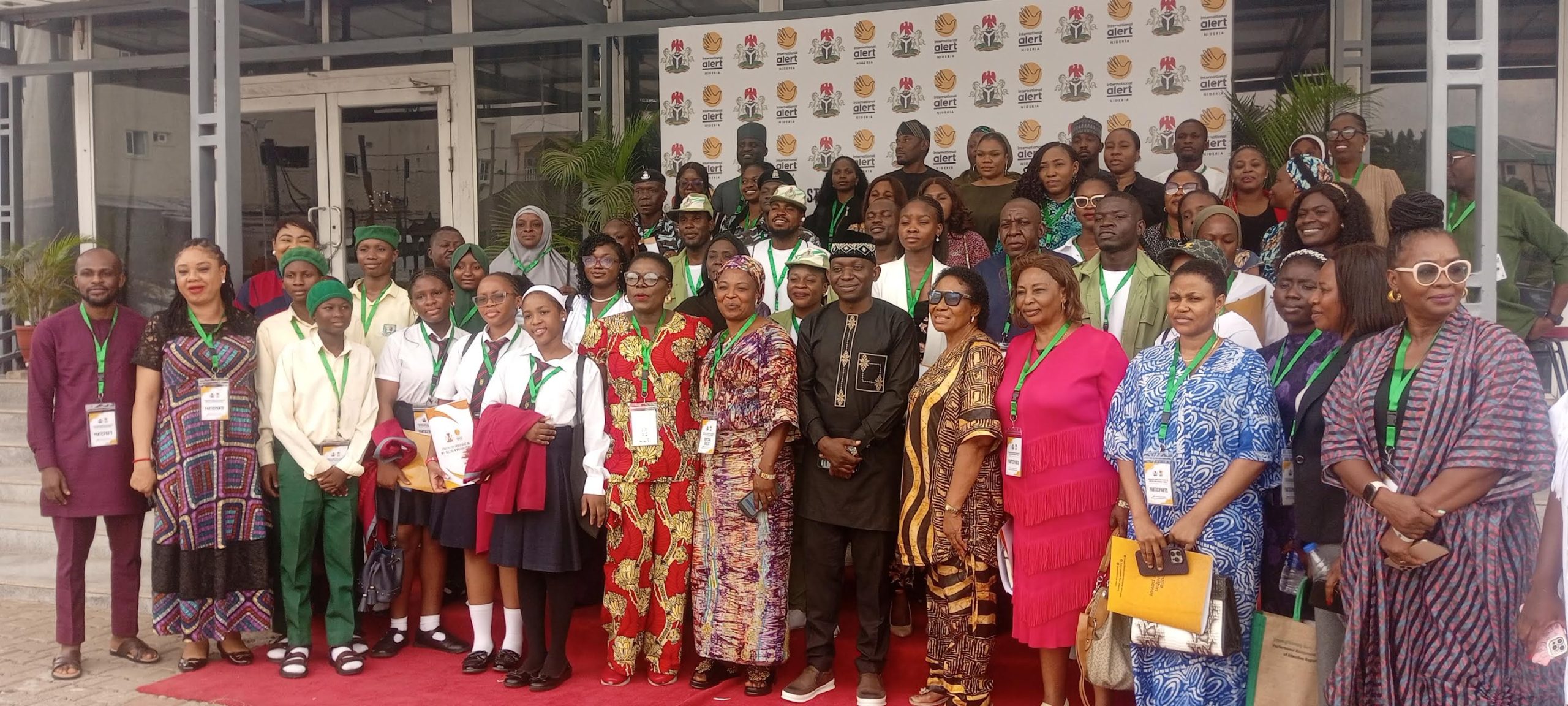
The Permanent Secretary of the Ministry, Mr Abel Enitan, while delivering a speech at a stakeholders’ engagement dialogue on anti-bullying in Nigerian schools, convened by the rights advocacy group International Alert, stated that bullying in Nigerian schools has become a menace that needs to be brought to an end to ensure optimal performance in children.
Represented by the Assistant Director of the Gender Department at the Ministry of Education, Mrs Apakasa Augustina, he said the ministry is in full support of the anti-bullying advocacy, which is in line with the ministry’s developed anti-bullying policy, featuring a standing implementation committee already working to ensure that the menace is brought to an end in all Nigerian schools and beyond.
Speaking in an opening speech, Mr Sunday Momo Jimoh, the Programme Manager for International Alert, highlighted that the organisation has taken an interest in discussing the dangers of bullying and ensuring advocacy for peacebuilding. He stated that the programme in focus, “bullying in Nigeria has become something that has come very alarming in the recent past. And recently in Edo, we all saw what happened, and International Alert followed keenly how that issue was resolved, and that led us into organising this dialogue on how to bring people together in terms of policy action that will address bullying, starting with Nigerian schools.”
However, he noted that bullying is not only noticed in Nigerian schools but everywhere in society. “I can tell you that the Nigerian President is most bullied across the world, so bullying can happen to anyone. It doesn’t just domicile in schools but in sports, at home, and other places. Today’s event brings people from various parts of society to discuss with the government, schools, and key stakeholders to discover what the gaps are and put what is necessary on the table for discussion.”
He said that a communiqué, a consent note, and an advocacy message will be developed at the end of the dialogue. The essence, according to him, is to know how to approach policymakers, noting that such will complement a bill on bullying passed in 2025, and address the extent of implementation. The communiqué, he said, will also feature how it will galvanise advocacy groups, donors, and government representatives to close up gaps that will cause resistance.
Also speaking, the Director General of NAPTIP, Binta Lamin Bello, who was represented by Mrs Becky Ewusoyele, highlighted that bullying—whether physical, verbal, psychological, or digital—remains a serious threat to the safety, dignity, and development of individuals, particularly children and adolescents.
She said in recent years, the rise of cyberbullying through social media platforms has further complicated this challenge, extending harm beyond physical spaces into the digital lives of our young people. “At NAPTIP, we recognise that bullying is not just a behavioural issue but a violation of human rights.
“It undermines self-worth, disrupts education, and, in extreme cases, can expose victims to further exploitation and abuse. Addressing bullying is therefore closely aligned with our broader mandate to protect vulnerable persons and promote a culture of respect, safety, and accountability.
Other News
“We must all take collective responsibility. Schools must strengthen policies that promote inclusivity and enforce zero tolerance for bullying. Parents and guardians must foster open communication, empathy, and moral guidance at home. Community leaders, faith-based organisations, and the media must actively advocate for behavioural change and positive social values.”
Furthermore, Binta Bello suggested that there is a pressing need to equip young people with the knowledge and tools to identify, resist, and report bullying. “Awareness campaigns, peer education programmes, and safe reporting mechanisms are essential in building resilience and ensuring that no victim suffers in silence.”
She reminded those present that NAPTIP remains committed to collaborating with government agencies, civil society organisations, and international partners to implement sustainable interventions that protect the rights and well-being of every Nigerian child.
Mr Augustine Udoh, of the Ministry of Youth Development, who represented the Permanent Secretary, Dr Maina Keahinro, informed the gathering that the ministry is also ready to collaborate with any advocacy group or government agency for the implementation of the policy targeted at curbing the bullying menace.
Speaking virtually from the United States, Dr Margaret Ebubedike, a Senior Research Fellow in International Education and Development at the Open University, and Professor Tajudeen Akanji, of Industrial and Peace Studies and former Director of the Institute for Peace and Conflict Resolution Studies at the University of Ibadan, corroborated that statistics have shown bullying is at an alarming stage in Nigerian schools and in society to a larger extent.
They stated that the government and other advocacy groups should, as a matter of fact, kickstart advocacy to fight the scourge.
Meanwhile, the keynote speaker during the dialogue, Ms Ayotola Olori, a behavioural change expert, identified several steps and differences between bullying by students and parents. She highlighted that society should waste no more time, as it is already infested with the adverse effects of bullying.
“I can tell you that post-COVID-19 effects on the youths who stayed at home for close to two years added to the danger of aggressiveness and bullying at schools or homes.”
The one-day event was designed to identify stakeholders to collaborate with the government in the advocacy action.