Follow Us on Google
…Manufacturing share to hit 25% by 2035
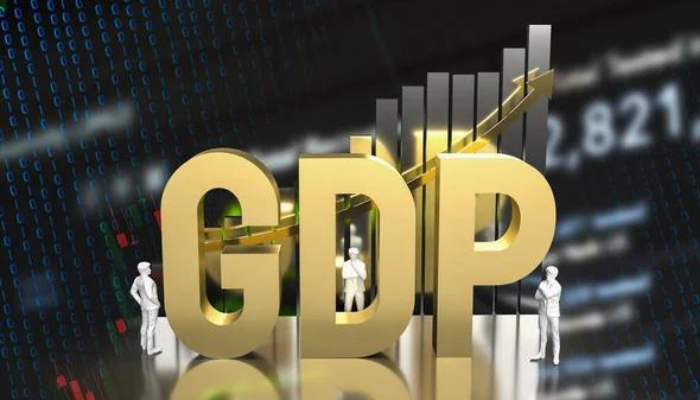
The federal government has unveiled an ambitious plan to channel up to five per cent of Nigeria’s Gross Domestic Product (GDP) annually into industrial development financing, signalling a decisive pivot toward large-scale production, export competitiveness and job creation.
The commitment is embedded in the Nigeria Industrial Plan (NIP), launched in Abuja by the Federal Ministry of Industry, Trade and Investment (FMITI). The framework harmonises fiscal, monetary, export and industrial policies into a single strategy aimed at accelerating inclusive and sustainable industrial growth.
At the heart of the blueprint is a bold financing target. Government plans to recapitalise the Bank of Industry to N3 trillion by 2026 while expanding sector-specific intervention funds, many domiciled with the Central Bank of Nigeria, to boost long-term funding for priority sectors. While the policy outlines the scale of ambition, it is silent on detailed funding sources and structures.
The NIP sets measurable output goals. Manufacturing is projected to contribute 15 per cent to GDP by 2030 and 25 per cent by 2035. Mining is expected to account for eight per cent by 2030 and 10 per cent by 2035. Immediate focus will be on four sectors: metals and solid minerals, oil and gas, construction, and manufacturing.
Minister of State for Industry, John Owan Enoh, described the initiative as a strategic shift in national priorities. A central feature is a consolidated incentive structure aligned with the Nigeria Tax Act 2025.
The new Economic Development Incentive replaces the Pioneer Status Incentive, tying tax relief directly to measurable outcomes such as investment size, output expansion and job creation.
To support small businesses, the policy introduces an Interest Drawback Scheme for Micro, Small and Medium Enterprises (MSMEs). Eligible firms will pay commercial lending rates but receive partial refunds once they meet agreed performance milestones, including employment targets or export growth.
Vice President Kashim Shettima stressed that industrialisation would require cross-sector coordination. “As we advance the work of industrialisation, we must be clear-eyed about what it demands. It requires deliberate coherence across energy, trade, infrastructure, finance, skills and innovation. Above all, it calls for a purposeful partnership between government and the private sector,” he said.
The framework also emphasises technology and sustainability, identifying automation, robotics and digital manufacturing as critical growth drivers. It sets a target of 25 per cent renewable energy usage in the industrial sector by 2030, aligning with Nigeria’s Energy Transition Plan and net-zero ambition by 2060.
Human capital development features prominently, with plans to overhaul Technical and Vocational Education and Training programmes and deepen collaboration between academia, industry and public institutions.
Positioned within the African Continental Free Trade Area framework, the policy aims to transform Nigeria into a net exporter of manufactured goods and a regional supply chain hub. Backed by a five-year roadmap from 2025 to 2030, officials say success will be measured by increased domestic production, mobilised private capital and sustained export growth.