Follow Us on Google

From Fred Ezeh, Abuja
The Federal Government said on Wednesday that it is promoting self-care as part of efforts to reduce pressure on hospitals, improve disease prevention and expand access to healthcare through Nigeria’s primary healthcare system.
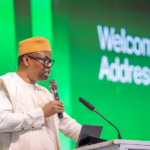
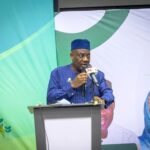
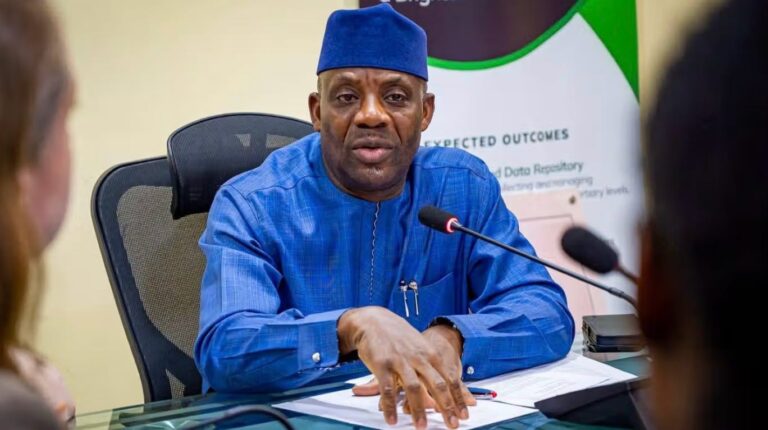
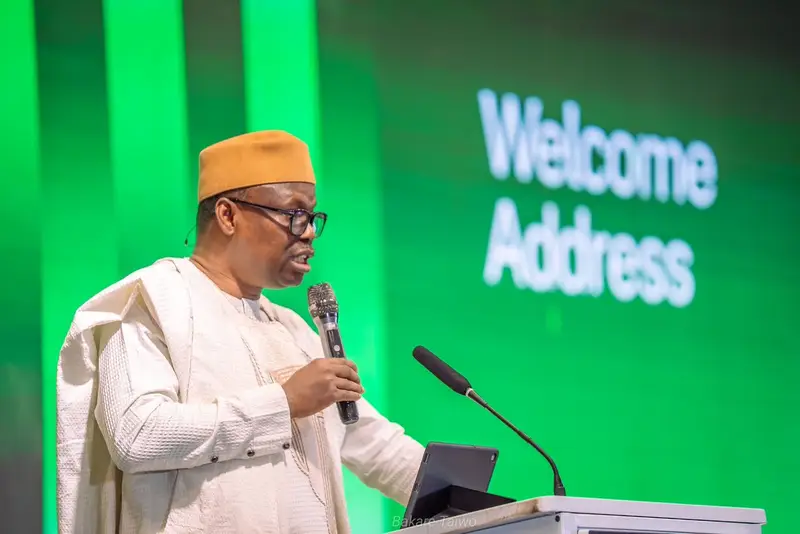
Minister of State for Health and Social Welfare Dr Iziaq Adekunle Salako disclosed this at the inaugural Nigeria National Self-Care Conference held at the Nigerian Army Conference Centre and Suites, Abuja.
The conference, themed “Self-Care Puts Your Health in Your Hands: Test. Track. Thrive”, brought together government officials, development partners and health sector stakeholders to explore ways of empowering Nigerians to take greater responsibility for their health.
Salako said the Federal Ministry of Health and Social Welfare would promote self-care through supportive policies, public education, regulation of self-care products and the integration of appropriate self-care tools into the healthcare system, particularly at the primary healthcare level.
He described evidence-based self-care as an important strategy for strengthening disease prevention, improving health outcomes and advancing Universal Health Coverage (UHC).
According to him, self-care empowers individuals to make informed health decisions, identify potential health risks early and seek professional medical attention when necessary.
“Self-care does not replace professional healthcare nor absolve the health sector and government of its responsibility to provide accessible, affordable and quality health services,” he said.
The minister explained that self-care complements professional healthcare by extending health-related knowledge and appropriate interventions beyond hospitals and clinics to homes, workplaces and communities.
He said the government would continue to invest in health facilities, skilled personnel, essential medicines and functional referral systems to ensure that Nigerians could access professional medical care when needed.
Salako also urged Nigerians to observe preventive health measures and cooperate with public health officials following the reported imported case of Ebola Virus Disease (EVD) in Abuja.
Other News
He called for proper hand hygiene, appropriate disinfection and compliance with public health guidance to support efforts to contain the infection.
Explaining the conference theme, the minister said testing could help identify health risks early, while tracking indicators such as blood pressure, blood glucose, physical activity and medication adherence could improve the management of chronic conditions.
The (WHO) Coordinator for Strategic Health Policy and Planning, Dr Mary Brantuo, said self-care could help bridge critical gaps in healthcare access, particularly in underserved communities.
Brantuo said self-care was not intended to replace health systems but to extend their reach by equipping people with the knowledge, tools and confidence to make informed decisions about their health.
She identified HIV self-testing, contraceptive self-injection and self-monitoring as evidence-based interventions that could improve access to care.
The WHO representative reaffirmed the organisation’s commitment to supporting Nigeria in institutionalising and expanding quality self-care interventions. She stressed that success required government ownership, private-sector engagement, community participation, digital innovation and youth leadership.
Also speaking, Emeka Okafor, Group Director, Population, Health and Community Systems, Donor-Funded Portfolio Directorate, Society for Family Health (SFH), said healthcare became more effective when services responded to how people accessed information and made health decisions.
Okafor noted that people increasingly sought health information in their homes, pharmacies, communities and through mobile phones, making it necessary to provide reliable information and appropriate services in these everyday settings.
He called for stronger links between self-care and primary healthcare, sustainable financing, responsible use of technology and meaningful community participation.
Salako urged state governments, healthcare professionals, researchers, development partners, private-sector organisations and community leaders to translate the conference’s discussions into measurable commitments.
He stressed that self-care must be safe, affordable, accessible and inclusive, regardless of income, disability, gender or geographical location, while ensuring that professional medical support remains available whenever necessary.