Follow Us on Google
•As Africa unites to safeguard financial stability
From Adanna Nnamani, Abuja
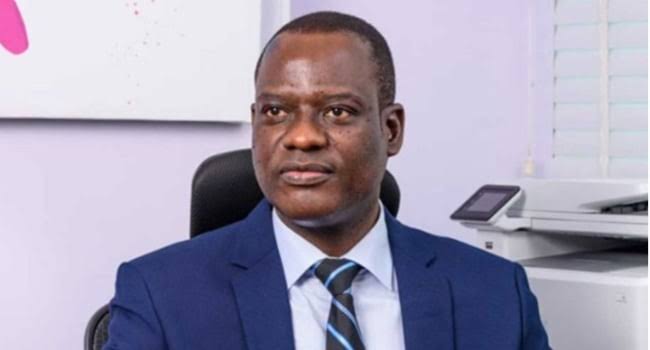
The Minister of Finance and Coordinating Minister of the Economy, Mr Taiwo Oyedele, has warned that fear, rumours and misinformation could trigger instability in the banking sector if not properly managed.
Oyedele gave the warning on Tuesday in Abuja at the opening of the 2026 International Association of Deposit Insurers (IADI) Africa Regional Committee (ARC) Annual Meeting and Workshop, with the theme: “Safeguarding Stability: Public Awareness and Crisis Readiness for a Stronger Future.”
The minister said public confidence remained the foundation of every stable financial system, stressing that panic triggered by false information could create liquidity challenges even for financially sound institutions.
According to him, “there can be no economic growth without financial system stability, and there can be no financial stability without public trust.”
He explained that in the digital age, misinformation could spread rapidly across social media platforms, causing depositors to react out of fear.
“Public trust is fragile. In the digital age, rumours and misinformation can spread across social platforms in seconds, creating liquidity shocks even for solvent institutions,” Oyedele said.
He stressed that building public awareness should not be viewed as a public relations activity, but as a key risk management strategy capable of protecting depositors and strengthening the financial system.
Oyedele noted that deposit insurance had evolved beyond a mechanism for handling bank failures, describing it as a strategic tool for promoting confidence and economic stability.
He said effective crisis preparedness required clear frameworks, communication channels, simulation exercises and coordination among financial sector regulators before emergencies occur.
“Preparedness is not an event, it is a culture,” he said, adding that the strongest crisis response was one that prevented panic from occurring in the first place.
Highlighting Nigeria’s financial sector reforms, the minister said the country’s banking recapitalisation exercise, concluded in March 2026, strengthened the resilience of banks.
He disclosed that 33 out of Nigeria’s 37 banks met the new capital requirements, raising a combined N4.65 trillion in fresh capital, with over 70 per cent sourced from domestic investors.Oyedele said a better-capitalised banking system would be better positioned to absorb shocks, sustain lending and reduce pressure on the deposit insurance fund.
He also pointed to Nigeria’s removal from the Financial Action Task Force (FATF) grey list in October 2025 as another milestone that strengthened confidence in the country’s financial system.
Other News
Also speaking, Governor of the Central Bank of Nigeria (CBN), Mr Olayemi Cardoso said public awareness and crisis preparedness were central to maintaining financial stability.
Represented by Solaja Olayemi, Director, Other Financial Institutions Supervision Department represented, Cardoso said financial systems globally were undergoing rapid transformation due to technological innovation, digital finance, changing consumer behaviour and increasing market interconnectedness.
According to him, while these developments create opportunities, they also introduce new risks that require stronger cooperation among financial safety-net institutions.
The CBN boss warned that misinformation could spread quickly through digital channels, amplifying depositor reactions and creating potential threats to financial stability.
He added that institutions must continuously strengthen crisis management frameworks, operational resilience and coordination mechanisms to respond effectively to emerging challenges.
The apex bank governor also highlighted the impact of Nigeria’s banking sector recapitalisation policy, saying stronger capital buffers would reduce the likelihood of bank failures and reinforce depositor confidence.
“No single institution can safeguard financial stability in isolation. It is through the coherence and complementarity of this institutional relationship that Nigeria’s financial safety net derives its strength,” he noted.
Earlier, the Managing Director/Chief Executive Officer of the Nigeria Deposit Insurance Corporation (NDIC), Mr Thompson Sunday, said confidence remained the most valuable asset in any financial system.
The NDIC boss said trust could take years to build but could be lost quickly if stakeholders perceived uncertainty or instability. He said deposit insurers must ensure that the public understands and trusts existing protection frameworks during both normal periods and times of crisis.
He noted that the 2023 global banking turmoil highlighted the need for institutions to invest in crisis simulation exercises, contingency planning and effective communication strategies.
According to him, the NDIC has continued to strengthen its operational readiness through improved depositor reimbursement systems, public awareness initiatives and enhanced crisis management capabilities.
He added that the Africa Regional Committee had become an important platform for peer learning, technical cooperation and policy dialogue among deposit insurers across the continent.
The meeting brought together deposit insurers, central banks, regulators and financial sector stakeholders from across Africa to discuss ways of strengthening financial safety nets and improving crisis preparedness.