Follow Us on Google
• Demand legal recognition, reject proposed tax policy
From Charity Nwakaudu, Abuja
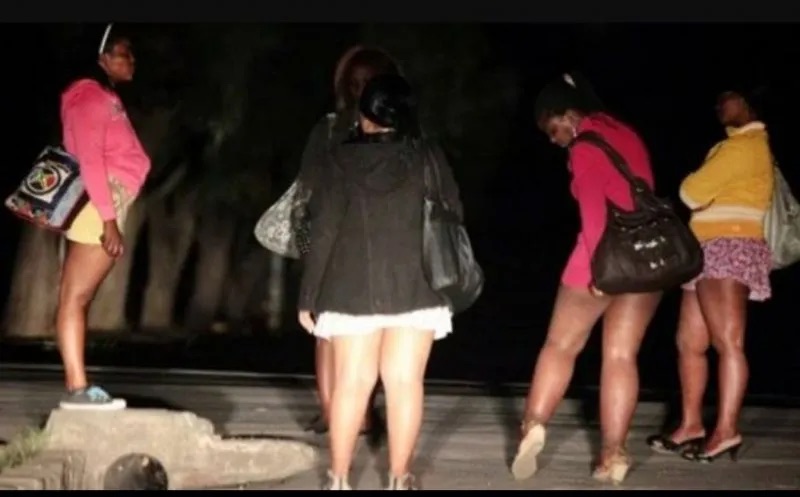
Sex workers in the Federal Capital Territory (FCT), Abuja, have strongly opposed government’s proposed plan to impose taxes on their activities, insisting that such a move would only be acceptable if their work is first legalised and their rights fully protected.
The workers described the proposal as an attempt by government to “profit from illegality” while ignoring the discrimination and dangers they face daily.
A sex worker who identified herself Chibaby in Wuse 2 District said the idea of taxing them was both unfair and contradictory: “Every day, police raid our areas, seize our money and arrest us. Now the same government wants to start taxing us. How can that be right?
“If government wants to tax us, they should also be ready to give us legal rights and protection. You can’t collect our money and still treat us like criminals.”
Another sex worker, Ladi Audu, shared similar sentiments: “If government is serious about taxation and regulation, it must also ensure our safety, health and welfare.
“We are ready to pay tax, if the government legalises our work. They should stop pretending we don’t exist. We contribute to the economy in our own way, even by helping married men deal with stress caused by the current economy.”
For Debbie, another sex worker operating in Kubwa: “The proposed tax is unrealistic, given the nature of the business and the difficult circumstances that push many women into it. Most of us are not in it by choice — life’s circumstances forced us. If government thinks prostitution is good business, they should introduce their daughters to it too.
“How will they even collect the tax? Will they follow me to my runs? I don’t live in a brothel.”
Joy, another worker, questioned the practicality of enforcing such a policy when many sex workers operate privately: “Most of us combine this with other small businesses. For those of us who are not full-time sex workers, how will the government tax us?”
A brothel manager near Kubwa Maitama Central Market confirmed that many sex workers now prefer to operate independently from their homes rather than stay in shared rooms: “The frustration from security personnel and the society drove most of them out of the brothels.
“Business has declined in recent years. If government wants to tax them, it should first make the environment conducive by legalising the work.”
A human rights lawyer in Abuja, who requested anonymity, said the proposal raises legal and ethical questions: “Taxation implies legitimacy. You cannot tax an illegal activity without addressing the underlying legal contradictions.”
Human rights advocate and former ActionAid country director, Ene Obi, said: “Government cannot treat sex workers like criminals and then demand taxes from them. It’s unfair and dangerous.”
Health expert, Liliana Ugwu, argued: “Legalising sex work with be more beneficial for public health. Criminalisation drives sex work underground and makes it harder to control the spread of sexually transmitted infections, including HIV/AIDS.”
Sex workers in Abuja are adamant that government must first recognise their work and guarantee their safety before considering any form of taxation.