Follow Us on Google

From Ndubuisi Orji and Adesuwa Tsan, Abuja
The National Assembly is facing competing demands over the regulation of food, beverages and other consumer products, as the House of Representatives called for tougher enforcement against manufacturers and distributors of adulterated products, while the Nigeria Employers’ Consultative Association (NECA), Standards Organisation of Nigeria (SON) and Federal Ministry of Health and Social Welfare raised concerns over proposals to expand the powers of the National Agency for Food and Drug Administration and Control (NAFDAC).
While the House urged regulatory and security agencies to intensify nationwide surveillance, inspection and prosecution of those involved in the production and sale of fake food and drinks, NECA warned that extending NAFDAC’s regulatory authority to tobacco products under a proposed Senate bill could create overlapping mandates, multiple approvals and additional costs for legitimate businesses. The developments have brought into focus the challenge of strengthening consumer protection and public health enforcement without creating conflicting regulatory responsibilities among government agencies.
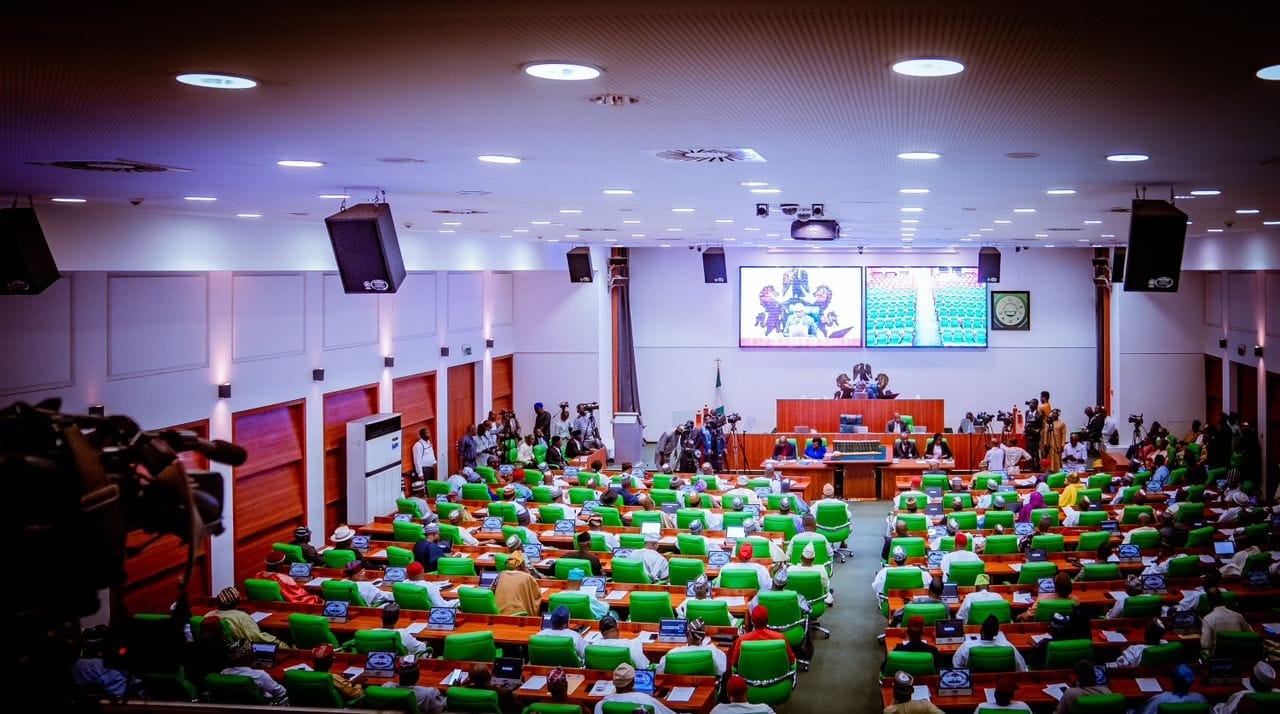
At Tuesday’s plenary, the House of Representatives directed NAFDAC, SON and the Federal Competition and Consumer Protection Commission (FCCPC) to collaborate with the Nigeria Police Force, Nigeria Customs Service, state governments and other relevant agencies to intensify surveillance, inspection, sampling and laboratory testing of food and beverages across the country.
The lawmakers also demanded stronger enforcement against manufacturers, distributors, wholesalers and retailers involved in producing or selling counterfeit, adulterated and substandard consumables.
The resolutions followed the adoption of a motion sponsored by the Chairman of the House Committee on Police Affairs, Makki Yalleman, on the urgent need to curb the rising production, distribution and circulation of fake and adulterated food and drinks in Nigeria.
Yalleman warned that the proliferation of counterfeit food and beverages posed serious threats to public health, with unsuspecting consumers exposed to potentially life-threatening substances.
According to him, some manufacturers and distributors deliberately counterfeit established brands, alter production and expiry dates, use contaminated raw materials and refill previously used containers to deceive consumers. He said such practices could expose Nigerians to acute poisoning, cancer and damage to vital organs, including the kidneys, liver, lungs and heart.
“Some unscrupulous manufacturers and distributors engage in practices such as counterfeiting established brands, altering labels and expiry dates, using inferior or contaminated raw materials, illegally reusing or refilling containers, and producing food and beverages outside approved regulatory standards,” he said.
The lawmaker cited recent enforcement operations as evidence of the scale of the problem, including NAFDAC’s dismantling of suspected illegal alcohol-counterfeiting operations at Zamfara Plaza, Lagos Island, on April 22, 2026, and a raid by the Nigeria Security and Civil Defence Corps (NSCDC) on an alleged illegal and unregistered fruit juice factory in Badagry, Lagos State, on September 22.
He expressed concern that counterfeit and unregistered products, including alcoholic and non-alcoholic drinks, bottled water and other everyday consumables, continued to find their way into markets across the country.
Yalleman also raised the alarm over misleading product labels, particularly the falsification of manufacturing dates, expiry dates, batch numbers, ingredients and manufacturers’ identities.
The House consequently mandated its Committees on Health, Industry, Customs, Standards and Consumer Protection to engage NAFDAC, SON, FCCPC and other relevant stakeholders to determine the scale of the problem and assess the effectiveness of existing enforcement measures.
The committees were also directed to monitor the progress of regulatory agencies in combating counterfeit and substandard products and report back to the House within four weeks for further legislative action.
However, as the House pressed for more aggressive enforcement, a separate legislative proposal in the Senate has generated concerns about the extent of NAFDAC’s regulatory authority and the possibility of duplicating the functions of existing agencies.
The Food, Medical Products and Related Products (Registration, Etc.) Bill, 2026, sponsored by Senator Umar Suleiman, seeks to repeal the Food, Drugs and Related Products Act, 2004, and establish a new regulatory framework for food, medical and related products.
The bill, which passed second reading in the Senate on July 21, 2026, has attracted objections from NECA, SON, the Federal Ministry of Health and Social Welfare and tobacco industry operators over provisions they believe could create conflicting regulatory responsibilities.
In its submission to the Senate Committee on Health, NECA urged lawmakers to exclude tobacco products from the proposed legislation, arguing that they were already regulated under specific laws.
The association identified the National Tobacco Control Act, 2015, the National Tobacco Control Regulations, 2019, and the Standards Organisation of Nigeria Act, 2015, as existing legislation governing aspects of tobacco manufacturing, distribution, standards and compliance.
It warned that including tobacco products in the proposed law could create overlapping responsibilities among NAFDAC, the Federal Ministry of Health and Social Welfare, SON and the Nigeria Customs Service.
Other News
According to NECA, businesses could consequently face multiple product registration requirements, duplicated approvals, conflicting enforcement directives and increased compliance costs.
The employers’ body maintained that tobacco products constituted a distinct regulatory category and should not be treated as food or medicines under the proposed legislation.
It further argued that NAFDAC’s existing statutory mandate did not expressly extend to tobacco products, warning that the proposed amendments could expand the agency’s powers into an area already covered by dedicated legislation.
Beyond tobacco regulation, NECA expressed reservations about provisions dealing with product registration, suspension, seizure, factory operations and enforcement, which it said could conflict with the statutory responsibilities of other regulatory institutions.
The association also questioned the proposed ceiling-list mechanism, arguing that it could give NAFDAC excessive administrative discretion to restrict products without sufficient statutory safeguards and oversight.
It consequently called for clearer boundaries between regulatory agencies, safeguards against unilateral decisions and stronger inter-agency coordination.
The Federal Ministry of Health and Social Welfare similarly expressed concern about the proposed legislation during a public hearing.
Represented by its Director of Hospital Services, Adebisi Adegoke, the ministry warned that some provisions could create duplication and overlapping mandates, potentially undermining the coherence of the government’s regulatory framework.
It recommended deferring further consideration of the bill to allow wider consultations among affected institutions and ensure that the proposed amendments were properly aligned with existing laws and government policy.
SON supported the ministry’s position, warning that certain provisions conflicted with its establishing law and could interfere with its statutory responsibilities.
The standards agency also questioned whether sufficient consultations had taken place before the legislation was introduced, calling for a comprehensive review to eliminate unnecessary complexities and conflicting mandates.
Tobacco industry operators equally expressed reservations about the proposal, arguing that manufacturing, importation, distribution, packaging, health warnings and product standards were already subject to extensive statutory controls.
They warned that parallel approval and enforcement structures could expose legitimate businesses to conflicting directives, additional administrative costs and uncertainty over which regulatory agency had final authority.
The operators maintained that their objections were not to public-health regulation itself but to the possibility of multiplying regulatory requirements without clearly demonstrated benefits.
They also argued that unpredictable compliance obligations could discourage investment, disrupt business operations and divert regulatory attention from illicit trade and non-compliant operators.
NECA insisted that effective regulation required clearly defined institutional responsibilities, predictable compliance requirements, proportionate enforcement and cooperation among relevant government agencies.
The association expressed its willingness to continue engaging the National Assembly and other stakeholders to ensure that the proposed legislation protected public health without undermining regulatory certainty and business confidence.
Although the House resolution and the Senate bill are separate legislative processes, both developments underscore the pressure on lawmakers and regulatory authorities to strengthen consumer protection while resolving disputes over the powers and responsibilities of agencies charged with enforcing product standards.
The House is seeking immediate action against counterfeit and adulterated products, while the concerns raised before the Senate centre on whether expanding regulatory authority, particularly over tobacco products, would improve enforcement or introduce another layer of bureaucracy.
The outcome of the House committees’ investigation and the Senate’s consideration of the proposed legislation will help determine how the National Assembly addresses those concerns.