Follow Us on Google

From Idu Jude Abuja
The Federal Airport Authority of Nigeria FAAN in collaboration with Zuid Energies Limited, a new-energy mobility and infrastructure company, is deploying electric taxi services across major international airports to boost transport efficiency and improve Nigeria’s zero emission efforts.
The CEO of Zuid Energies Limited, Ogochukwu Abiakam, who made the disclosure, said the collaboration is in the area of deployment of Electric Vehicles, ride-hailing and executive airport taxis, along with the development of electric vehicle charging infrastructure.
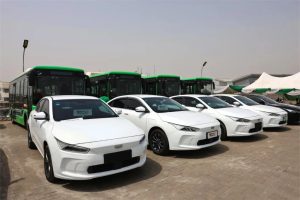
“The pilot phase is starting with Abuja and Lagos, after which the model will be expanded to other FAAN airports nationwide. Our long-term plan is to operate across all FAAN-owned airports, with Abuja and Lagos serving as pilot locations.
“Deployment numbers will scale in phases based on passenger demand, infrastructure readiness and operational performance from the pilot phase,” he explained
Speaking on the modality of operations, Abiakam noted that Zuid Energies operates a digital-first booking system, using a WhatsApp booking bot and dispatch platform.
“Passengers request rides via WhatsApp and vehicles are dispatched either from the airport staging area or from city charging hubs. Operations are done in partnership with FAAN and aligned with airport transport regulations.
Other News
“Our goal is accessibility. EV technology helps stabilise the long-term because operating costs are lower than those of fuel vehicles and we intend to work collaboratively with existing airport taxi operators.
“In addition, our goal is to create a transition model that allows them to participate in the EV ecosystem through partnerships, fleet conversion opportunities and driver integration programmes,” he further explained
On sustainability measures, the MD said company was developing a full ecosystem approach as there would be dedicated EV charging stations in Lagos and Abuja, and planned charging infrastructure inside airports, as well as preventive maintenance partnerships with certified EV technician future plans. “There are plans for expansion to more Nigerian airports and into intercity EV transport corridors and development of more public charging infrastructure.
“Also, fleet financing programmes for partners and potential expansion into West African aviation mobility ecosystems.
“Electric Vehicles represent the future of transportation globally, and Nigeria is positioned to benefit from early adoption.
“EV adoption helps by reducing national demand for petrol and diesel and lowering government exposure to fuel price volatility. It encourages a gradual shift to domestically generated electricity, reducing pressure on foreign exchange used for fuel imports,” he added.
On how EVs can contribute to Nigeria’s economic growth, the CEO further emphasised that EV adoption could drive economic growth by creating new industries (charging infrastructure, maintenance, assembly) and also creating skilled technical jobs.
Also, he said it would help reduce fuel import costs improving forex stability and encouraging local manufacturing and technology transfer